"Shaheds Against Themselves: The US Teaches LUCAS Kamikaze Drone Swarms to Think Without an Operator"
# Pentagon Signs Contract with Shield AI to Integrate AI System into Drone Fleet The Pentagon has signed a contract with Shield AI to integrate the Hivemind artificial intelligence system into LUCAS drones — a reverse-engineered copy of the Iranian Shahed-136 valued at $35,000 per unit. The system will allow a single operator to control a swarm that operates autonomously even in radio jamming conditions.

By Tetiana Suchkova-Ladik
May 21, 2026 · 2 min read
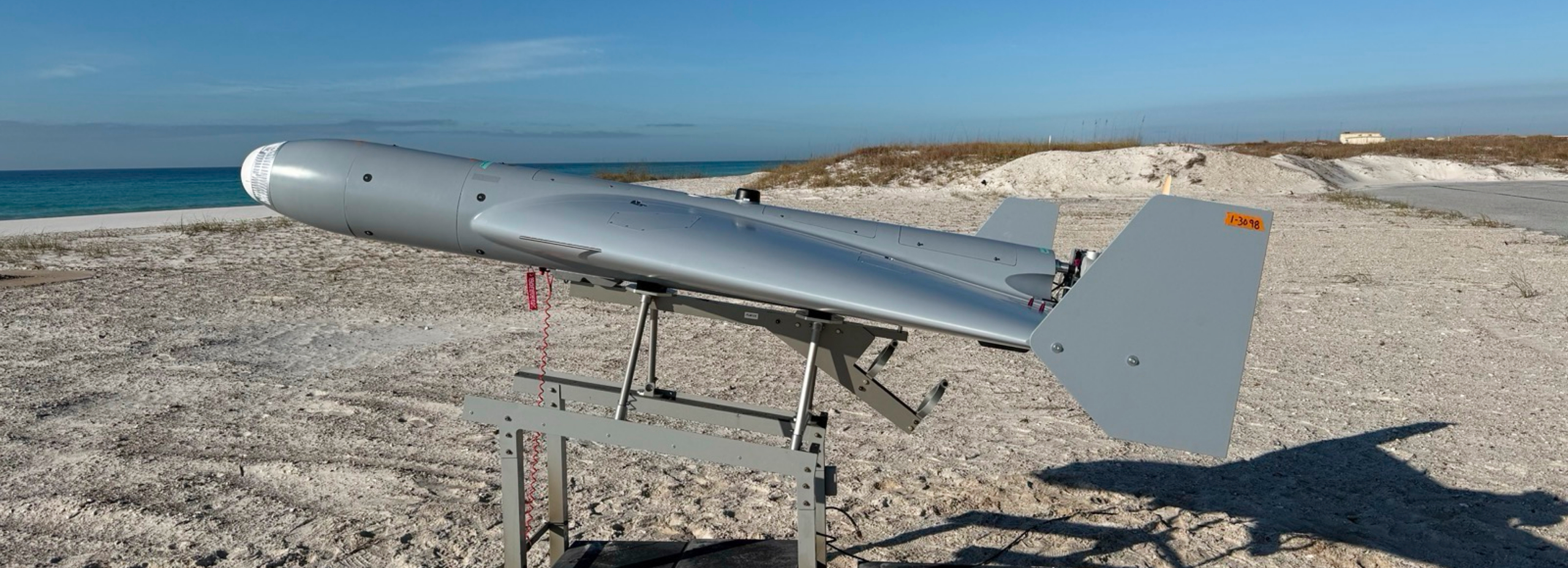
The Pentagon selected Shield AI to integrate its Hivemind autonomous control system into LUCAS (Low-Cost Uncrewed Combat Attack System) drones—the American version of the Iranian Shahed-136, which has already seen combat use. The company announced the contract on May 20, 2026.
$35,000 vs. $2.5 Million
LUCAS is a drone roughly three meters long equipped with an explosive warhead that detonates on impact. Its price is approximately $35,000—70 times cheaper than a Tomahawk cruise missile. The platform was developed by Arizona-based contractor SpektreWorks based on their own training drone FLM-136, a direct Shahed analog. Flight range extends to 800 km with autonomous navigation; analysts suggest the use of Starshield, the military version of Starlink.
CENTCOM deployed the first LUCAS strike unit—Task Force Scorpion Strike—in December 2025. The first confirmed combat use occurred in February 2026 during operations against Iranian targets. CENTCOM Commander Admiral Cooper called the weapon "indispensable," but refrained from providing details.
What Hivemind Changes
Previously, LUCAS could autonomously fly a predetermined route. Hivemind represents another level: the system dynamically rebuilds the route, responds to obstacles, and coordinates multiple drones in real time.
"Hivemind will enable drones to sense, decide, and act independently, without human intervention"—while a single operator commands the swarm as a unified system.
Shield AI, press release of May 20, 2026
According to DefenseScoop, the key advantage is the swarm's ability to function in electronic warfare conditions where standard communications are jammed. Hivemind does not require continuous operator contact to execute the mission.
Context: Not the First and Not the Only
LUCAS is not the first platform to use Hivemind. According to Breaking Defense, the system is already integrated or under testing on:
- Anduril YFQ-44A—as part of the U.S. Air Force's Collaborative Combat Aircraft (CCA) program
- Navy training aircraft BQM-177
- Airbus UH-72B Lakota helicopter
- Destinus Hornet platform
The contract aligns with Defense Secretary Pete Hegseth's broader Drone Dominance initiative—a push for mass drone production and autonomization. In the 2027 budget, the Defense Autonomous Warfare Group received significantly increased funding.
Shield AI plans to demonstrate swarm capabilities in fall 2026—deadlines are confirmed, but the specific location and scenario remain undisclosed.
A fundamental question remains unresolved: Hivemind allows the drone to "decide and act without human intervention"—but does the decision about the target remain with the operator, or with the algorithm if communications are severed in the target area?