Another model in the Xiaomi 17 lineup — what it will mean for the market and consumers
Insider Digital Chat Station and Gizmochina report that Xiaomi is testing an additional model in the 17-series family. Why this matters now — a brief look at the technical details, release timeline, and market impact, including for Ukrainian consumers.

By Tetiana Suchkova-Ladik
December 30, 2025 · 2 min read
What happened
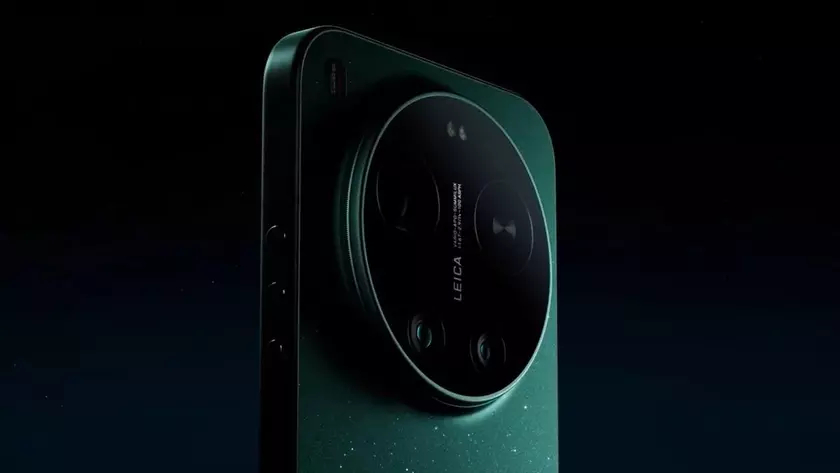
Chinese insider Digital Chat Station on Weibo reported that Xiaomi is preparing another model in the Xiaomi 17 series. The story was picked up by Gizmochina, which adds weight to the report: the device is reportedly already undergoing testing and would be an addition to the lineup after the 17, 17 Pro, 17 Pro Max and 17 Ultra.
"Xiaomi is working on a new model in the 17 series; the device is already in tests"
— Digital Chat Station, Chinese insider
Technical expectations
According to available information, the newcomer will get a flat display of about 6.8–6.9 inches with thin symmetrical bezels. Like the higher-end models, it is aimed at flagship performance — the Snapdragon 8 Elite Gen 5 platform is mentioned. The insider also points to the presence of a periscope telephoto camera, bringing its feature set closer to the 17 Pro Max.
Global context and timing
So far the Xiaomi 17 Ultra has already received certifications in India, Thailand and Singapore, while the base Xiaomi 17 is expected on the global market by March 2026. Insiders say the unveiling of the new intermediate model could take place in the first half of 2026 — which aligns with manufacturers' typical update cycles.
Why it matters
The decision to add another model to the lineup is a typical market tactic: more options help fill the niche between Pro and Ultra, preserve the flagship image and broaden the buyer audience. For consumers this means a wider choice of features and price points, but it may also affect availability and pricing policies in regions that import the devices.
What this means for Ukraine
For Ukrainian consumers and the tech community two points are important: first — the timing of the global release will determine when these models appear in official distribution; second — pricing will depend on logistics, customs barriers and exchange rate fluctuations. Xiaomi also recently introduced the Xiaomi Watch 5 with eSIM and up to 6 days of battery life, and the company has explained possible price increases for the new smartphones — factors Ukrainian buyers should take into account.
Conclusion
An additional model in the 17 lineup is not just a number in the product list. It is a signal about Xiaomi's strategy: more flexible offers for different markets and a desire to maintain its position in the premium segment. The more important question for us is how quickly and at what price these phones will reach Ukraine. Therefore the company's next steps in network rollout and pricing will be an important indicator for buyers and the market as a whole.