Tuesday, May 26, 2026
Today's Edition

EveryNews

Stories that matter, signal over noise

Technologies

Sweden and Britain tested defensive systems for Gripen fighters

In November, at a British airbase, new systems to protect aircraft from missiles and hostile radars were tested during the Viking Flame exercises. Two Saab JAS 39 Gripen fighters were used in the trials; radar suppression and air-defence attacks were simulated.

Oleg Bazylewicz

By Oleg Bazylewicz

December 2, 2025 · 1 min read
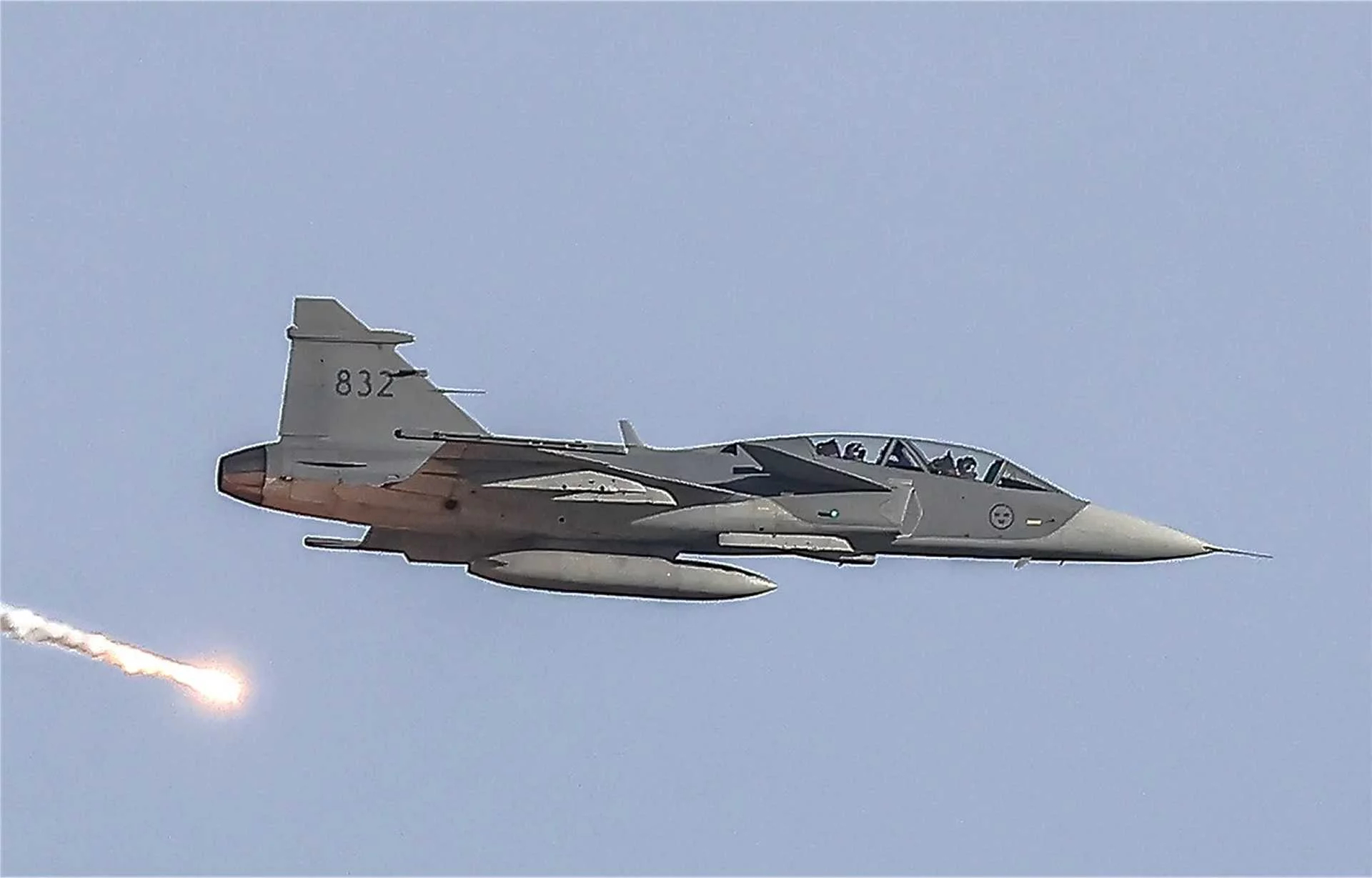
Sweden and Britain tested defensive systems for Gripen fighters

In November, at one of the British air bases, Sweden and the United Kingdom conducted the Viking Flame exercise, during which they tested new means of protecting aircraft from modern threats — notably missiles and hostile radars.

Testing Gripen protection systems

Two Swedish fighters, the Saab JAS 39 Gripen, took part in the event, conducting flights with upgraded electronic protection systems and countermeasures. In six test sorties they simulated various threats, including radar jamming and attacks by surface-to-air missile systems.

The Easyrider project and NATO modernization

The tests were held under the British Easyrider project, which enables rapid testing and deployment of new defense technologies without lengthy bureaucratic procedures. The data obtained are intended to be used to modernize aircraft in NATO countries.

In addition, there were reports that a major Swedish defense company intends to set up production of air defense systems in Ukraine. For 2026, Ukraine's plans provide a record UAH 955 billion for the procurement and production of armaments.


Related

Latest

Business

EU Against Google: Why the Latest Fine Could Change More Than Previous Ones

# European Regulators Target Google Again — This Time Over Digital Markets Act Violations. What's Behind the Accusations and Why It Matters Beyond the Corporation European regulators have renewed their scrutiny of Google, this time focusing on alleged violations of the Digital Markets Act. The charges underscore Brussels' increasingly aggressive stance on big tech monopolies and what officials say are anticompetitive practices. The accusations center on how Google leverages its dominance across multiple digital services — from search to advertising to mobile platforms — to disadvantage competitors. Regulators claim the company is using its market power in ways that stifle innovation and limit consumer choice. The case carries significance far beyond Google itself. It signals how the EU is attempting to enforce its landmark Digital Markets Act, legislation designed to curb the gatekeeping power of tech giants. A potential penalty could set precedent for how other large technology companies face similar scrutiny. For consumers and smaller tech firms, the outcome could reshape the digital landscape by creating more room for competition. For Google, fines and operational restrictions could fundamentally alter its business model in Europe, the world's most stringent regulatory market. The case also reflects a broader geopolitical divide, with the EU pursuing a regulatory approach that contrasts sharply with the lighter-touch oversight favored in the United States.

May 26, 2026