Sweden orders Trackfire ARES for $160 million — fleet modernization and bolstering counter-drone defenses
Saab’s contract for Trackfire ARES remote weapon stations (30-mm M230LF, 2026–2028) simultaneously replaces armament delivered to Ukraine and boosts the ability of Swedish patrol boats and armored vehicles to defend against drones. We explain why this matters now.

By Tetiana Suchkova-Ladik
January 9, 2026 · 2 min read
Sweden updates its counter-drone defenses
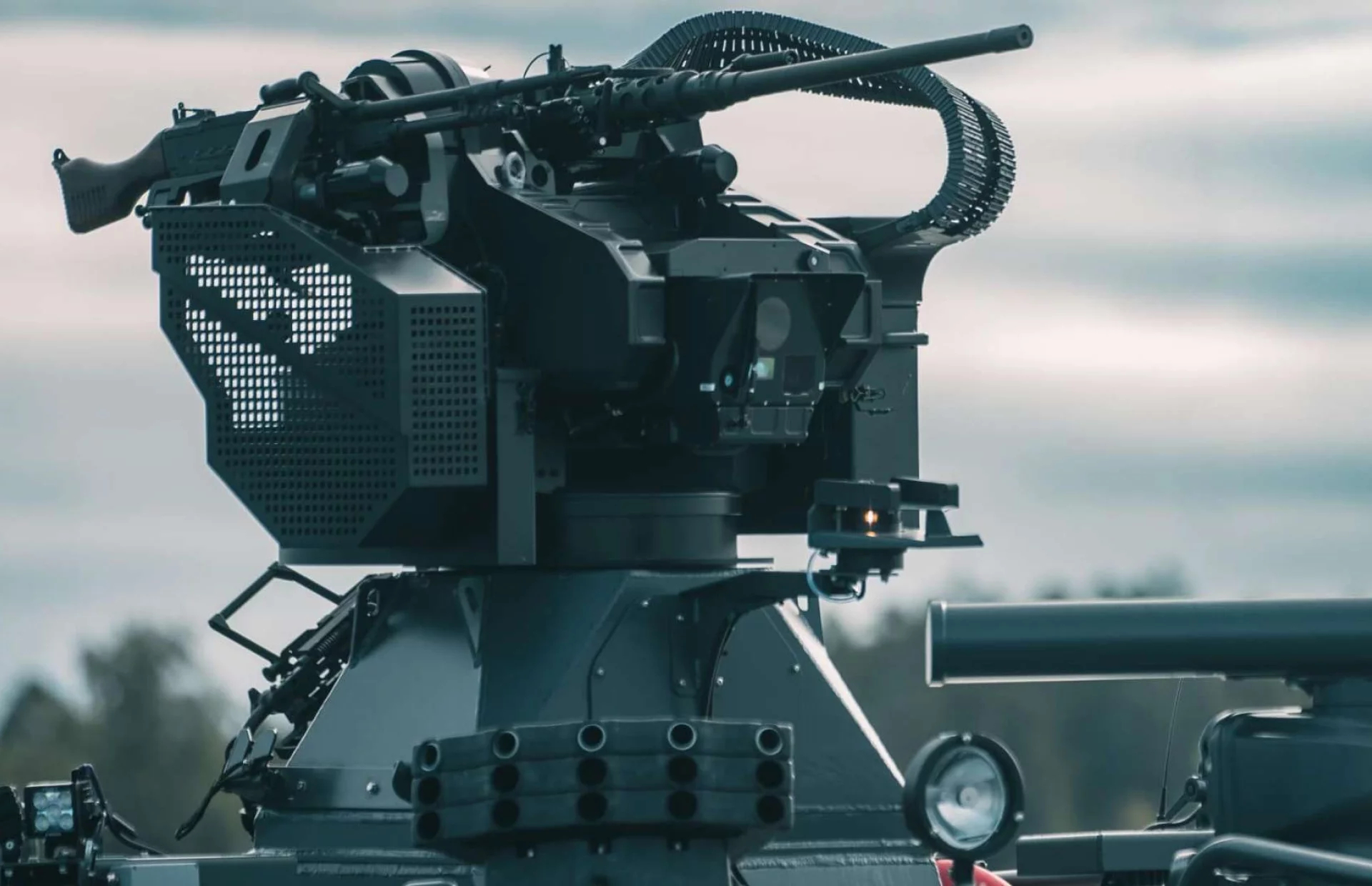
Sweden has signed a contract with Saab worth approximately $160 million to deliver remotely controlled combat modules Trackfire ARES in a new configuration with a 30‑mm M230LF cannon. Deliveries are scheduled for the period 2026–2028, the Swedish Defence Materiel Administration (FMV) reports. The deal combines restoring combat capability and adapting to new threats — primarily unmanned systems.
What Trackfire ARES can do
The module is equipped with a thermal imager, daytime cameras, a laser rangefinder and a stabilization system that allows for accurate fire even on the move. The use of ammunition with remote detonation makes fighting drones effective at ranges up to 2 km. Trackfire can also be integrated with radars and electronic warfare systems — meaning the system operates as part of a comprehensive counter-drone network.
Where they will be installed and why
The modules are planned to be installed on combat boats Stridsbåt 90 HSM and on armored vehicles TGB. FMV explains the purchase as a replacement for weapons transferred to Ukraine, while simultaneously expanding protection for various types of platforms — from coastal boats to land armor.
"This is not just a fleet modernization — it is a pragmatic response to the growing threat of drones and a way to restore combat capability after the transfer of our systems to partners."
— Anna Svensson, FMV representative
Wider context
At the same time, Saab is expanding its export lineup: the company is to deliver two GlobalEye aircraft to France, and Swedish fighters Gripen will receive Taurus missiles for deep strikes. For Sweden, this signals a strengthening defense industry and a desire to maintain technological independence in critical defense segments.
What this means for Ukraine and the region
First, replacing the equipment sent to Kyiv restores Sweden's internal combat capability. Second, raising counter-drone protection standards in European fleets and units reduces risks to partners' logistics and operations. Analysts note that such purchases have a delayed but noticeable effect on the security balance in the region.
Summary
The contract for Trackfire ARES is not a slogan but a practical step: an investment in sensors, weapons and integration that makes platforms safer today. The next question is whether technological updates will be able to secure an advantage in counter-drone warfare at a time when drones are increasingly changing the rules of war.