# Wider—But Without the Telephoto: What Samsung Deliberately Removed From Fold Wide
Galaxy Z Fold 8 Wide will feature the widest foldable screen among folding phones and the thinnest body — but without a telephoto camera, which the standard Fold 8 has. This is not a random omission, but a pricing strategy.

By Tetiana Suchkova-Ladik
May 18, 2026 · 2 min read
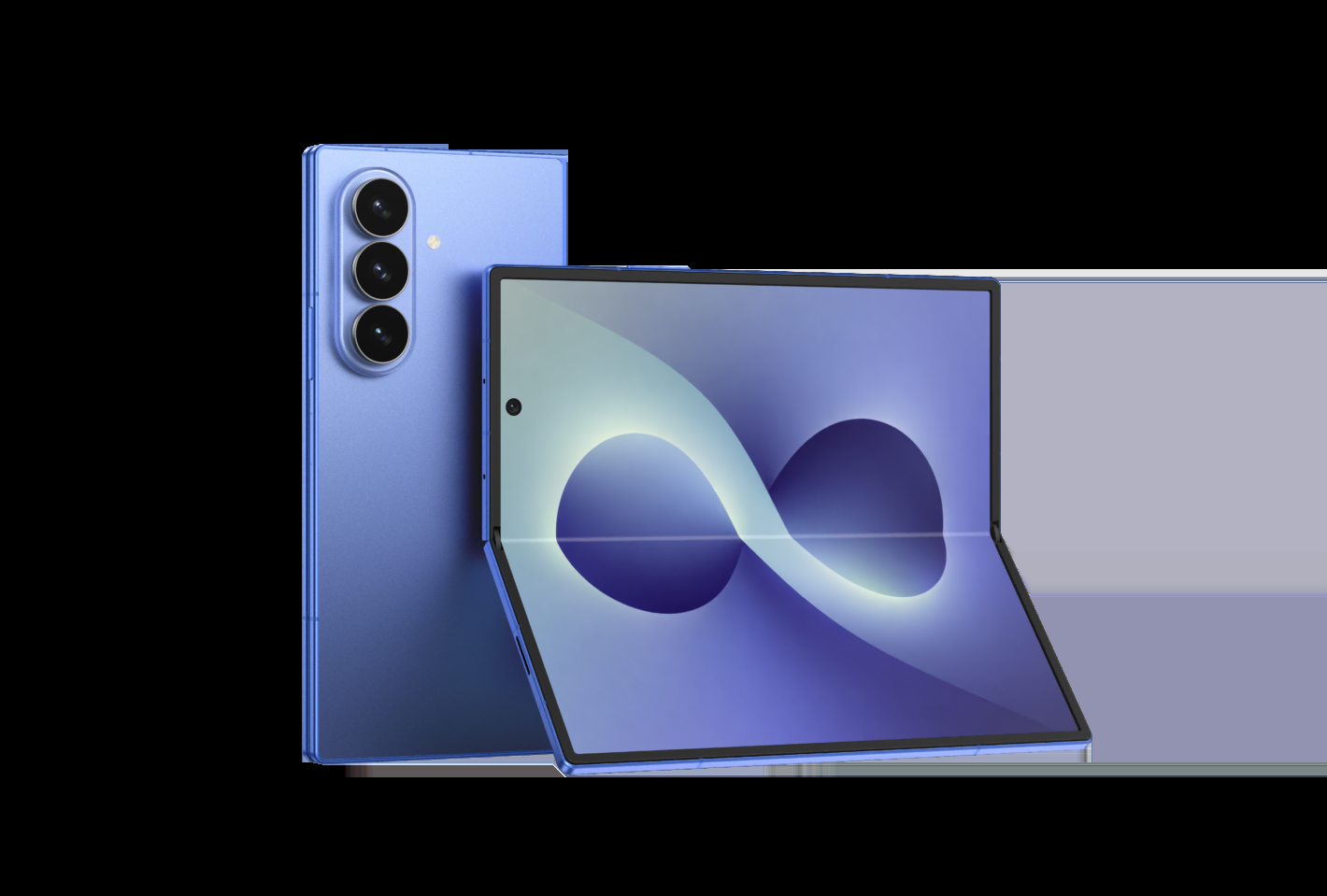
Samsung is preparing two foldable flagship phones for presentation on July 22: the standard Galaxy Z Fold 8 and a fundamentally new format — Galaxy Z Fold 8 Wide. The devices differ not only in size, but also in the logic of compromises — and this is where things get interesting.
Two devices, two philosophies
Galaxy Z Fold 8 — an evolution: according to leaks from SamMobile and PhoneArena, it will receive a Snapdragon 8 Elite Gen 5 chip, up to 16GB RAM, a triple camera with a 200MP main sensor and a battery of 5000 mAh (versus 4400 mAh on Fold 7). When unfolded, the thickness is approximately 4.1 mm, weight — about 210 g.
Fold Wide — a different approach. According to GalaxyClub and SamMobile, the internal screen has 4:3 proportions (like iPad mini), the body when unfolded — 123.9 × 161.4 mm with a thickness of 4.9 mm. This is Samsung's widest foldable smartphone. Cover — 5.4 inches, internal screen — 7.6 inches.
The main compromise Samsung is not hiding
Fold Wide will receive only two 50MP cameras — the main one (f/1.8) and ultra-wide-angle (f/1.9). The telephoto lens, which is in Fold 7 and expected in Fold 8, is absent.
«Dual-camera setup is the defining trade-off of this model and pricing is the variable most likely to change how that trade-off reads»
Gadget Hacks / Samsung
Both sensors support autofocus and video recording in 8K at 30 fps. But zoom is only digital crop from 50MP, without optics. For comparison: Fold 7 has a 200MP main sensor — at least there the crop has material to work with.
Why Samsung did this
According to analysis by Geeky Gadgets and Tech Advisor, the absence of telephoto is a conscious pricing strategy: Fold Wide should cost less to attract buyers who have long considered foldable smartphones too expensive. The problem is that if the price difference between Fold 8 and Fold Wide turns out to be insignificant — the logic of choice will break in favor of the higher model.
It's worth noting separately three independent signals that coincided within one month: prototype photos from tipster Sonny Dickson, measurements from Ice Universe, and code inside the One UI 9 firmware — where Fold Wide appears under the codename H8, model SM-F971U. Firmware evidence carries more weight than rumors: it means engineers have already written specific functions for this device, including "Foreign Material Detection" — a warning if the screen doesn't fold completely due to debris on the hinge.
What remains open
- Fold Wide's price has not yet been confirmed by any reliable source — and it's the price that will determine whether the camera compromise is justified
- The standard Fold 8 will also receive an updated telephoto, but specific numbers in leaks are not yet available
- Presentation in London on July 22 — an atypical location for Samsung Unpacked; availability is expected in August
If Samsung sets the price difference between Fold 8 and Fold Wide at less than $200 — the lack of telephoto will turn from a marketing compromise into a marketing mistake. This very figure on July 22 will say more than any specifications from leaks.