Sony Sold Flagship for $1300 and Pitched Marketing Against Its Own Hardware
# Sony's Xperia 1 VIII Has Best Telephoto Sensor in Lineup — But Social Media Will Remember Something Else: Official Post With "Enhanced" AI Photos Turned Real Camera Update Into a Meme. It Turns Out the Problem Isn't the Feature, But How Sony Decided to Sell It.

By Tetiana Suchkova-Ladik
May 15, 2026 · 2 min read
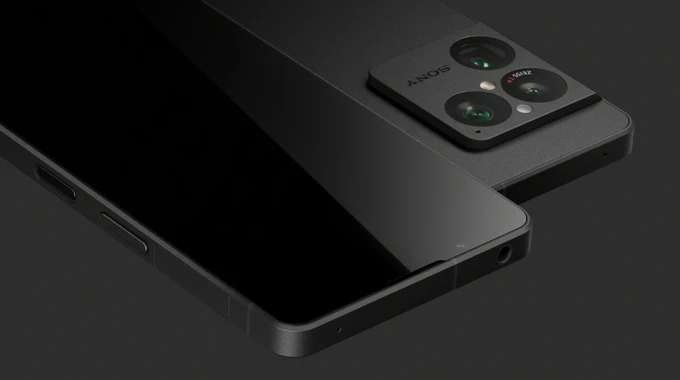
Sony Xperia 1 VIII launched with a technically strong camera: a new 48-megapixel telephoto sensor four times larger than its predecessor, and all three lenses promise low-light quality on par with a full-frame sensor. But that's not what the internet is talking about.
One post — and the flagship became a meme
The official Sony Xperia account on X published a "before and after" comparison for the new AI Camera Assistant feature. In the "improved" shots — blown-out sky, washed-out colors, lost details. Users reacted instantly: parody "before/after" posts started appearing, where authors deliberately overexposed photos and "thanked" Sony for teaching them to "make photos brighter."
Then Carl Pei, CEO of Nothing, chimed in by reposting the original with a question: "Is this engagement farming?" — hinting that the scandal-baiting content might be intentional for reach. The irony is that Pei might be right: the post wasn't deleted, and it continues to generate traffic around the brand.
What AI Camera Assistant actually does
Sony responded to the wave of criticism with an explanation that essentially reframed the entire discussion. AI Camera Assistant is not an automatic filter that rewrites a finished photo. It's a hint layer in the viewfinder before shooting: the system analyzes the scene, recognizes objects and weather, and suggests settings options — lens choice, bokeh, color processing. The user chooses the "creative direction" themselves, and the feature can be turned off completely.
"AI Camera Assistant allows users to choose different creative directions" — and none of them are mandatory.
Sony, official response to criticism
So what appeared in the promotional post as an "improvement" is one of the suggested styles, not the default result. But the marketing presented it differently: the press release headline sounded like "AI for better photos every time" — without any clarification about the selective nature.
Where the real problem lies
- The hardware is strong, the narrative failed. Publications that tested the device note: the most interesting thing about the Xperia 1 VIII is precisely the updated telephoto, not the AI assistant. Sony buried its own trump card.
- "Enabled by default" is already a position. AI Camera Assistant is turned on in the viewfinder automatically. Even if the final decision rests with the user, the AI shapes the first impression.
- The price question — $1300+. At this level, buyers don't forgive the feeling that the brand doesn't understand what it's selling itself.
If Sony doesn't overhaul its communication strategy before the wide market launch — the question won't be whether the Xperia 1 VIII is technically worth the price, but whether people will want to check after the first impression from the official account.
```