Sony gives 51% of its Bravia unit to TCL — what it means for the TV market
A Japanese brand is moving to a joint-venture model with a Chinese manufacturer: it lowers production costs but raises questions about control over technology and consumer prices.

By Tetiana Suchkova-Ladik
January 20, 2026 · 2 min read
What happened
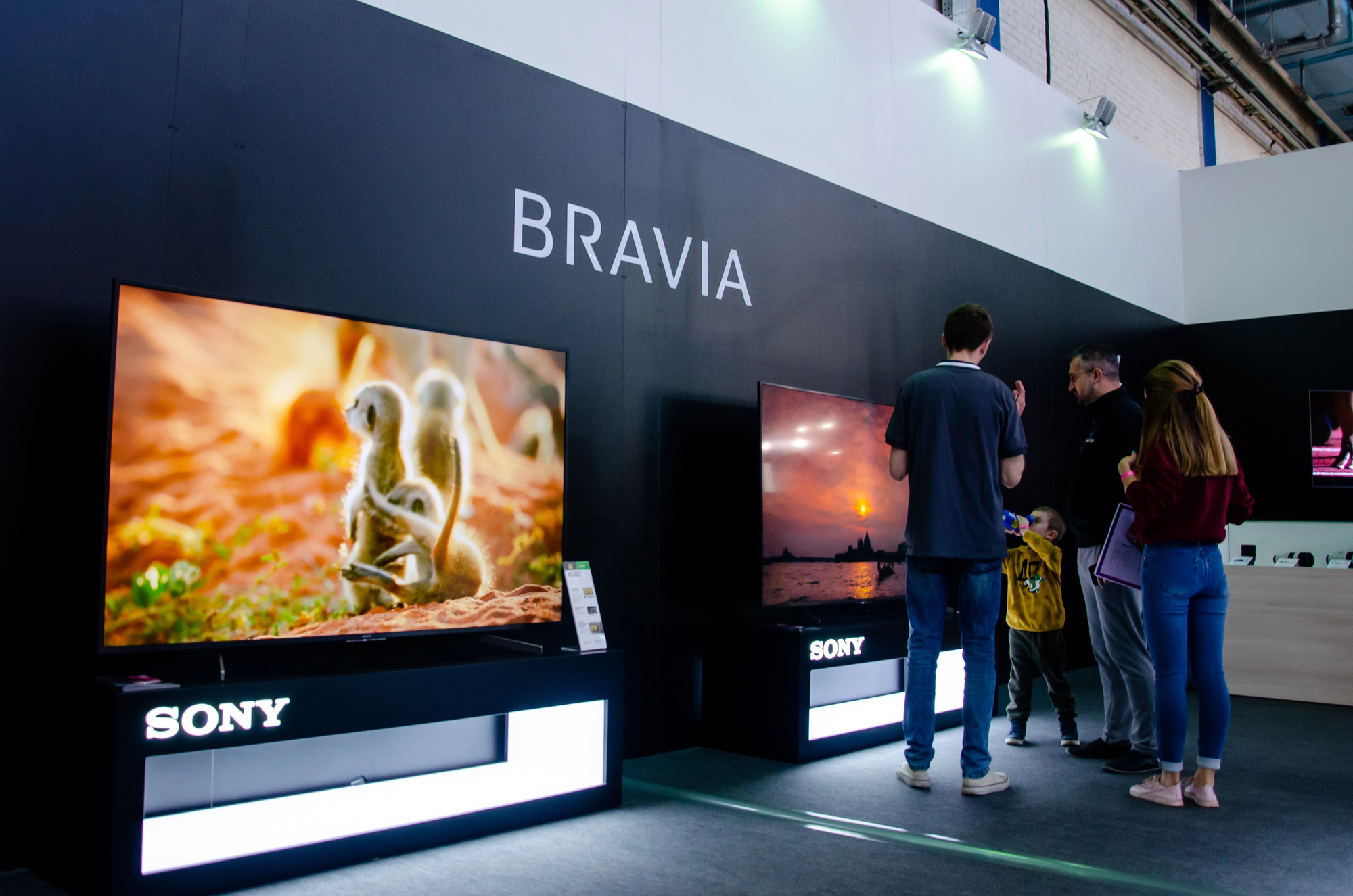
Sony announced a deal: 51% of the shares of its television division responsible for the Bravia brand will be transferred to TCL. Sony will retain 49% and, together with TCL, will form a joint venture expected to begin operations in April 2027 after obtaining the necessary approvals.
Production of televisions under the Sony and Bravia brands will continue, but display technologies and the manufacturing base will rely on TCL's solutions. Sony says it will focus on imaging, sound and logistics, while TCL will provide mass production and global coverage.
This is not a surprise from a technological point of view: Sony has long stopped manufacturing its own LCD or OLED panels and had previously exited the PC and tablet markets; the smartphone segment remains small in volume for the company.
Why it matters
First, it is a step toward specialization: Sony minimizes capital investment in heavy manufacturing and focuses on areas where it has a competitive edge — software solutions, image processing and audio. Second, it reinforces the trend toward consolidation of supply chains — large players find it easier to cut costs and scale.
Analysts (Nikkei, Financial Times and electronics market observers) estimate the deal could lead to greater availability of televisions on the global market thanks to economies of scale. But there are risks: increasing dependence on the Chinese manufacturing base raises questions about quality control, supply chains and geopolitical implications for premium brands.
"We will focus on imaging, sound and logistics, and our partner will provide manufacturing capabilities and global reach"
— Sony press service
What it means for consumers and markets, including Ukraine
In short: expect more competitive offerings in the mid-range and mass segments, but watch service and software updates on premium models. For the Ukrainian market this could mean a wider selection and potential price reductions — but also a greater role for global supply chains that have been affected by the war and logistical challenges.
Key points to watch in the coming years: obtaining regulatory approvals by April 2027, the terms of warranty and service in different regions, and the positioning of Bravia products as premium when production is based on externally sourced displays.
Conclusion
This is a move toward dividing roles: Sony as a technology and brand operator, TCL as a manufacturing platform with global reach. In the short term consumers may get more options at competitive prices; in the medium term the more important question is how well trust in Bravia as a premium label will hold up when logistics and manufacturing shift under the control of another player. Whether the brand will prove stronger than the manufacturing changes is a question for the years ahead.