U.S. Uses PrSM in Strikes on Iran for First Time — What It Means for Regional Security
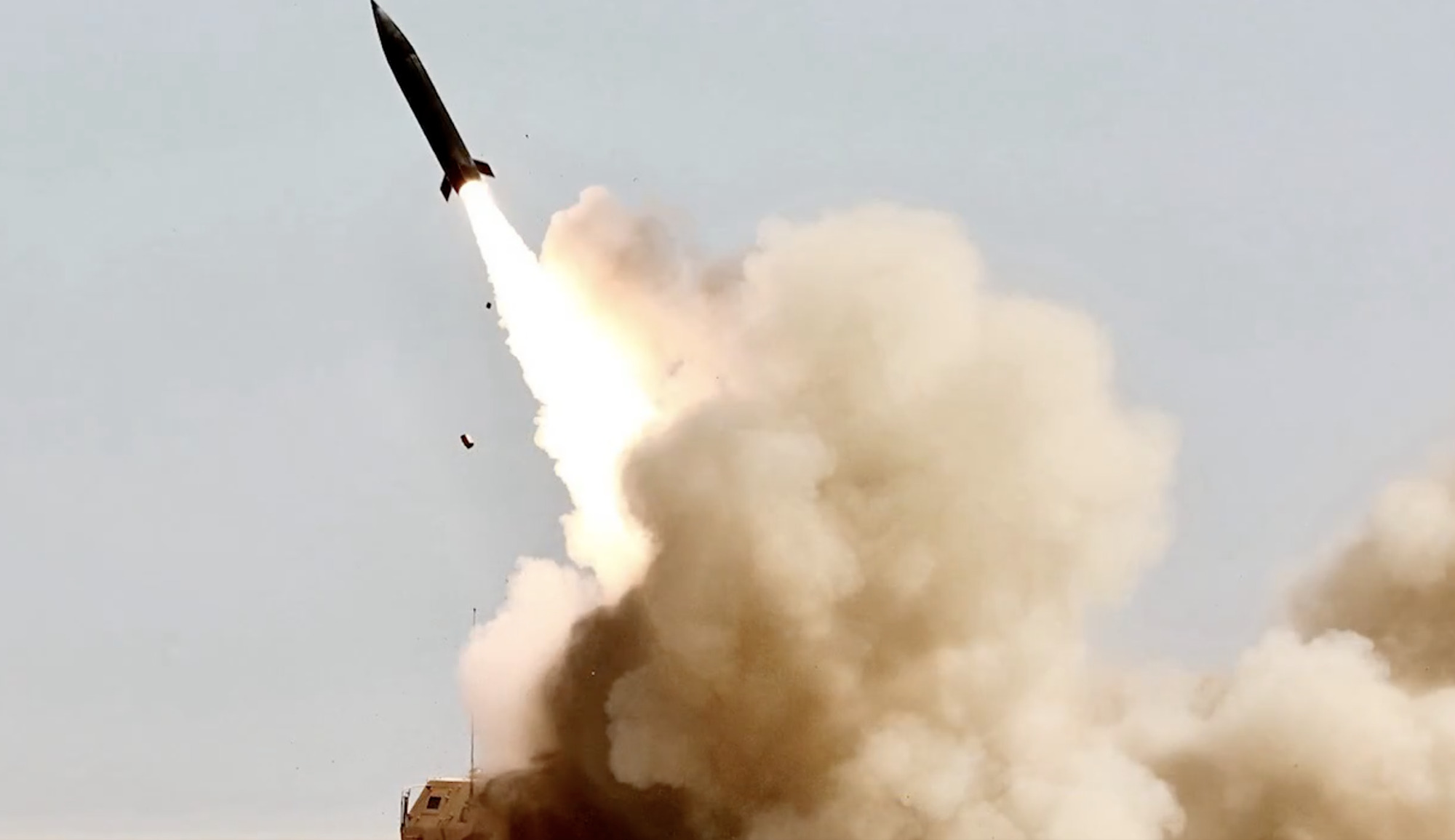
CENTCOM confirmed the first combat launch of a Precision Strike Missile (PrSM) during Operation "Epic Fury". This is not just a technical update — it signals a shift in tactics for employing land-based long-range systems and introduces a new factor in the balance of power.

By Tetiana Suchkova-Ladik
March 2, 2026 · 2 min read
What happened
U.S. Central Command (CENTCOM) on X confirmed the first combat use of the Precision Strike Missile (PrSM) during Operation Epic Fury. In the released footage, the launcher configuration matches that of PrSM; the missile type was not officially named at first.
PrSM is a next-generation ground-launched long-range missile replacing ATACMS. It can strike targets at distances beyond 400 km (tests recorded about 500 km). Unlike its predecessor, a single HIMARS launcher can carry two PrSM missiles in one container, which effectively doubles the loadout and increases the systems' rate of fire.
"First 24 hours of Operation Epic Fury: \"The President ordered bold action, and our brave Soldiers, Sailors, Airmen, Marines, Guardians, and Coast Guardsmen are answering the call,\""
— Adm. Brad Cooper, CENTCOM Commander
According to CENTCOM, more than 1,000 targets were struck during the first 24 hours of the operation — command facilities, air defense systems, and missile infrastructure. In diplomatic terms, partner reactions are already known: the Spanish government prohibited the use of its bases for strikes on Iran, while British authorities, according to the leader of the Labour Party, allowed access to bases for coalition actions.
Why it matters
First, this marks a shift from demonstrating capability to its actual use. Technically, PrSM allows faster and more precise strikes from ground launchers at long ranges, increasing the combat tempo of systems like HIMARS/MLRS.
Second, this use changes strike-planning logic: a doubled loadout on a launcher means a different mission economy, a different approach to reconnaissance and target engagement. It also raises requirements for protecting supply lines and bases across the region.
Third, the potential political consequences: employing new long-range weapons raises the stakes of escalation while simultaneously demonstrating a willingness to employ advanced capabilities. Allies' reactions — from granting base access to imposing bans — emphasize that the technology quickly becomes a diplomatic lever.
What it means for Ukraine
For Ukraine, the key is not the strike itself but the signal that the U.S. is prepared to use new capabilities in real conflicts. This affects two things: first, allied policy on transferring and deploying long-range weapons; second, the pace of modernization of tactical and logistical procedures in our Armed Forces — how to respond to threats and how to use allies' capabilities in coordinated actions.
Experts note that mass combat use of PrSM could accelerate supply and training programs, but it also creates additional risks to civilian infrastructure and requires strict rules to avoid unjustified escalation.
Assessment and prospects
The first combat launch of PrSM is not a one-off tactical operation but a marker of the growing role of ground-based long-range systems in modern conflicts. The next steps depend on the combination of military results and partners' diplomatic reactions: whether this will spur increased coordination and deliveries, or lead to a new realignment of restrictions and base agreements.
It is now important to watch two indicators: how long air forces maintain the tempo of employing the new systems, and how the network of allied bases will react. For Ukraine the practical question is whether this experience will translate into real support and training that will strengthen our ability to defend territory and critical infrastructure.