TAF Industries signed a memorandum with Finnish Summa Defence on drone production — but the joint venture has not yet been established
The April 24 agreement cements intentions rather than obligations: specific volumes, timelines, and investments remain subject to negotiation. This is already the second Summa Defence initiative in Ukrainian drone production — the first partnership package emerged back in November 2024.

By Tetiana Suchkova-Ladik
April 27, 2026 · 2 min read
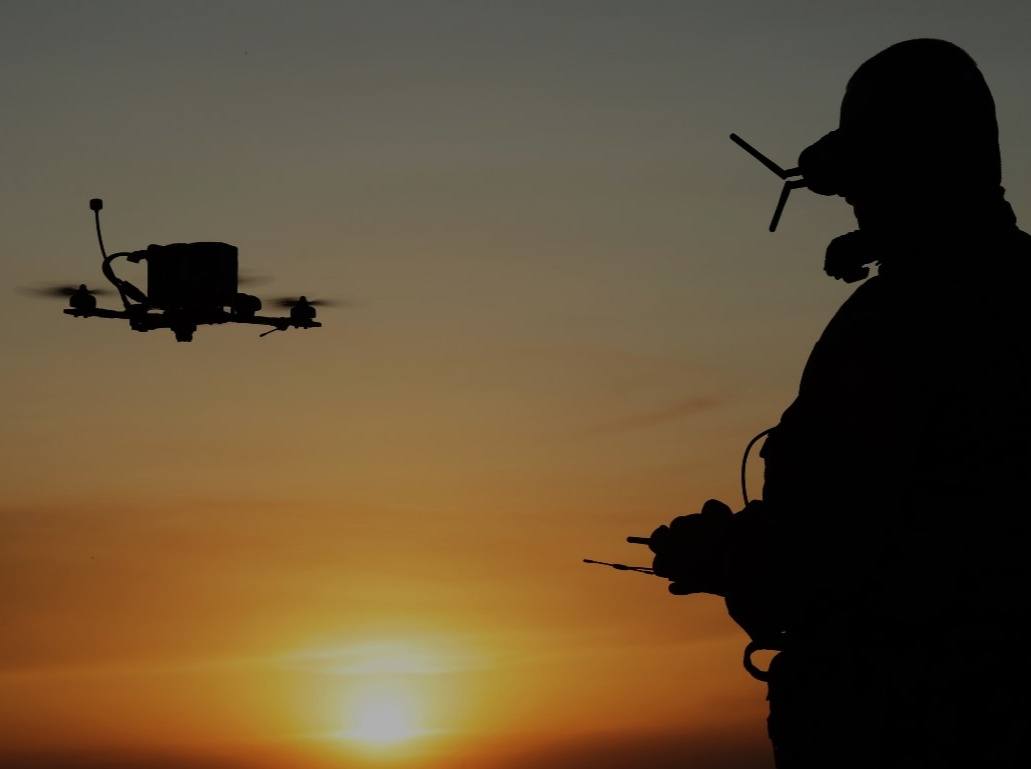
TAF Industries — a company that produces up to 80,000 FPV drones per month and reports 80% revenue growth for 2025 — signed a memorandum of understanding with Finnish Summa Defence on April 24. The document was announced as part of the Build with Ukraine initiative, which provides for deploying Ukrainian defense technology production in safe partner countries.
What was signed — and what the document lacks
The official press release from Summa Defence, published on April 27 on the Finnish Nasdaq First North exchange, describes the agreement clearly: the memorandum establishes a framework for assessing the possible establishment of production facilities in Finland. Any joint venture, shares, volumes, and timelines require "further negotiations and necessary approvals" — a quote from the company's official statement.
The document contains no: investment amount, planned production volumes, launch timelines, or product list. For comparison, Summa Defence's previous agreement with four other Ukrainian companies (Kort, Elf Systems, Skyassist, MPS Development), signed in November 2024, contained a more concrete roadmap: the first batch of drones was already delivered to Ukraine in December 2025.
The logic for TAF Industries
TAF Industries (TAF Drones until August 2025) operates on a vertically integrated model: its own R&D center, 20 production facilities, over 50 engineers, and a lineup of 30+ products — from FPV Last Mile and the "Babka" reconnaissance drone with a range of 75 km to Kvazar electronic warfare systems.
"Integration into the European defense ecosystem and providing additional capabilities to support the Armed Forces of Ukraine are key goals for TAF Industries. Combining our operational experience and combat technology with Summa Defence's ability to scale industrially will allow us to build a partnership that will strengthen the military potential of both countries."
— Volodymyr Zinovskyi, CEO of TAF Industries
The logic for the Finnish side is different: Summa Defence positions itself as a consolidator of defense SMEs in Northern Europe and wants to participate in major international projects in NATO countries. Drone production is part of a broader bet on dual-use technology.
Context: Build with Ukraine is gaining scale
The Build with Ukraine initiative, coordinated by Ukraine's Ministry of Defense, already has agreements with the United Kingdom, Germany, and the Netherlands. The most detailed one is the Dutch agreement: it provides for joint production of long-range drones with investments of 110 million euros. The Finnish TAF Industries memorandum does not yet contain a similar figure.
The key advantage of production in NATO countries is protection from Russian missile strikes on Ukrainian enterprises, which Russia systematically attacked throughout 2024–2025.
Summa Defence does not plan to build new facilities — the company will use existing infrastructure. This accelerates potential launch, but makes the scale of production dependent on which areas will be allocated to the project.
What's next
A memorandum is permission to conduct negotiations, not an obligation to complete them. The agreement will gain real substance when a legally binding joint venture agreement appears, with fixed shares of the parties and a concrete production plan. If Summa Defence announces the creation of Summa Drones 2.0 or a similar structure with TAF Industries during 2026 — that will be a signal that negotiations have gone beyond declarations.



