Talkdesk opens an office in Ukraine: Portuguese unicorn becomes a Diia.City resident — what this means for the market
Portuguese unicorn Talkdesk has officially entered the Ukrainian market and was granted Diia.City resident status. This is not just about a 20-person office — it’s a signal to investors, a boost to AI R&D, and a test of trust in the Ukrainian ecosystem during challenging times.

By Tetiana Suchkova-Ladik
February 23, 2026 · 2 min read
What happened
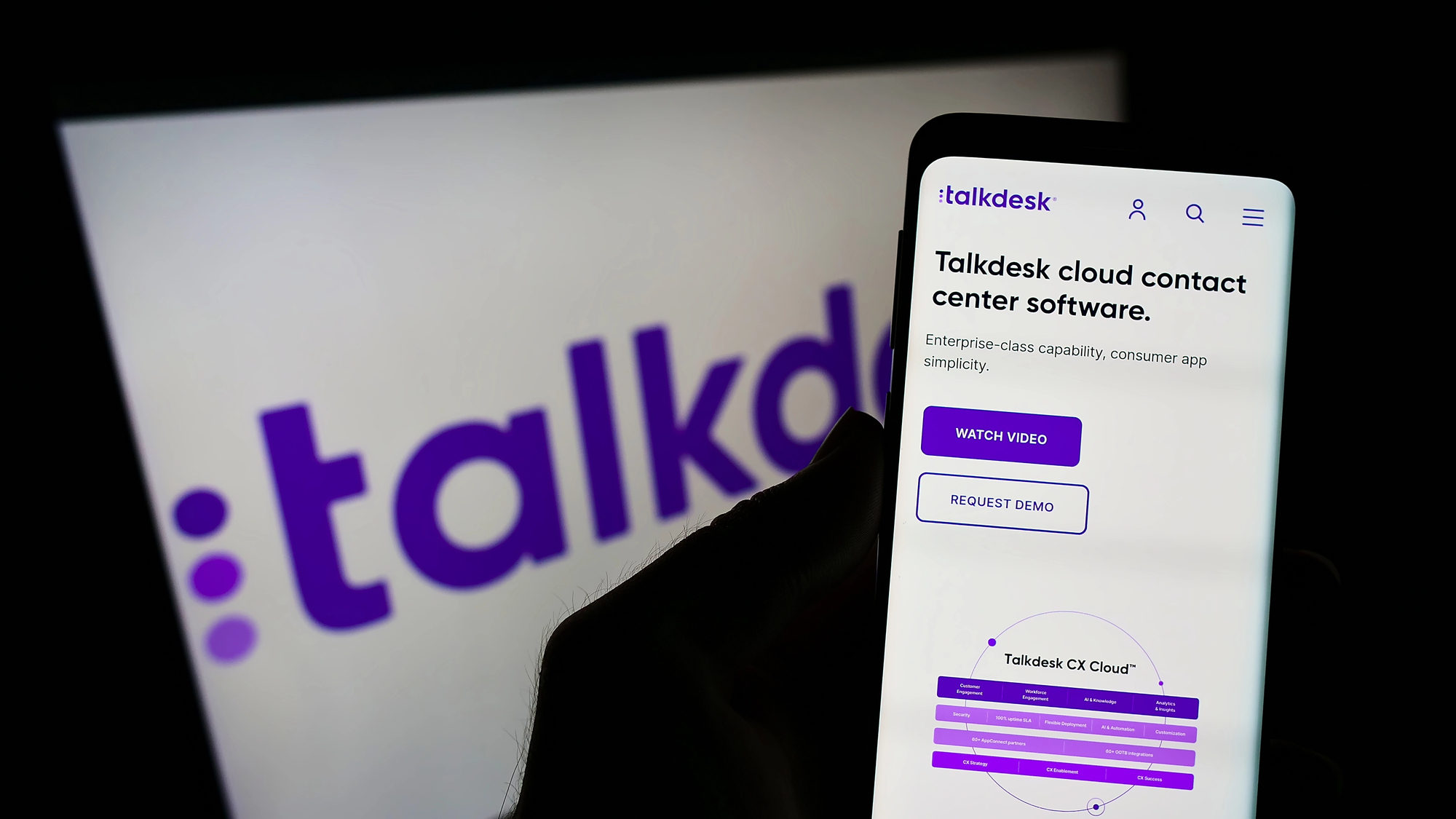
Talkdesk, the Portuguese tech unicorn, has officially become a resident of Diia.City and plans to open an office in Ukraine with approximately 20 specialists. The local team will focus on R&D in artificial intelligence to develop its Customer Experience Automation platform — a system that automates customer interactions from handling inquiries to coordinating teams. This was reported to LIGA.net by the Diia.City team.
"The Portuguese unicorn Talkdesk has officially entered the Ukrainian market and become a resident of Diia.City."
— the Diia.City team / LIGA.net
Why it matters
First, this is a signal of international business confidence in the Ukrainian IT ecosystem. Talkdesk is already used by more than 1,000 companies in over 100 countries (Farfetch, Canon, Fujitsu, Patagonia, and others), so its presence in Ukraine means part of that technological expertise is being brought here.
Second, creating an R&D team strengthens the local pool of AI competencies — a critical area for product competitiveness and for applied defense and cybersecurity tasks. Even a small team of 20 specialists can become a nucleus for further growth or partnerships with Ukrainian startups and universities.
Third, there is an economic effect: new jobs, taxes, and service multiplication. In the context of Diia.City — a platform that already hosts several unicorns (Lyft, DataRobot, Preply, and others) — the arrival of another international player reinforces Ukraine’s position as a region for scaling products and attracting investment. In 2025 the number of Diia.City residents and taxes paid nearly doubled — and these are figures that indicate a trend, not a one-off occurrence.
Implications for the market and what to expect next
This is not an automatic guarantee of a large influx of investment, but it is an important step: international companies are testing the reliability of infrastructure, the level of talent, and regulatory conditions. If Ukraine can retain talent, provide a partnership-friendly regime for R&D, and turn residents into long-term investors, Talkdesk’s arrival could stimulate a chain of subcontractors, academic collaborations, and new startups.
For the reader, this means three practical things: more tech jobs, strengthened export expertise in AI, and another piece of evidence that international business is willing to invest in Ukraine even in difficult times.
Conclusion
Talkdesk’s entry into Diia.City is more than PR: it is a marker of trust and an opportunity for structural growth of the IT ecosystem. The next step for Ukraine is to turn this signal into sustained investments, training, and partnerships so that 20 specialists become 200, and the initiative becomes a platform for new products and revenue. Whether we can seize this opportunity is a question for regulators, businesses, and the tech specialists themselves.