Taurus NEO: MBDA launches serial production in Germany — what it means for Europe and Ukraine
MBDA Deutschland announced it is preparing for serial production of the Taurus NEO missile following a contract with BAAINBw at the end of 2025. This is not merely a technological novelty — the decision carries implications for the European defense industry and regional security that deserve attention now.

By Tetiana Suchkova-Ladik
January 8, 2026 · 2 min read
Start of serial production and context
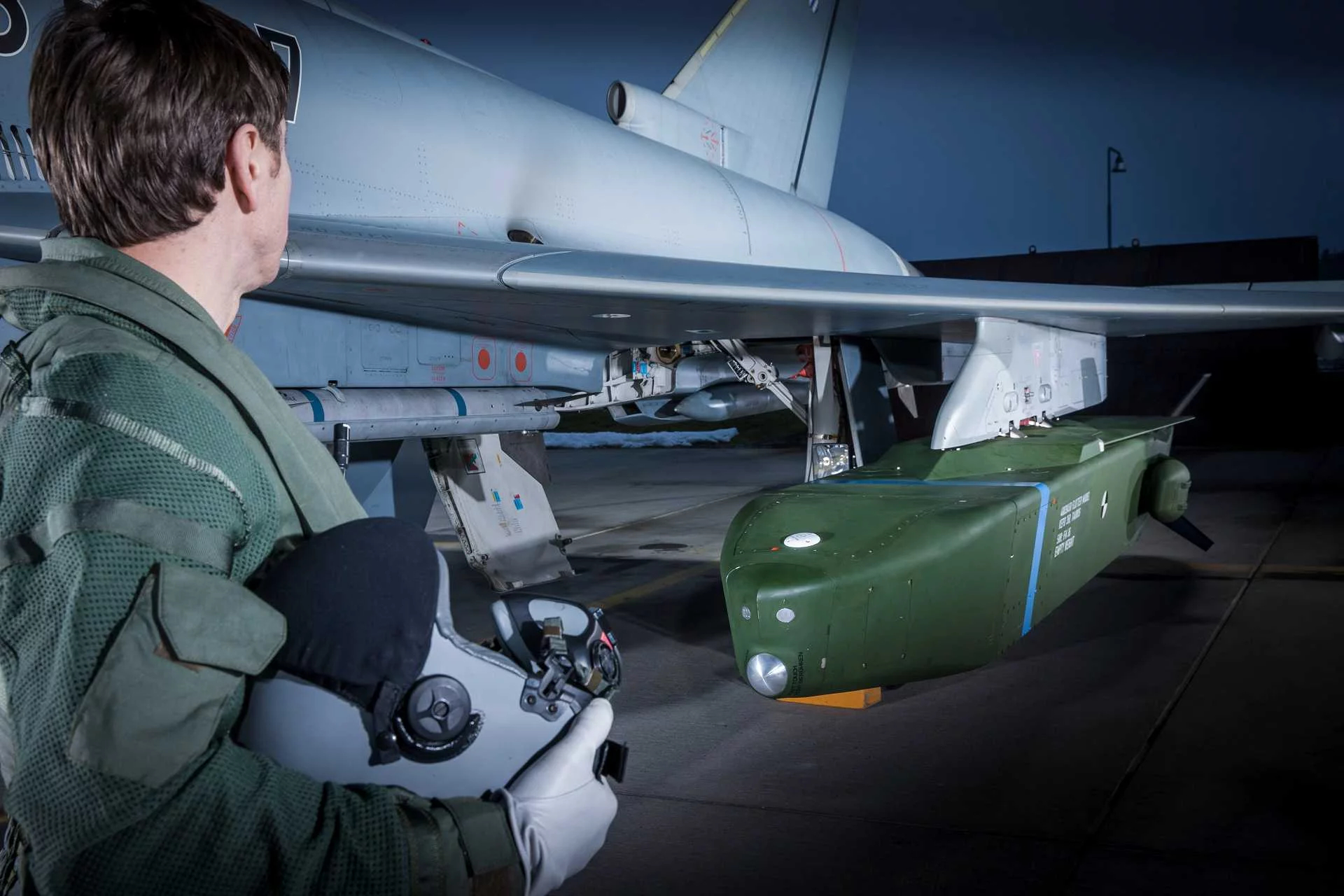
MBDA Deutschland announced the start of preparatory work for the serial production of the cruise missile Taurus NEO. The move to this phase became possible after a contract was signed with the Federal Office of Bundeswehr Equipment (BAAINBw) at the end of 2025; production is planned to be located in Germany, with an expansion of the plant in Bavaria. The company reported this on the social network X.
"We have begun preparations for the serial production of the Taurus NEO missile"
— MBDA Deutschland (social media)
About the missile: modernization of the KEPD 350
Taurus NEO is an updated version of the well-known cruise missile KEPD 350, developed jointly with Saab. The model received a digital navigation system with GPS and TERCOM, enhanced protection against electronic warfare, a reduced radar signature, and an improved warhead for engaging hardened targets. The missile is planned to be integrated not only on the Eurofighter, but also on unmanned platforms like the Remote Carrier within the FCAS (Future Combat Air System) program.
Implications for security, industry and Ukraine
Technically, this strengthens Europe's long-range strike capability and simultaneously reinforces the industrial base: expanding the Bavarian plant means jobs, supply chains and greater autonomy in producing complex systems. For Ukraine this is important for several reasons.
First, strengthening Germany's and its partners' defense potential increases Europe's overall deterrence — a factor that reduces the risk of escalation in the region. Second, scaling up production capacity in the EU creates conditions for faster logistics and delivery of weapons to allies when needed; investments in industry often translate into the ability to provide more timely assistance.
At the same time, Germany's political signal is reinforced by other steps: in November 2025 the government allocated nearly €490 million for the development of the DefendAir counter-drone missiles, and German manufacturers, including Rheinmetall, continue to supply short-range air defense systems — for example, additional Skyranger 35 systems on Leopard 1 chassis for Ukraine. Such decisions demonstrate a comprehensive approach: investing simultaneously in long-range strike, counter-drone measures and short- and medium-range air defense.
What to watch next
The start of serial production is only a technical and organizational milestone. The key question for regional security and for Ukraine is how quickly these production capacities will turn into real capabilities to support partners. European analysts note that strategic autonomy must be combined with operational readiness: investments and contracts must result in deliveries and interoperable solutions on the battlefield.
This is not just about one missile. Taurus NEO is an indicator of how Europe is building the capacity to produce complex weapons while supporting partners and enhancing its own resilience. Now the question is for politicians and manufacturers: will these capabilities be turned into concrete steps that strengthen Ukraine's and the region's defense?