Telegram adds AI summaries based on open models and updates iOS — privacy and design that matter for Ukraine
Brief summaries of posts based on Cocoon's open models, the new Liquid Glass interface for iOS, and strengthened request encryption. We explain why this matters for privacy, information security, and users in Ukraine.

By Tetiana Suchkova-Ladik
January 5, 2026 · 1 min read
What happened
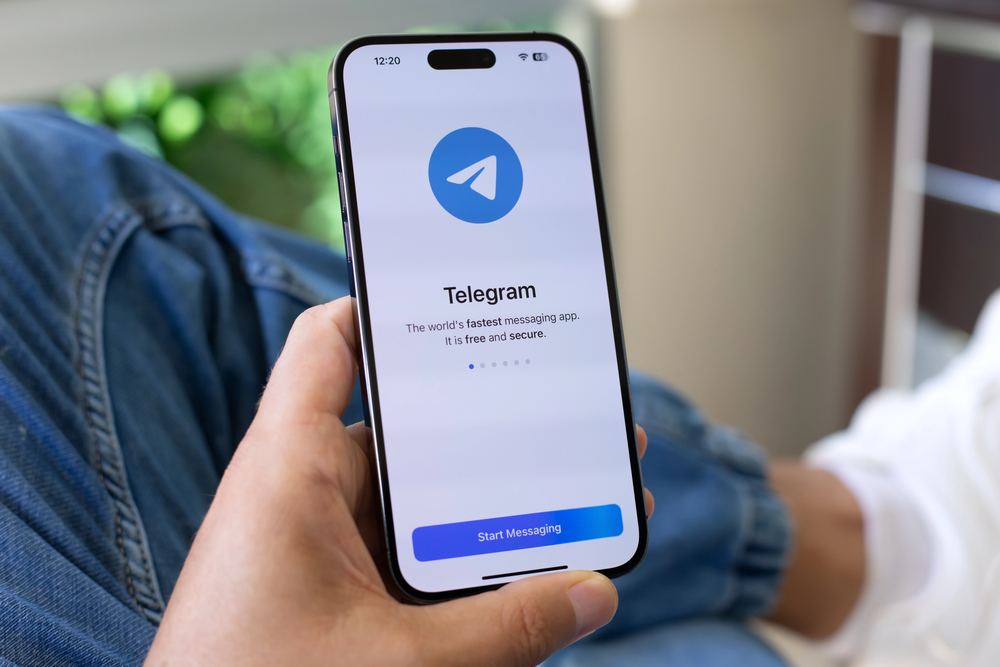
Telegram added AI summaries for channel posts to the app, integrated them into Instant View pages, and completely redesigned the iOS app with the Liquid Glass design. The summary feature runs on the open-source Cocoon network models, and requests to it are encrypted to enhance user privacy.
How it works
The new system generates concise text summaries using open-source Cocoon models. Telegram became the first client of this decentralized network, which combines AI algorithms, the TON blockchain, and social services. According to the developers, every request in the network is encrypted, which reduces the risk of leaks during summary generation.
"Cocoon combines artificial intelligence, the TON blockchain, and social services"
— Pavel Durov, Cocoon presentation, Blockchain Life 2025
What the updated iOS interface changes
The Liquid Glass design adds transparent elements and refractive effects. Users can disable or reduce visual effects through power‑saving settings to reduce battery strain.
Why this matters for Ukraine
The combination of open models and encryption is relevant for Ukrainian users given information security and censorship risks during wartime. Using open-source solutions allows civil society and the expert community to audit the algorithms, and encrypting requests reduces the likelihood of metadata leaks during content processing.
Social proof and the pace of change
In 2025 Telegram released more than 75 new features, with updates averaging every 26 days. This pace shows the platform is investing in the ecosystem and expanding moderation and user convenience tools.
Brief takeaway
The update reflects three trends: accessible AI, secure data sharing, and attention to user experience. For Ukraine, this could mean strengthened digital resilience and more tools for securely distributing information. Open questions remain: how transparent the Cocoon models will be for independent verification and how the balance between convenience and control over data will change.