Tesla announces sale of humanoid robot Optimus by 2027 — what it means for Ukraine
At the World Economic Forum in Davos, Elon Musk reiterated the deadline: sales of the Optimus robot are planned by the end of 2027. It’s an opportunity to revitalize infrastructure and logistics, but also a reminder of the technical and regulatory challenges.

By Tetiana Suchkova-Ladik
January 23, 2026 · 2 min read
Announcement in Davos
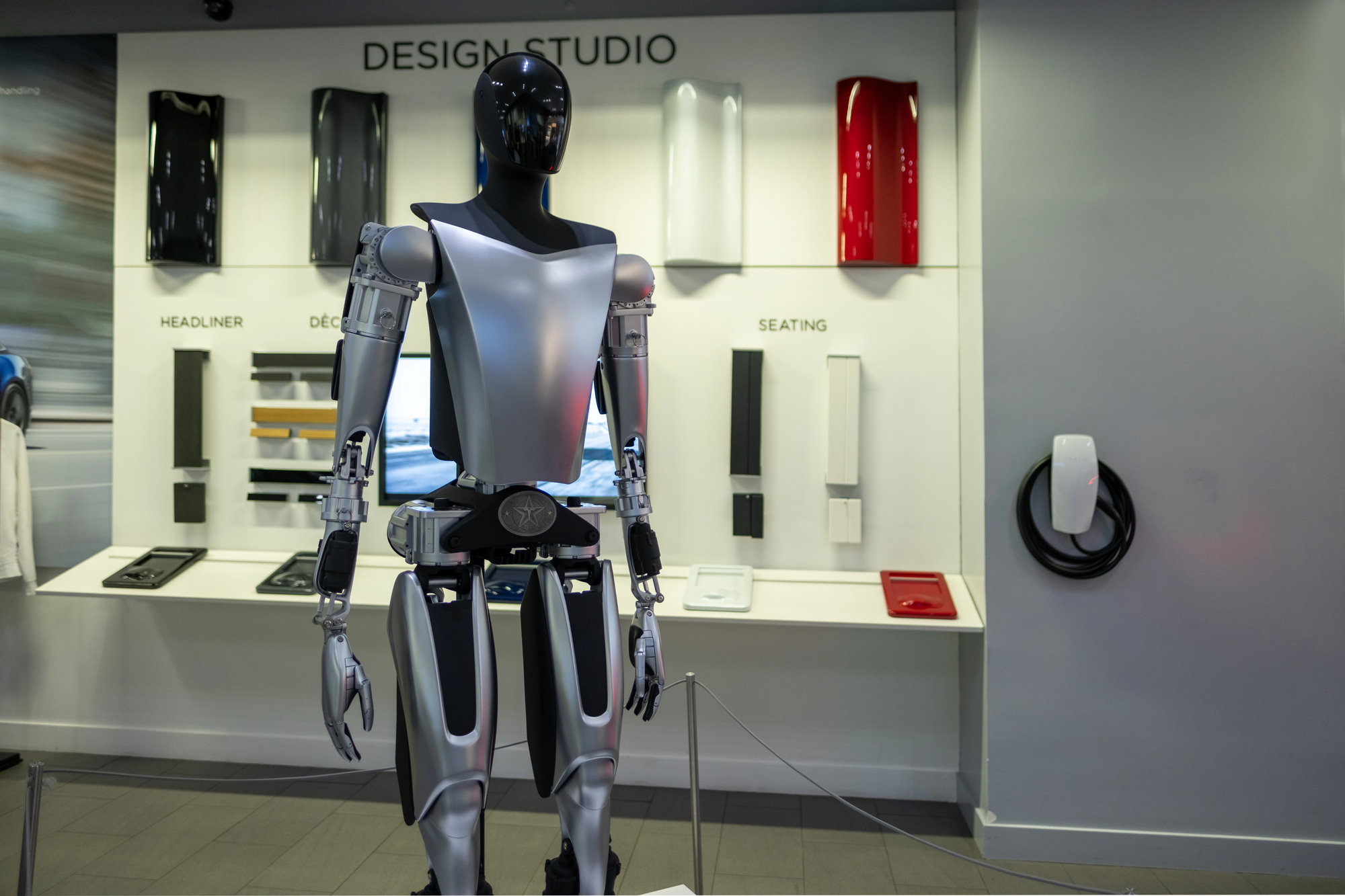
At the World Economic Forum in Davos, Elon Musk said that Tesla plans to begin selling the humanoid robot Optimus by the end of 2027. According to him, the robots are already performing simple tasks at the company's factories, but a mass market release will depend on proven reliability, safety and functionality.
"We plan to sell Optimus by the end of 2027 — once we are confident in its quality and safety"
— Elon Musk, founder and CEO of Tesla
Technical reality and doubts
Tesla notes that the decision to launch sales depends on the completion of testing. At the same time, the head of development, Milan Kovac, has left the project, and earlier promises about 2026 were not fulfilled. Meanwhile the company is resuming work on the Dojo supercomputer, advancing the Cybercab projects and refreshing its model lineup — this indicates a large-scale technological strategy, but does not guarantee immediate commercial success.
What this means for Ukraine
For Ukraine, the emergence of affordable humanoid robots is not just science fiction but concrete opportunities: accelerating logistics at reconstruction sites, mechanization of heavy and dangerous work, and support in critical infrastructure projects. At the same time, important questions remain about compatibility with our engineering base, energy systems, and the costs of service and training.
Risks and unresolved issues
The arrival of humanoid robots raises questions about jobs, cybersecurity and regulatory constraints. Some equipment may fall under U.S. export restrictions, and integrating robots into sensitive supply chains will require security standards and access control. It is also a reminder: machines run on algorithms — people set the rules for their use.
Conclusion
Tesla reiterated the ambitious timeline — by the end of 2027 — but several technical and staffing iterations remain on the road to a commercial launch. For Ukraine this is a potential opportunity to speed up reconstruction and modernization, but also a challenge: it will be necessary to develop personnel, standards and policy so these technologies work for national interests rather than creating new vulnerabilities.



