The Freestyle+: Samsung's portable AI-powered projector — what it offers Ukrainian users
Samsung unveiled The Freestyle+ at CES 2026 — a compact projector featuring AI OptiScreen technology, boosted brightness, and 360° sound. We explain why the new device matters for homes, education, and small businesses in Ukraine, and when to expect it to go on sale.

By Tetiana Suchkova-Ladik
January 2, 2026 · 2 min read
Brief — why it matters
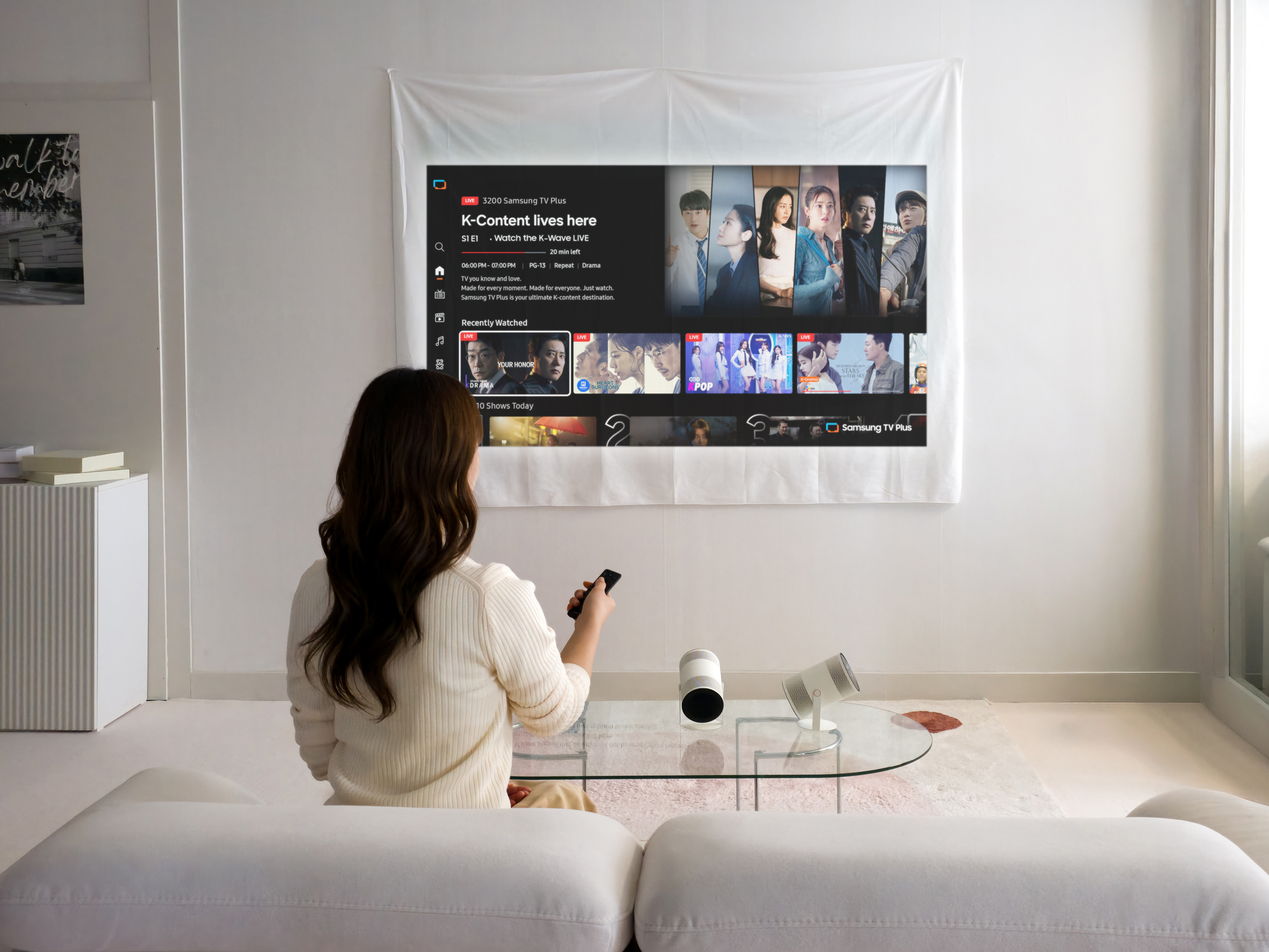
Samsung officially announced the portable projector The Freestyle+ at CES 2026 in Las Vegas, the company's press service reports. This is not just another compact model: the combination of artificial intelligence and practical design makes the device convenient for a range of scenarios — from home cinema to mobile presentations and education.
What's new
The key technology is AI OptiScreen, which combines 3D Auto Keystone, Real‑time Focus, Screen Fit and Wall Calibration functions. According to the manufacturer, the system automatically adjusts the image to the type of surface and lighting conditions, so the user does not need to spend time tweaking settings.
Technical points to know: brightness — 430 ISO lumens (almost twice that of the previous version), body — a compact cylinder with the ability to rotate 180°, and sound is provided by a 360° speaker with Q‑Symphony, which can be synchronized with compatible Samsung soundbars.
“The Freestyle+ automatically adapts the image to any surface and lighting conditions so users can immediately view content without additional adjustments.”
— Samsung Electronics, press service
Ecosystem and compatibility
Samsung also announces further integration of services into its TVs: in 2026 Google Photos will be integrated into the television ecosystem for the first time, and Samsung models will be the first to include this feature. This creates synergy: users will be able to easily display photos and videos both on the projector and on the big screen within a single ecosystem.
When and how it will reach Ukraine
Samsung will showcase The Freestyle+ at CES on January 6–9, 2026; a phased global launch is planned for the first half of the year. Practical availability in Ukraine will depend on logistics and decisions by local distributors, but typically the first shipments of new models appear in official retail networks within a few weeks of the global release.
Why this matters specifically for Ukraine
The combination of portability, easy setup and quality sound makes the device useful in several Ukrainian scenarios: mobile presentations for small businesses, flexible arrangements for home viewing in limited spaces, educational sessions and screenings in communities where access to large screens is limited. Market analysts note that the trend toward portable devices with intelligent features strengthens the role of such gadgets in everyday life.
Conclusion
The Freestyle+ is a logical step by Samsung toward improving portable video: fast image adaptation, increased brightness and quality sound make the projector a practical tool. At the same time, the key question for Ukrainian users is price and availability in local retail networks. Whether the announcement turns into an accessible product depends on how quickly the manufacturer and distributors establish supply and support in the region.



