Tuesday, May 26, 2026
Today's Edition

EveryNews

Stories that matter, signal over noise

Technologies

Trump suggested 6G could let people "see skin" on air

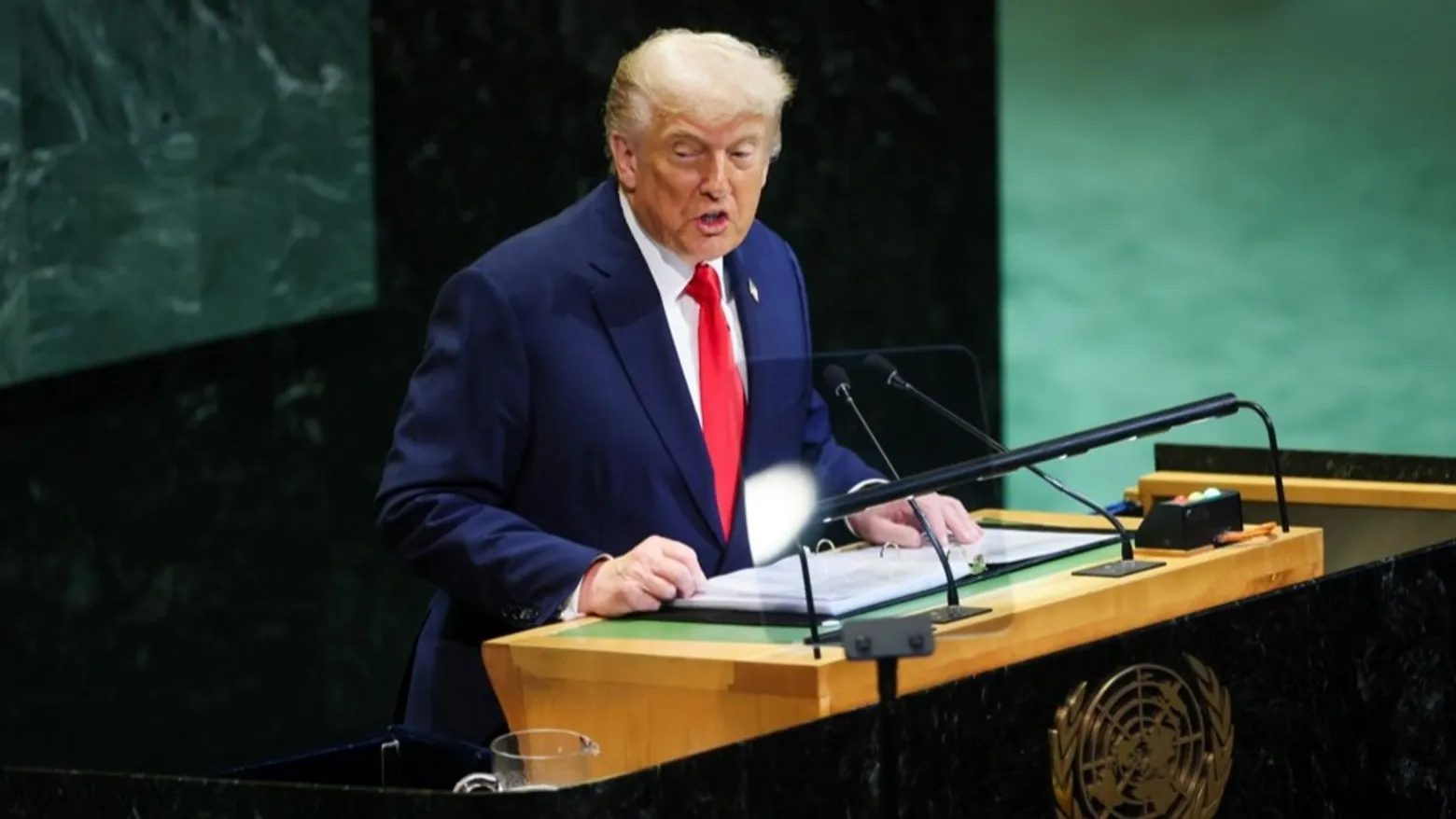
During a live television broadcast, Donald Trump mixed up 6G with camera quality and said it "allows you to see deeper into the skin," a comment made in the presence of Qualcomm CEO Cristiano Amon. The article also mentions the president's previous technological claims.

Tetiana Suchkova-Ladik

By Tetiana Suchkova-Ladik

December 11, 2025 · 1 min read
Trump suggested 6G could let people "see skin" on air

Confusion around 6G

During a live television broadcast, Donald Trump compared 6G to camera specifications and suggested that the technology supposedly allows one to "see deeper into the skin." According to the hosts, the comment was made in the studio in the presence of Qualcomm CEO Cristiano Amon.

Allows you to see deeper into the skin

– Donald Trump

Earlier technological statements

Previously, Trump repeatedly emphasized his role in the rollout of 5G in the US, citing steps taken by his administration. During his tenure the merger of T‑Mobile and Sprint was approved, additional spectrum was allocated to operators, and some net neutrality rules were rolled back. In 2019 he called for a rapid move to 6G, without explaining what he meant by that term.

These remarks are not the first to raise questions: earlier he called the Moon part of Mars and promoted a smartphone labeled "Made in the USA," even though its production was not planned in the United States. In November, in a conversation about sexual offender Jeffrey Epstein, Trump insulted a journalist by calling her "a pig."

A pig

– Donald Trump

In addition, a U.S. court ruled one of Trump's first decisions after taking office unlawful.

Related

Latest

Business

EU Against Google: Why the Latest Fine Could Change More Than Previous Ones

# European Regulators Target Google Again — This Time Over Digital Markets Act Violations. What's Behind the Accusations and Why It Matters Beyond the Corporation European regulators have renewed their scrutiny of Google, this time focusing on alleged violations of the Digital Markets Act. The charges underscore Brussels' increasingly aggressive stance on big tech monopolies and what officials say are anticompetitive practices. The accusations center on how Google leverages its dominance across multiple digital services — from search to advertising to mobile platforms — to disadvantage competitors. Regulators claim the company is using its market power in ways that stifle innovation and limit consumer choice. The case carries significance far beyond Google itself. It signals how the EU is attempting to enforce its landmark Digital Markets Act, legislation designed to curb the gatekeeping power of tech giants. A potential penalty could set precedent for how other large technology companies face similar scrutiny. For consumers and smaller tech firms, the outcome could reshape the digital landscape by creating more room for competition. For Google, fines and operational restrictions could fundamentally alter its business model in Europe, the world's most stringent regulatory market. The case also reflects a broader geopolitical divide, with the EU pursuing a regulatory approach that contrasts sharply with the lighter-touch oversight favored in the United States.

May 26, 2026