Diia chooses name for national AI — from language to security
Voting has begun in the Diia app to choose the name of the Ukrainian large language model being developed together with Kyivstar. This is more than a brand — it’s about language, trust, and national security.

By Tetiana Suchkova-Ladik
March 26, 2026 · 2 min read
About the vote
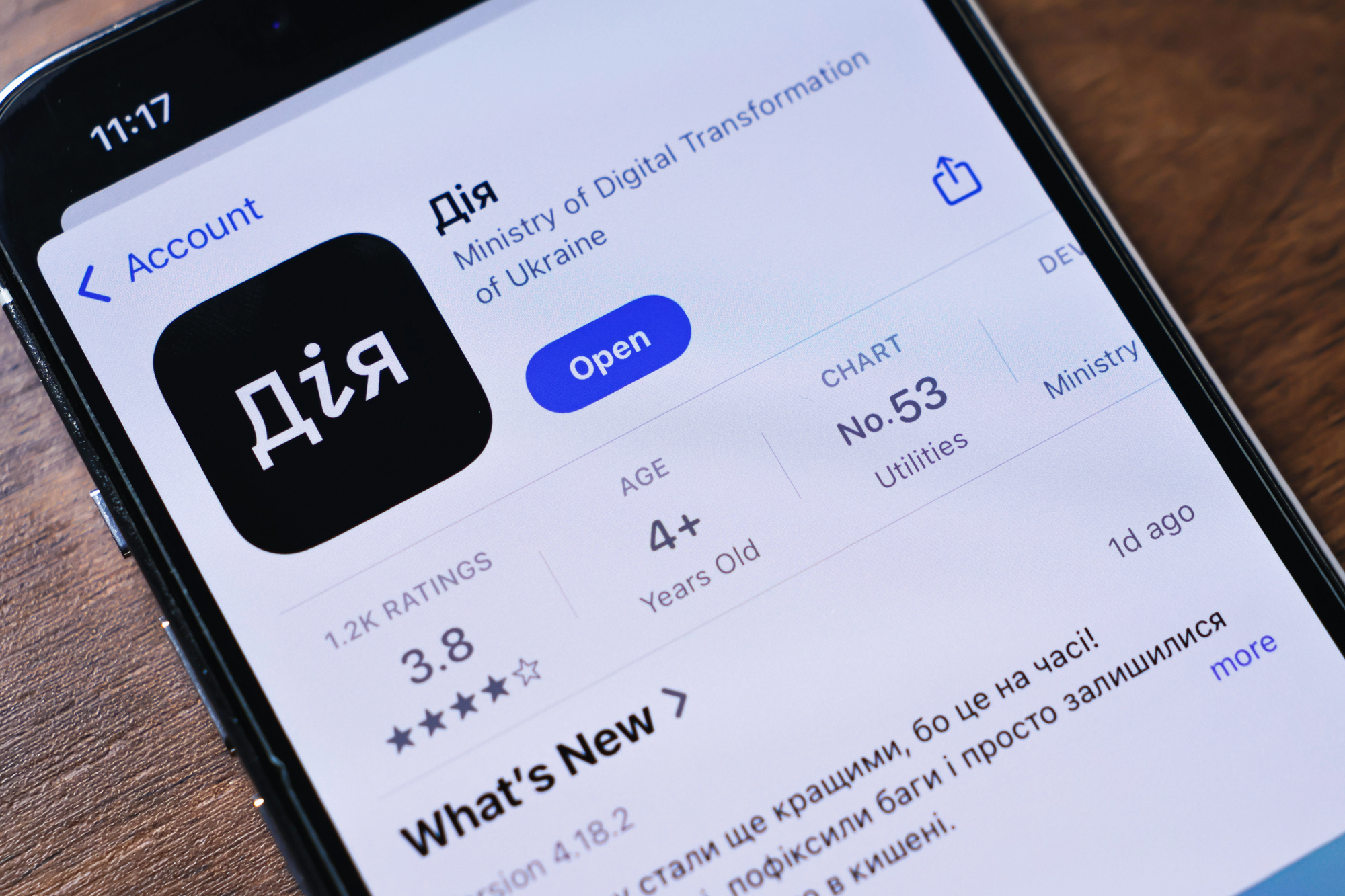
In the Diia app, voting has begun for the name of the national large language model (LLM). The model is being developed in partnership with Kyivstar, and 10 finalists were selected from over 3,000 user submissions: Сяйво, Питай, Слово, Дзвінка, Говерла, Шипіт, Шукай, Ядро, Кавун, Гомін.
Voting runs until March 29, 12:00 in the «Services» → «Polls» section of Diia. The results will determine the official name under which the Ukrainian AI will enter public and commercial services.
Reminder: in December 2025 the state began collecting data to train the model from over 90 state institutions, and also formed a team working on the national LLM.
Why the choice of name matters
The name is not just marketing. It affects how the technology is perceived by citizens, the trust of partners, and the readiness to integrate the model into education, healthcare, and defense systems. A local LLM must work with dialects, historical features, and the context of the Ukrainian language — its usefulness in real life depends on this.
Beyond the cultural dimension, there is a practical side: questions of data, transparency of model training, and cybersecurity. Experts in language technologies and information security note that the name can become a marker of standards — whether the model will be positioned as “native”, regulated and accountable.
"A name is not only a brand; it is a marker of trust and responsibility toward the language and security. It is important that the chosen name reflect both technical quality and the national context."
— Ministry of Digital Transformation of Ukraine
How to vote and what happens next
You can vote directly in Diia: open the «Services» → «Polls» section, choose one of the 10 finalists and confirm your vote. After the result is announced, the name will be used in the model's communications, documentation and integrations with the public sector and business.
Next comes the technical part: training the model on the collected corpora, pilot implementations, security audits and open testing. The transparency of this process will determine whether the project is accepted by Ukrainian users and international partners.
Conclusion
The vote in Diia is the first public step in creating the national LLM. This is not just choosing a catchy word: it is the moment when the technology receives a social license. Whether the chosen name becomes a symbol of trust depends not only on the vote, but also on the subsequent openness, standards and responsibility of the development team.