Tuesday, May 26, 2026
Today's Edition

EveryNews

Stories that matter, signal over noise

Technologies

Ukrainian Frontline and Quantum Systems launch drone production in Germany

Quantum Systems and Frontline Robotics have created Quantum Frontline Industries — the first Ukrainian-German defense joint venture in Germany for the serial production of drones for Ukraine’s Defense Forces; production volumes will be determined by the Ministry of Defense.

Tetiana Suchkova-Ladik

By Tetiana Suchkova-Ladik

December 15, 2025 · 1 min read
Ukrainian Frontline and Quantum Systems launch drone production in Germany

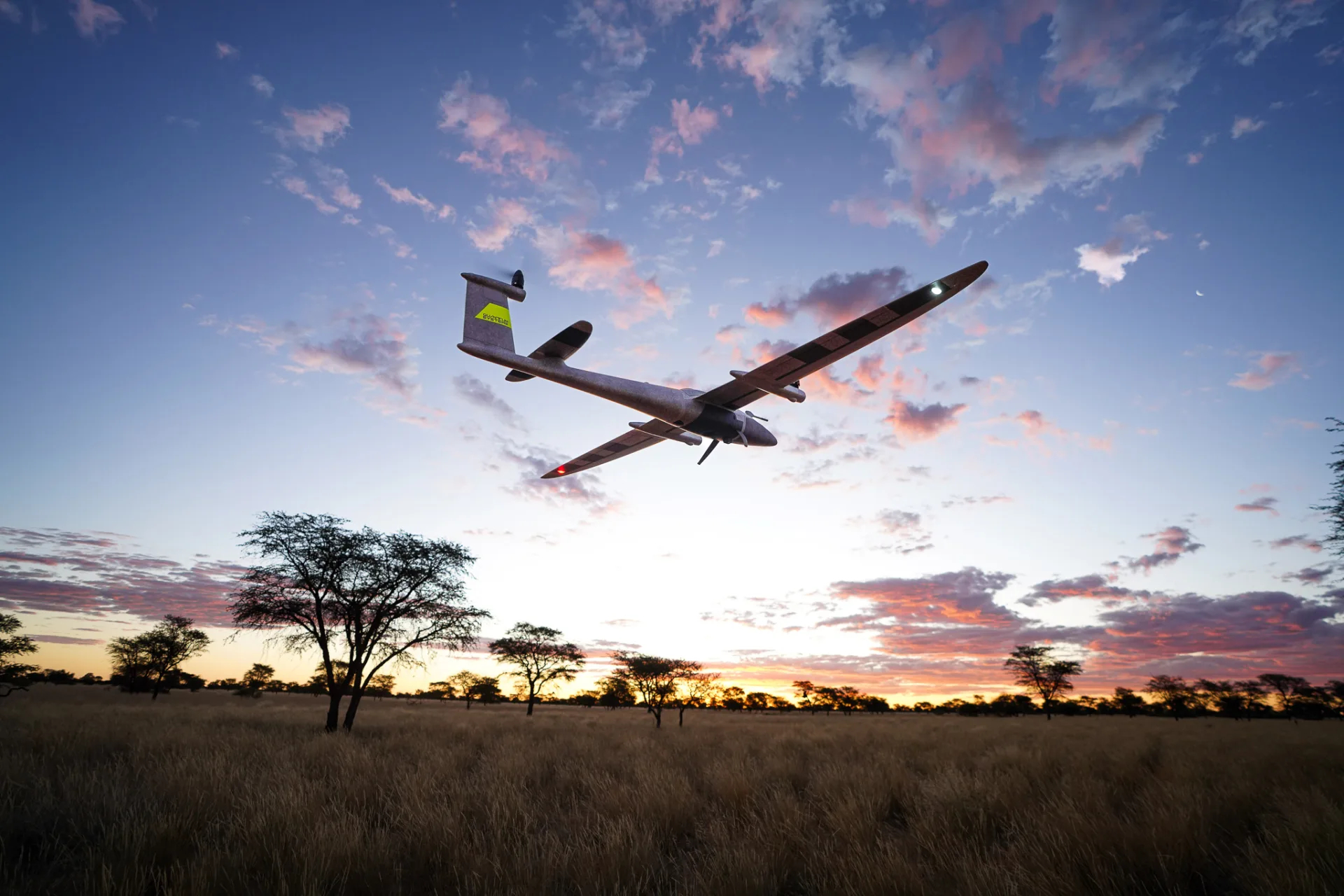
Quantum Systems and Ukrainian Frontline Robotics have created Quantum Frontline Industries (QFI) — the first Ukrainian-German joint venture in the defense sector.

Production and purpose

The project was implemented under the Build with Ukraine program. The manufactured drones will be transferred to the Defense Forces of Ukraine, and the volumes of deliveries will be set by the Ministry of Defense.

At QFI, Ukrainian developments proven on the front will be combined with German serial-production technologies. Drones will be assembled on an automated line in accordance with NATO standards. Ukrainians living in Germany will also be involved in the work. The location of the facility is not being disclosed for security reasons.

Leadership and plans

Matthias Lena has been appointed head of Quantum Frontline Industries — a former Bundeswehr infantryman who worked at the Cyber Innovation Hub and at Quantum Systems. The company’s plans include not only serial production but also expanding the model range and developing new solutions for the front.

Quantum Systems is also to supply Germany with Falke drones, which are already being used in Ukraine. Fifty-one percent of miltech companies have already moved or plan to move production abroad.


Related

Latest

Business

EU Against Google: Why the Latest Fine Could Change More Than Previous Ones

# European Regulators Target Google Again — This Time Over Digital Markets Act Violations. What's Behind the Accusations and Why It Matters Beyond the Corporation European regulators have renewed their scrutiny of Google, this time focusing on alleged violations of the Digital Markets Act. The charges underscore Brussels' increasingly aggressive stance on big tech monopolies and what officials say are anticompetitive practices. The accusations center on how Google leverages its dominance across multiple digital services — from search to advertising to mobile platforms — to disadvantage competitors. Regulators claim the company is using its market power in ways that stifle innovation and limit consumer choice. The case carries significance far beyond Google itself. It signals how the EU is attempting to enforce its landmark Digital Markets Act, legislation designed to curb the gatekeeping power of tech giants. A potential penalty could set precedent for how other large technology companies face similar scrutiny. For consumers and smaller tech firms, the outcome could reshape the digital landscape by creating more room for competition. For Google, fines and operational restrictions could fundamentally alter its business model in Europe, the world's most stringent regulatory market. The case also reflects a broader geopolitical divide, with the EU pursuing a regulatory approach that contrasts sharply with the lighter-touch oversight favored in the United States.

May 26, 2026