Ukraine tests microwave anti-drone weapons: how will this change the front line?
The systematic work of Ukrainian engineers is reaching a new level: testing prototypes of microwave weapons could change approaches to defending against drone swarms and reduce the strain on conventional air‑defense systems.

By Tetiana Suchkova-Ladik
January 20, 2026 · 2 min read
Testing in Ukraine: brief and important
Andriy Hrytseniuk, CEO of the Brave1 defense cluster, said on the "To Arms!" program on the "Militarniy" YouTube channel that Ukrainian developers are already testing prototypes of microwave weapons to counter drones. This is not just a technological novelty — it is a response to the real threats facing the military and critical infrastructure.
“Ukrainian developers are already testing prototypes of microwave weapons to counter drones,”
— Andriy Hrytseniuk, CEO of the Brave1 defense cluster
How it works
Microwave weapons disable unmanned aerial vehicles using directed electromagnetic radiation. Unlike projectiles or interceptors, such systems do not require expendable munitions and can, in theory, affect multiple targets simultaneously — which is important against swarms of drones.
Details of the Ukrainian developments, including technical specifications and test results, currently remain classified.
International context
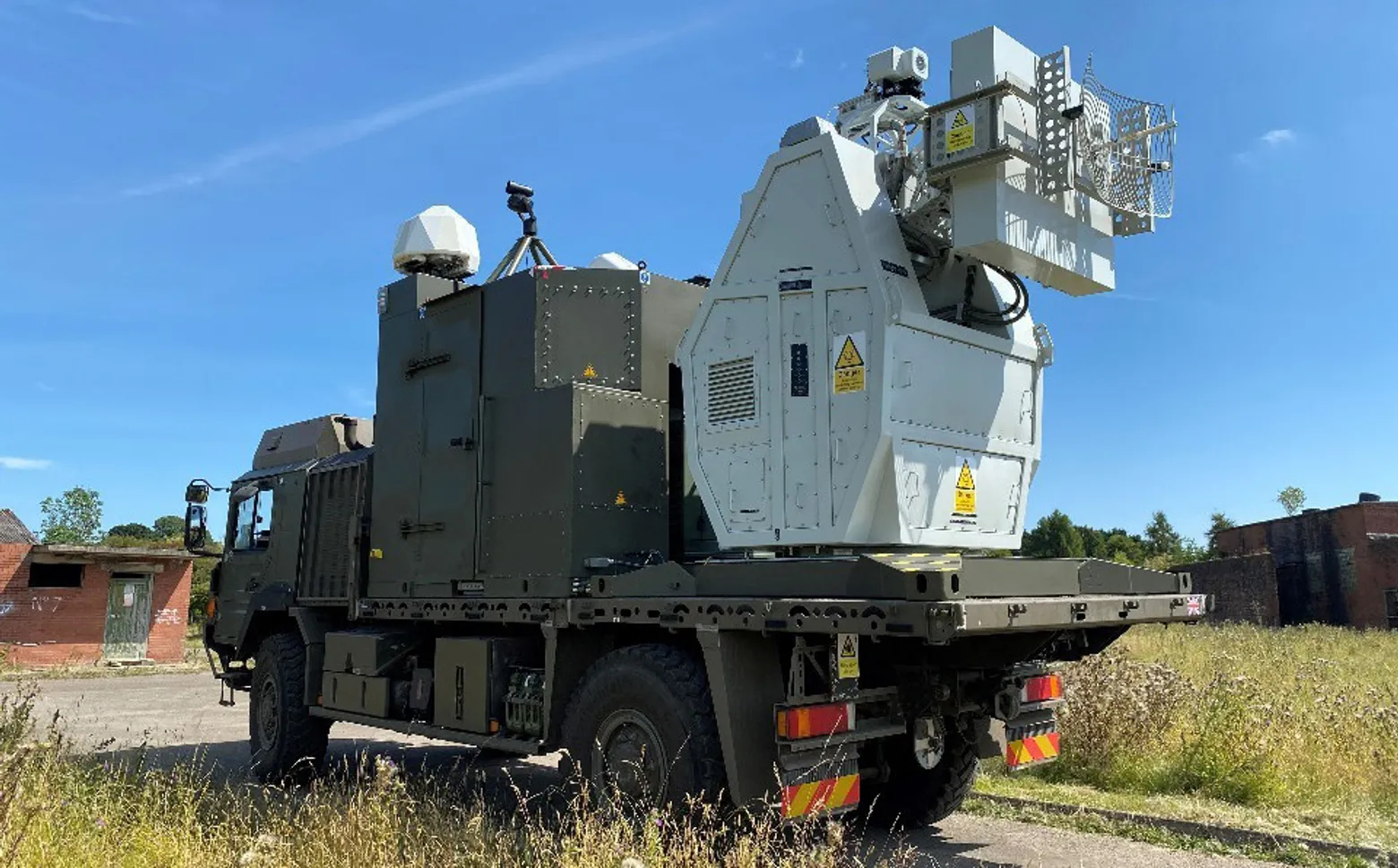
Similar solutions have already been demonstrated by foreign companies: the American firm Epirus, with its Leonidas system, reported the simultaneous neutralization of dozens of drones during range trials in autumn 2023. Separate experiments with microwave systems have also been conducted by British units, and at the same time Ukrainian drones, including the new version of Octopus, were presented to representatives of the British government — this indicates a growing interest from partners in comprehensive solutions against unmanned threats.
Why Ukraine needs it
There are four practical arguments in favor of developing such systems:
- Responsiveness: a rapid reaction to swarms of drones, which are increasingly used to attack infrastructure and forces.
- Cost-effectiveness: the lack of expendable munitions and the ability to affect multiple targets at once reduce costs in the long term.
- Technological independence: domestic solutions reduce dependence on imported components and open up export prospects.
- Protection of civilian facilities: such systems can be integrated with air defense and urban infrastructure to provide an additional layer of security.
What’s next
The key now is to turn prototypes into reliable field samples: open trials in conditions close to combat, certification, integration with existing command systems, as well as funding for mass production. Analysts and military experts note that success in this area will depend less on individual demonstrations and more on systemic support from the state and the defense industry.
Whether Ukrainian engineers will succeed in turning test samples into effective systems that will operate under fire and in complex electromagnetic conditions is an open question. The answer depends on coordination among the military, the people developing the equipment, and the political will of partners.