Elevated nitrates found in water near Amazon data centers — health risk
In Morrow County, Oregon, nitrates in drinking water were found at levels up to ten times the standard. Researchers link the elevated levels to increases in cancer cases and miscarriages; large data centers operate in the region.

By Oleg Bazylewicz
December 1, 2025 · 1 min read
In Morrow County, Oregon, a sharp rise in nitrate concentrations was detected in drinking water — in some places readings were ten times higher than the limit. Scientists link the elevated levels to an increase in cancer cases and a rise in the number of miscarriages in the region.
Nitrate levels and consequences
Part of the water that passes through industrial cooling systems loses volume through evaporation, while nitrates remain and accumulate, increasing the concentration of salt compounds. In a number of cases, analyses showed nitrate levels in wastewater after treatment reaching 56 ppm — about seven times higher than the established safety limit in Oregon.
Link to data centers
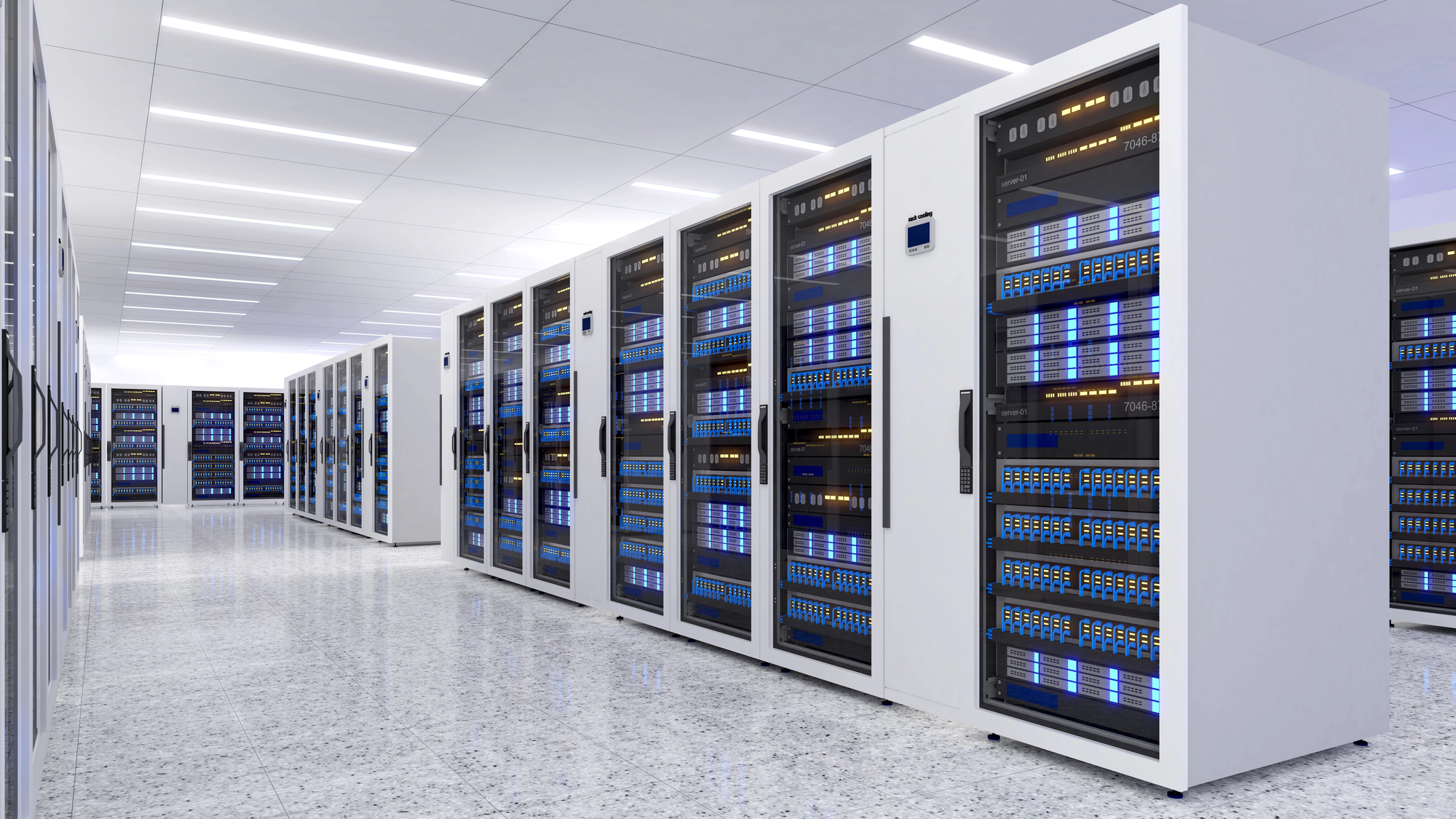
This situation is linked to the operation of large data centers, which use millions of gallons of water to cool servers. After use, such water enters wastewater systems and can be used for irrigating fields, and through sandy soils nitrates from fertilizers quickly penetrate into underground aquifers.
When operators reuse this water in cooling systems, the nitrate concentration in the resource rises further. Amazon rejects responsibility for the deterioration of water quality and claims that problems with water supply and elevated nitrates existed before its entry into the region.
Additionally, the company plans investments outside the U.S.: capital investment in service infrastructure in the Netherlands is estimated at $1.6 billion. Reports also say it intends to replace about 600,000 workers in the U.S. with automation by 2033.