WhatsApp Adds Scheduled Messages — How It Will Ease Coordination for Volunteers and Businesses
WhatsApp is testing a Scheduled Messages tool that will let users set the date and exact time a message is sent. This simple technical innovation could prove useful for organizations operating in a mode of heightened coordination.

By Tetiana Suchkova-Ladik
February 23, 2026 · 1 min read
Why it matters
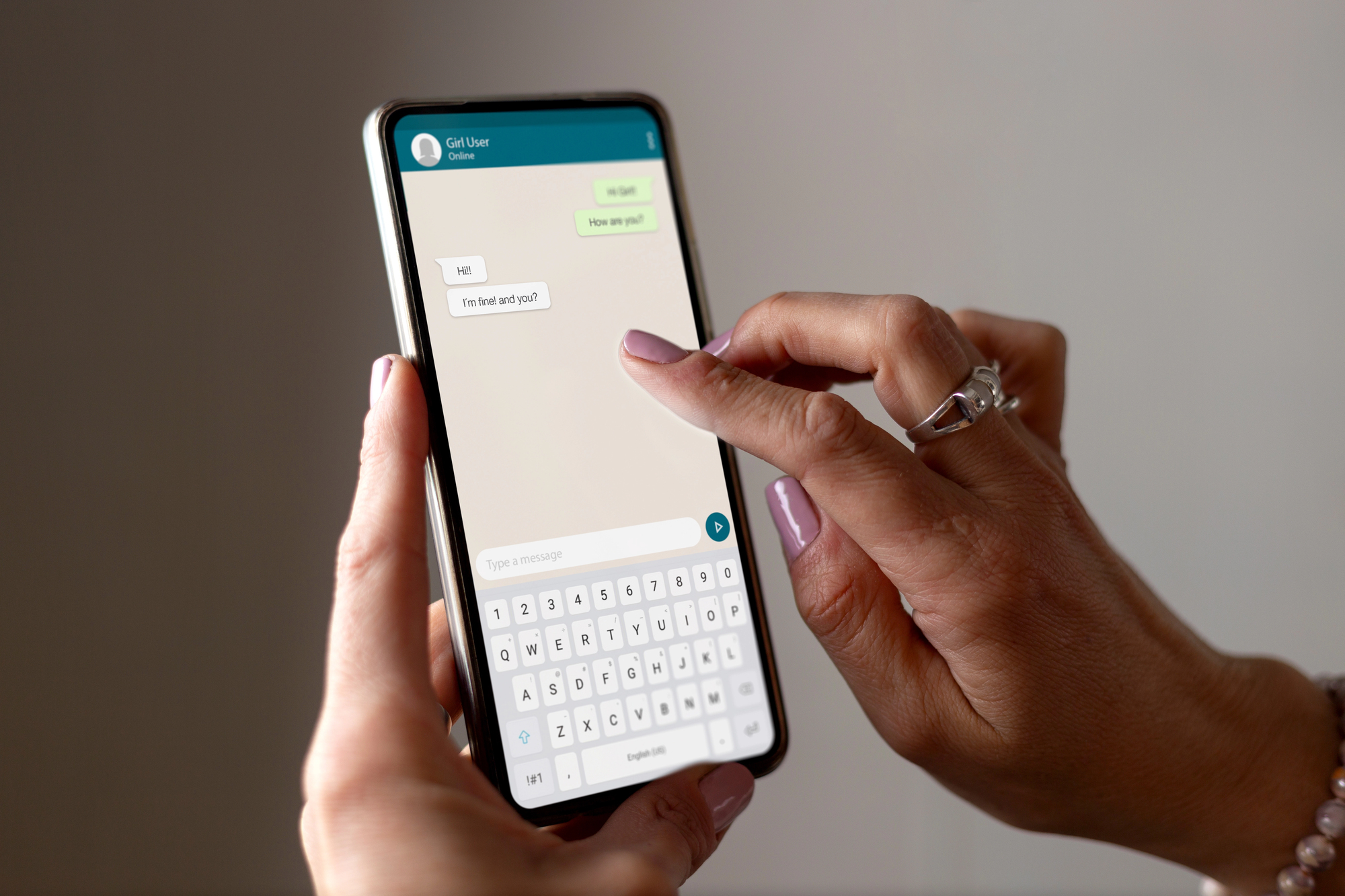
WhatsApp is working on a Scheduled Messages feature — the ability to schedule a message for automatic sending on a specified date and time. For users, this means reminders, informational mailings, or important messages can be prepared in advance and not forgotten at the crucial moment. Such a simple option matters not only for private chats but also for volunteer groups, civic initiatives, and small businesses that coordinate under stressful conditions.
What is known
Source: WABetaInfo spotted the addition in the WhatsApp beta for iOS under version 26.7.10.72. Briefly, the key details:
• A user will be able to create a message, choose the date and exact sending time — it will be delivered automatically.
• The tool will work in both individual and group chats.
• Scheduled messages will be stored in a separate Scheduled Messages section on the chat info screen; they can be viewed or deleted before sending.
"WABetaInfo discovered the Scheduled Messages tool in iOS beta 26.7.10.72"
— WABetaInfo, a resource testing WhatsApp beta features
Why it matters for Ukraine
In the context of Ukrainian realities, even small communication tools have practical significance. Scheduled messages allow:
• coordinating volunteer chains and mailings at the optimal time;
• sending official messages without needing to be online at a specific minute;
• avoiding sending messages at an inappropriate time for the recipient (especially when dealing with an international audience or the diaspora);
• systematizing automatic reminders for meetings, fundraising campaigns, or work deadlines.
What's next
The feature is currently in development and spotted in the iOS beta; typically, after testing such options roll out more widely (Android, stable builds). Users should follow WhatsApp updates and test releases, and organizations should already consider how to integrate this option into their workflows to boost communication efficiency without additional burden.
Question for reflection: will volunteer networks and small businesses be able to quickly adopt scheduled mailings as part of everyday coordination?