Windows 11 gets Xbox mode — what it will mean for gamers and the Ukrainian industry
Microsoft is launching a fullscreen Xbox mode in Windows 11 starting in April. We explain why this matters not only for gamers but also for developers, streamers, and Ukraine’s tech ecosystem.

By Tetiana Suchkova-Ladik
March 12, 2026 · 2 min read
Briefly
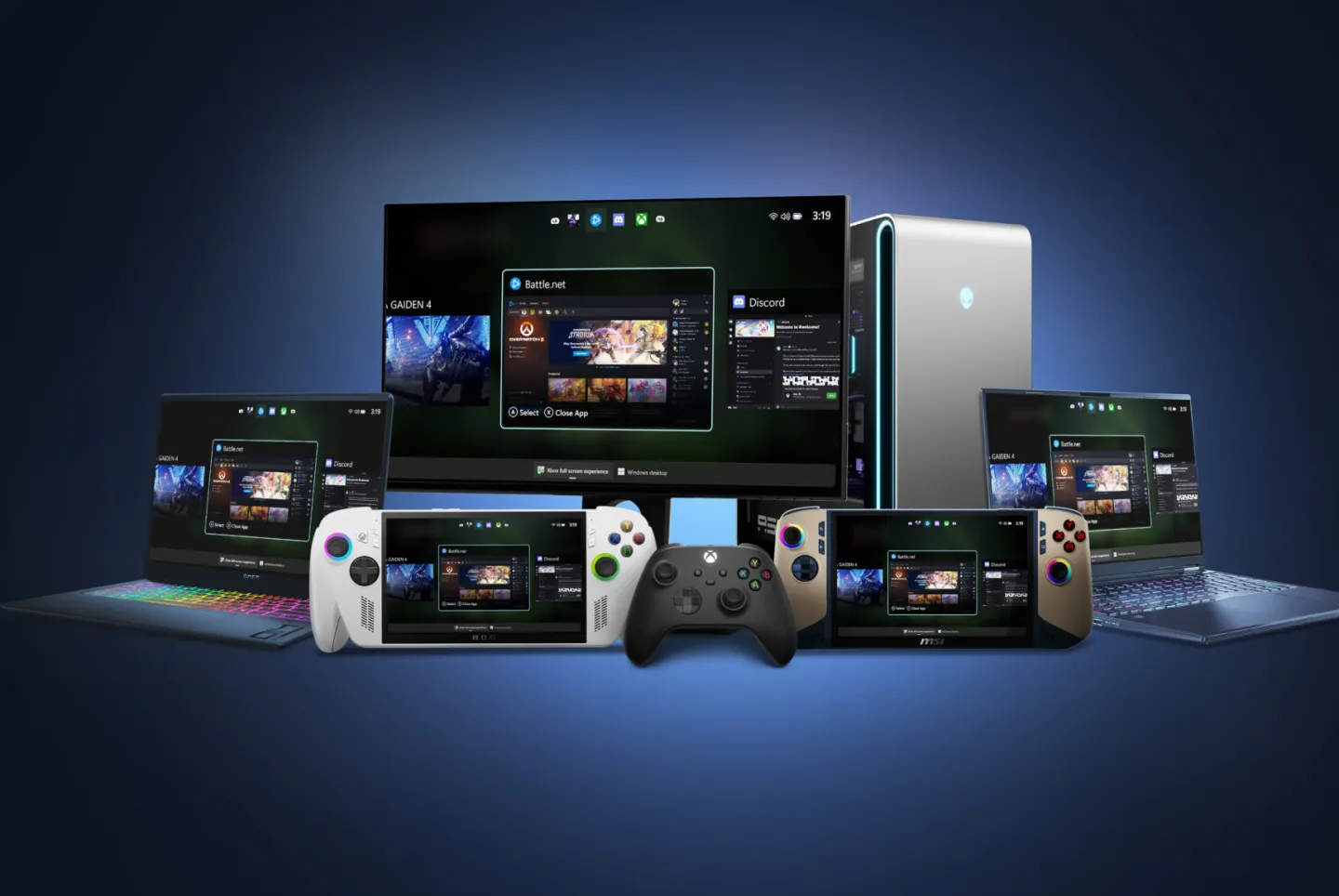
Microsoft announced the launch of Xbox mode — a new full-screen mode for Windows 11 that will begin appearing on devices as early as April. The feature was tested in the Windows Insider and Xbox Insider programs under the name Xbox Full Screen Experience and has now received its final name and a rollout plan.
“Xbox mode will make using a PC for gaming feel more like the Xbox console experience”
— Microsoft, official announcement
What's new
The mode will run on laptops, desktops and tablets and is focused on the same full-screen, curated interface familiar to console users. At the same time, Microsoft is opening the Advanced Shader Delivery technology to developers in the Xbox Store — the ability to deliver precompiled shaders alongside a game to reduce stuttering and improve launch performance.
Why it matters
This is not just a cosmetic change. For players — fewer technical barriers when launching AAA titles, faster startups and a more stable framerate on some configurations. For developers — more efficient delivery chains for graphical components and the ability to guarantee a more consistent experience across different hardware.
What it means for Ukraine
For Ukrainian studios and streamers, the new tools could mean potential reductions in optimization costs for different builds and faster access to international platforms. Support for precompiled shaders and a consolidated “console” mode can raise the quality of releases and competitiveness in Western markets — an important signal of trust for investors and partners during the industry's rebuilding.
Context of technological development
Microsoft also hinted at the return of classic Xbox games to PC for the brand’s 25th anniversary and continues work on Project Helix — a console that could theoretically run PC games (alpha testing is planned for 2027). Work is also underway on Windows 12 with AI, which may be introduced in 2026. This shapes a roadmap where PC and console increasingly interact.
Practical implications for users
Integration with the Xbox Store and improved streaming (for example, 1440p for Game Pass Ultimate subscribers) make Microsoft’s ecosystem more attractive to players who rely on available internet channels and hardware. At the same time, for Ukraine this is an incentive to improve streaming and content-caching infrastructure — a business opportunity for local providers and data centers.
Experts' assessment
Analysts and developers who followed the Insider tests note that the changes are gradual: not an instant “revolutionary” leap, but a series of optimizations that accumulate and deliver a noticeable effect overall. For the industry, not only the features themselves matter, but the content delivery ecosystem and support at the store and platform level.
Conclusion
Xbox mode in Windows 11 is a logical step toward unifying the gaming experience between PC and consoles. For Ukraine, it’s a chance to strengthen game exports, develop streaming infrastructure and take advantage of new optimization tools. It will be important next to turn these technical capabilities into contracts, releases and investments — then the effects of the changes will be felt by a wider circle of people.



