Windows 11 pulled an update within an hour — and it's not the first time in 2026
KB5079391 was on Windows Update for less than two hours before Microsoft pulled it. In the first three months of 2026, the company has already been forced to respond urgently three times to broken updates.

By Tetiana Suchkova-Ladik
March 31, 2026 · 2 min read
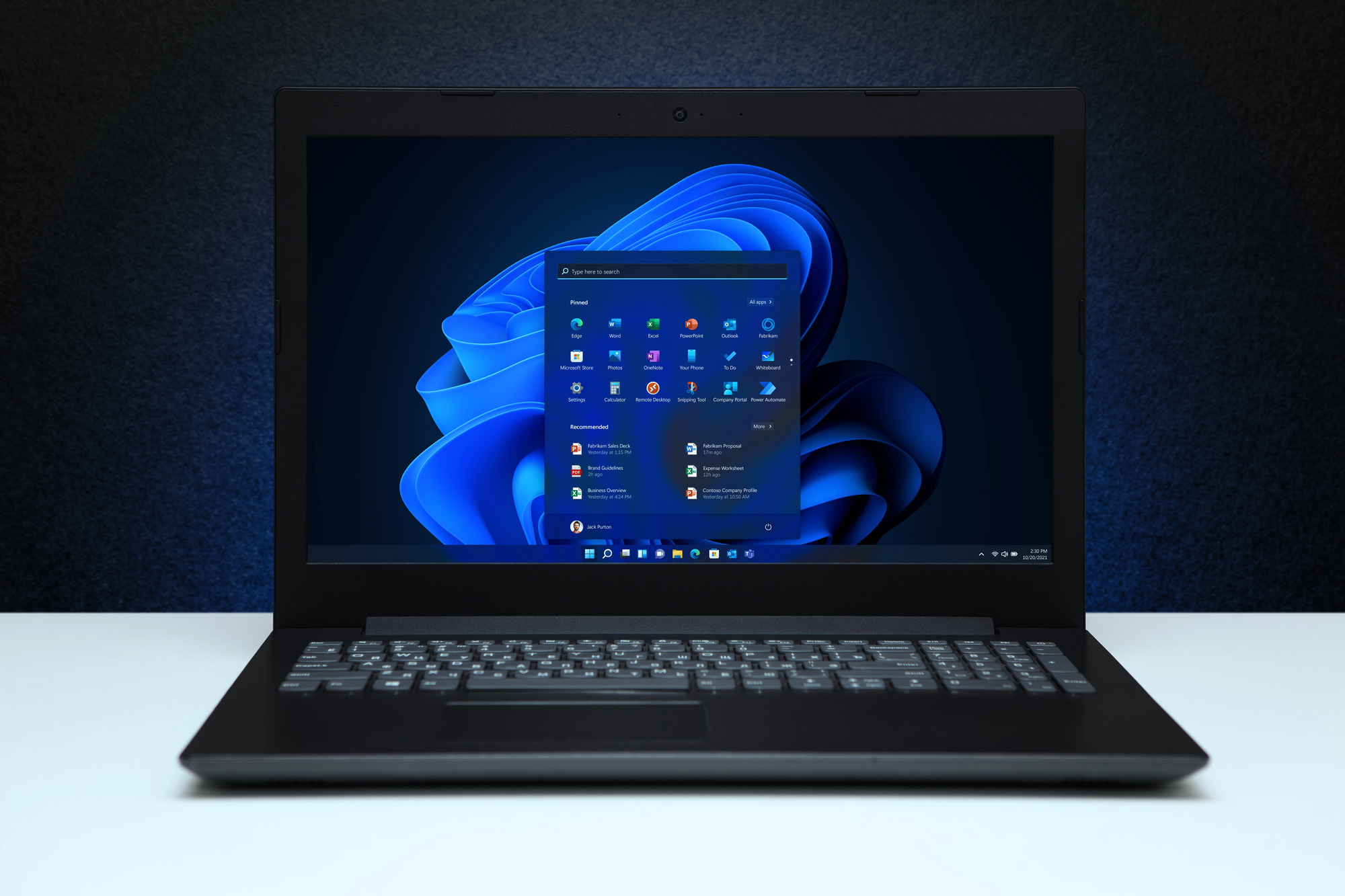
On 26 March Microsoft released an optional patch KB5079391 for Windows 11 versions 24H2 and 25H2 — with 29 changes, including improvements to Smart App Control, display, and Windows Hello reliability. According to Windows Latest, the update was available for download for only one to two hours: even before wide distribution, users began reporting an installation error en masse.
The next evening Microsoft officially paused the rollout.
«Rollout of this update is temporarily paused due to installation error 0x80073712»
— official Microsoft message on the KB5079391 support page
Error code 0x80073712 means that the Windows component store (CBS) cannot find or verify the files required for installation. The system starts the process, cannot complete it — and rolls back. In practice, for most people this looks like being "stuck" in an update loop. As Windows Central emphasizes, no PC was rendered unusable — but users also did not receive any update.
Not a single failure, but a series
Anyone who has been following Windows 11 over the past months knows: KB5079391 is no exception. According to Windows Latest, in 2025 Windows 11 had over 20 major update issues, and 2026 continued that trajectory from the very first weeks.
- December 2025: a broken update left some systems in an "incorrect state".
- January 2026 (KB5074109): BSOD with the UNMOUNTABLE_BOOT_VOLUME code on commercial PCs — as BleepingComputer found, caused by the previous December failure. Microsoft never disclosed the scope.
- February 2026: a cumulative update caused boot failures on some systems.
- March 2026 (KB5079473, Patch Tuesday): crashes, freezes and app failures — the company issued two emergency out-of-band patches within one week, according to TechBuzz.
KB5079391 is already the fifth significant incident in four months. Notably, this time it's a preview update: this category is supposed to be a "safe corridor" for testing before the main Patch Tuesday.
Why preview no longer protects
Microsoft's logic envisages a two-stage model: first optional preview updates are released at the end of the month, gather feedback — and only after that the fixed changes make it into the general Patch Tuesday. But if the preview is broken so badly that it's removed within two hours, the feedback cycle effectively doesn't happen.
The outlet WebProNews draws attention to another factor: in the tech community there's growing discussion about how reductions in Microsoft's engineering teams affect QA quality — and whether the company can maintain a reliable testing process while cutting costs.
Microsoft has not yet announced either the cause of the failure or a timeframe for the return of KB5079391. If the next Patch Tuesday in April comes without new emergency withdrawals — it will be the first clean month in a long time. If not — the question of whether these problems are systemic will stop being rhetorical.