Xiaomi Smart Band 10 Pro: NFC and Dual GPS for the first time — but there's a catch with the weight
Xiaomi officially announced the Smart Band 10 Pro along with a teaser ahead of the Xiaomi 17 Max launch. The main change is not in design, but in two debut components for the series: NFC for contactless payments and dual-band GNSS.

By Tetiana Suchkova-Ladik
May 13, 2026 · 2 min read
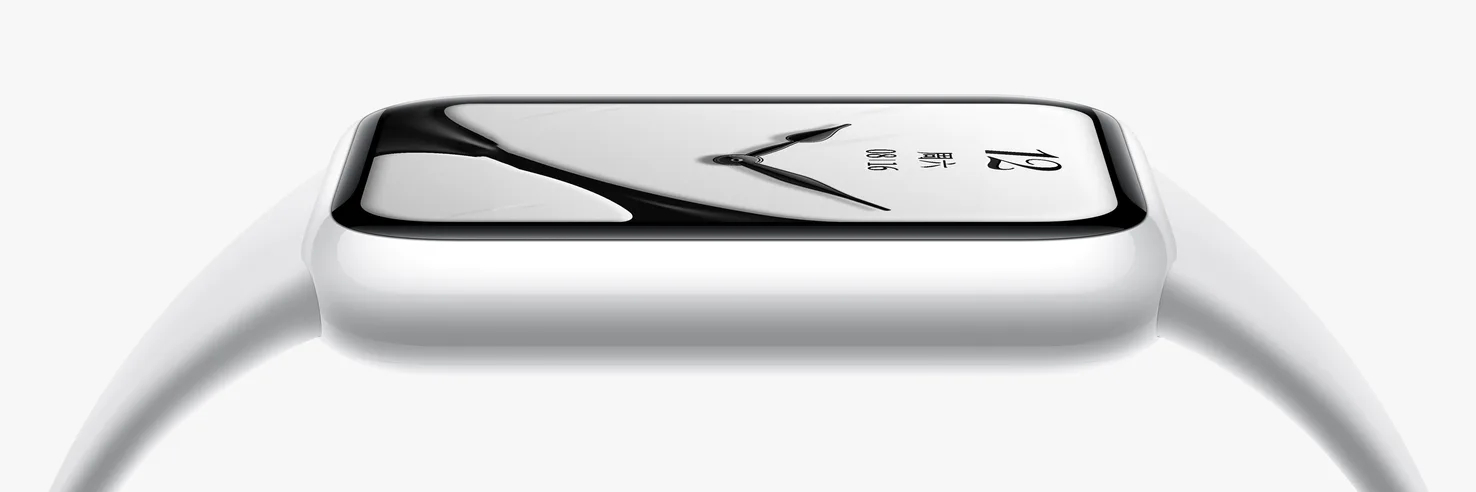
Xiaomi officially confirmed the Smart Band 10 Pro: the company published teaser images and partially revealed the specifications. The bracelet will be presented together with the Xiaomi 17 Max smartphone — expected by the end of May 2025.
What's Really New
CEO Lei Jun announced that the device weighs 21.6 grams, and the thickness is less than a centimeter. But the numbers are not the main news. For the first time in the Smart Band series, there will be NFC for contactless payments and dual-band GNSS — confirmation came through render leaks from journalist Roland Quandt.
Dual-band GPS is not a marketing upgrade: it improves positioning accuracy in urban quarters, forests, and anywhere signal reflects off obstacles. For runners and cyclists, this matters more than a new color palette.
"The appearance suggests that the company wants the Smart Band 10 Pro to be perceived closer to a budget smartwatch than to a traditional fitness bracelet."
9to5Google on Xiaomi's official teaser
Aluminum and Ceramic: One Choice Changes Everything
In addition to the standard aluminum version, a ceramic variant is expected. And here there is a specific compromise: the ceramic version will weigh over 50 grams — more than twice as heavy as the aluminum one. For comparison, the previous Smart Band 9 Pro weighed about 24.5 grams. Wearing a 50-gram bracelet all day is a different experience.
- Battery life: up to 14 days in standard mode, up to 20 days without Always-On Display
- Water resistance: 5 ATM (50 meters)
- Bluetooth 5.4
- Colors: black, white, silver, orange, pink + ceramic edition
Price: No Official Figures Yet
Xiaomi has not yet announced the price. Based on estimates from the previous Band 9 Pro and a typical 30–40% premium for Pro versions, the aluminum model will likely remain around $100. The ceramic variant is a different story.
If dual-band GNSS is confirmed in the official specifications, the Smart Band 10 Pro will become Xiaomi's first mass-market budget bracelet with genuine autonomous navigation. The question is whether the positioning accuracy in real conditions will be sufficient — or GPS will remain a marketing label, as has happened with cheap wearables before.



