Xiaomi Watch 5 launches worldwide on February 28: Wear OS, price about €329 and what it means for Europe and Ukraine
Xiaomi has officially confirmed the global release of the Watch 5 on the eve of MWC. The switch to Wear OS, a 1.54‑inch display and the estimated price raise questions about compatibility, updates and availability for the Ukrainian market — we examine why this matters.

By Tetiana Suchkova-Ladik
February 24, 2026 · 2 min read
Global premiere ahead of MWC
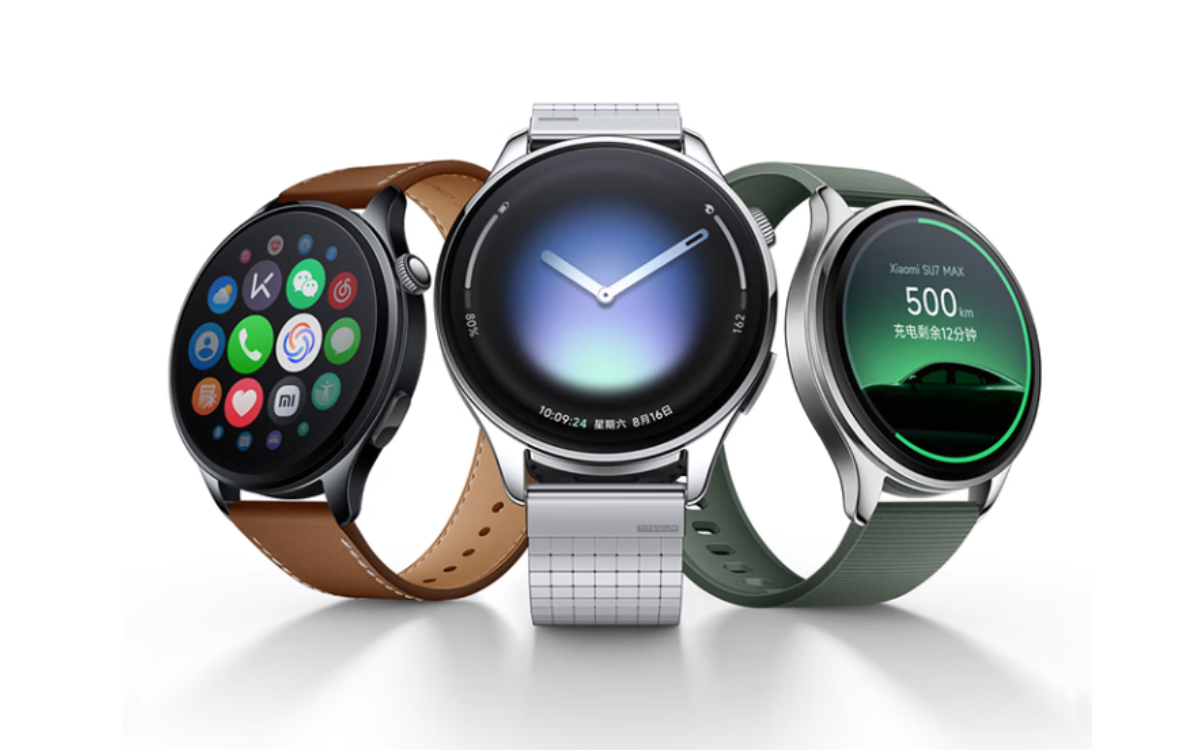
Xiaomi has confirmed that the international version of the Watch 5 smartwatch will be unveiled on February 28 during the "The New Wave of Imagery" presentation, ahead of the Mobile World Congress 2026. The device already debuted in China in December 2025 — now the company is bringing it to the global market with several key changes.
"The international version of Watch 5 will debut on February 28 during our global presentation."
— Xiaomi, official statement
Key technical difference — why it matters
The most important distinction of the international model is the replacement of the proprietary Chinese platform with WearOS. This is not just a technical detail: for users it means a wider app ecosystem, easier integration with European services, and a more familiar update process. Analysts note that the switch to WearOS simplifies using the watch together with Android smartphones, which dominate the European and Ukrainian markets.
Screen, battery and price — how much you'll have to pay
According to announced specifications, the Watch 5 features a 1.54‑inch AMOLED and will be able to run "several days" without recharging. Early leaks put the estimated European price at around €329. For Ukrainian buyers this means: with official import the cost could be competitive compared to premium brands, but the final appeal will depend on local taxes, warranty support and service.
Xiaomi ecosystem: more than just a watch
At the same event Xiaomi will also present the flagship smartphone series Xiaomi 17, the Pad 8 tablets and other ecosystem devices. The company also announced an affordable AirTag‑like tracker and a universal 140 W charging station with eight ports (priced at about $42). For consumers this signals that Xiaomi is expanding its ecosystem, where the watch becomes part of a set of devices that easily interact with each other.
What this means for Ukraine — practical context
First, the move to WearOS increases the chances of full support for local services and the Ukrainian language in the interface. Second, the estimated price makes the Watch 5 an interesting option for those seeking a balance between functionality and cost. Third, the question of official supply and warranty will be important — this will determine the speed of service support and access to updates without intermediaries.
Conclusion
February 28 will be an indicator of how ready Xiaomi is to compete in Europe and Ukraine not only on price, but on platform support as well. The switch to WearOS makes the Watch 5 more attractive for regions with a developed Android ecosystem — but the ultimate effect will depend on local availability, warranties and regular updates. Follow the presentation: official announcements should be followed by contracts with carriers and distributors that will decide whether the Watch 5 will appear in our stores at a reasonable price.