Xiaomi Watch S5: eSIM and up to 21 days of battery life — what it means for users
Xiaomi unveiled the Watch S5 in China — a lightweight smartwatch with a 1.48-inch AMOLED display, eSIM support, and up to 21 days of battery life. We break down the real benefits these features offer and why it's worth knowing about them today.

By Tetiana Suchkova-Ladik
March 20, 2026 · 2 min read
Briefly: the essentials
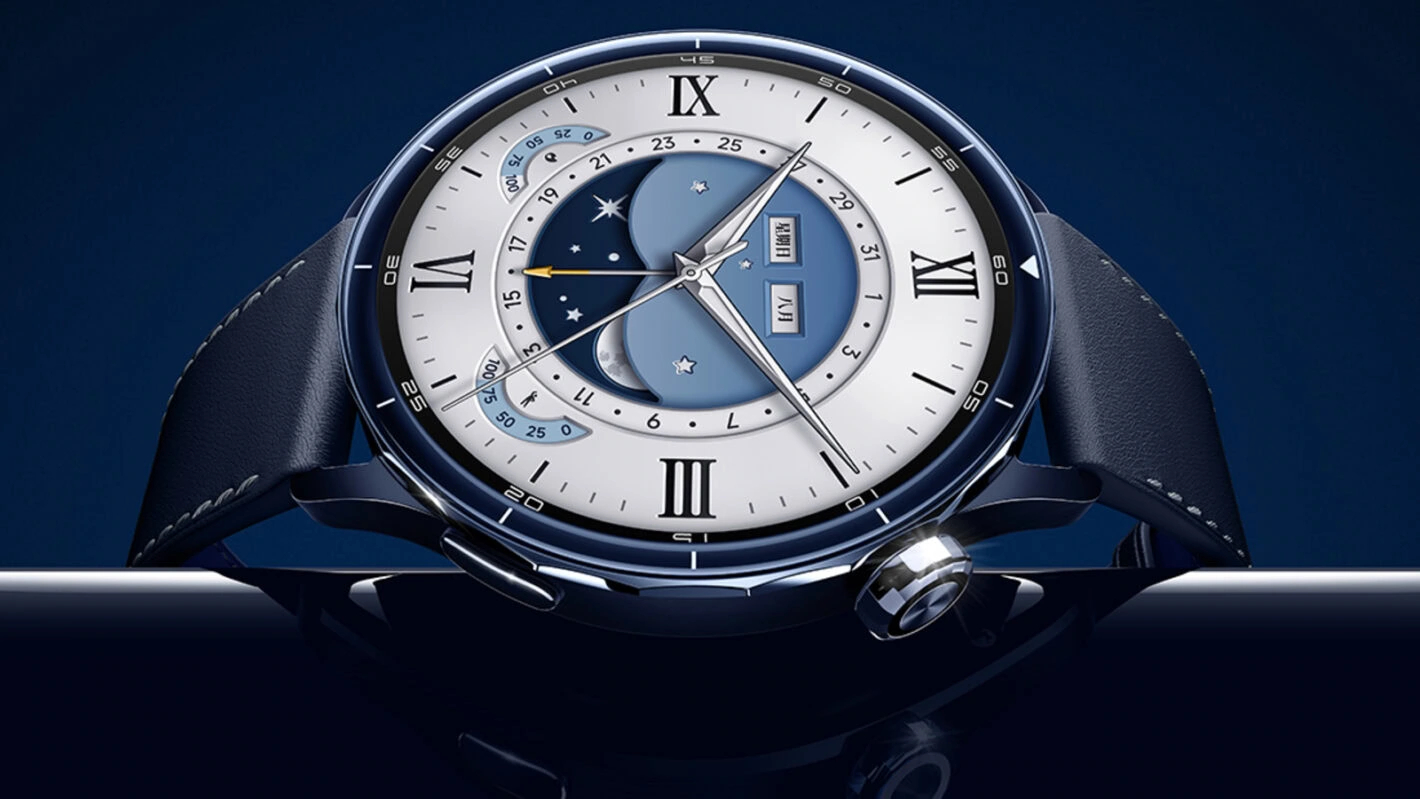
Xiaomi has announced the Watch S5 — the successor to the S4 model. The device combines a large display, long battery life and an eSIM option that lets you stay connected without a smartphone. This isn’t just a design refresh: solutions like this shift expectations for wearables in the mid‑price segment.
Technical details
The watch has a lightweight body weighing 46 g and a 1.48‑inch AMOLED display with a resolution of 480×480 pixels. Brightness reaches 1500 nits in normal mode and up to 2500 nits at peak, which is useful in bright sunlight.
Protection — 5ATM. Controls — a physical crown and a button. Navigation uses dual‑band GNSS; the updated sensor system provides up to 98.4% accuracy in heart rate measurement.
Health and activity features include sleep monitoring (algorithm 2.0), blood oxygen (SpO2), blood pressure, step and calorie counting, menstrual cycle tracking and fall detection. More than 150 sports modes and automatic workout detection. Sensors include an accelerometer, gyroscope, barometer and magnetometer; breathing exercises and continuous stress monitoring are also available.
The 815 mAh battery provides up to 21 days of operation or up to 9 days with the always‑on display enabled. There is an eSIM version that allows making calls without a smartphone.
"The eSIM version allows making calls without a smartphone."
— official Xiaomi press release
Price and availability
The base model is priced from 1099 yuan (~$160), the eSIM version from 1299 yuan (~$189). Sales are starting in China for now.
Market context
The update follows a broader trend: competitors like Oppo with the Watch X3 also offer eSIM and titanium cases. According to manufacturers and market reviews, Xiaomi has reclaimed the lead in the smartwatch and fitness‑band market for the first time since 2020 — indicating growing competition in the more affordable device segment.
Why it matters for users in Ukraine
The combination of long battery life and eSIM has practical value: for people who travel frequently, spend time outdoors, or face power outages, the device can serve as a backup means of communication and health monitoring. For Ukraine’s electronics market it’s also a signal — technologies that were once premium are moving into the mid‑range faster.
Conclusion
The Watch S5 is not a revolution, but a steady step toward autonomous, multifunctional wearables at a moderate price. For consumers, key questions are how quickly this model will become available outside China and how the device will prove its claimed specifications in real‑world conditions.