Pixel Fold's outer screen turns black after Android update — and it's not hardware
An Android update has broken the external display of the first Pixel Fold in software: the screen is active during boot, but turns off as soon as the system starts. Google remains silent — users found a solution on Reddit.

By Tetiana Suchkova-Ladik
May 22, 2026 · 2 min read
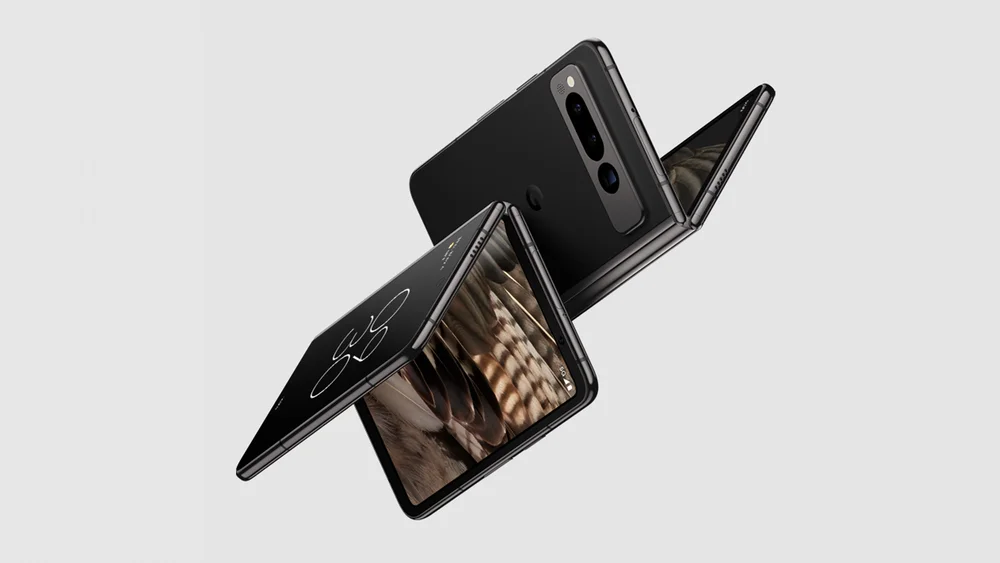
Owners of the first-generation Google Pixel Fold encountered a problem that looks like a hardware failure, but isn't one. After one of the latest Android updates, the external display stops working — but only after the system boots completely.
The Screen is Alive. The System Disables It
The key detail that's easy to miss: during startup, the external screen normally displays the Google logo. Once Android finishes loading — the display goes dark and no longer responds. This means that the matrix is intact, and something in the software part of the system deactivates the screen after startup.
According to Android Authority, the behavior is inconsistent: initially the glitch occurs intermittently and disappears after a restart, so users don't take it seriously for a long time. But over time, the problem becomes permanent — especially after a complete battery drain.
A Reddit user named Chahine_sama, who first described the bug in detail, tried everything standard: safe mode, resetting app settings, checking hidden display parameters. Nothing helped.
What Actually Works — and Why This is a Worrying Signal
The community found a workaround before Google responded. The app Fold Switcher, available on GitHub and F-Droid, allows you to switch a system parameter to "Rear Display" mode — and the external screen comes back to life without any complicated manipulations.
"This isn't a single case. Another user reported the same symptoms after the April update"
Android Headlines
The problem is noteworthy for another reason: the first-generation Pixel Fold cost $1,799 at launch. For a device in this price segment, a regression in an update that physically prevents the use of half its functionality is not a minor bug. It's a change in the device's class.
Google Remains Silent
As of now, the company has not publicly acknowledged the issue and has not announced a fix. This is especially noticeable given that the first-generation Pixel Fold is no longer sold and has been officially replaced by newer models — meaning Google has no commercial incentive to rush a patch.
If the company doesn't release a targeted fix before the next monthly security patch, first Pixel Fold owners will face a choice: rely on an unofficial tool from a third-party repository or accept that their flagship complex smartphone has turned into a tablet without a cover.



