Registrar Without a Building and Permits: How a City Council Official Tried to Seize Defense Plant Land Using Forged Technical Passports
# Translation In February 2022, the head of the registration department of one of the city councils in Ternopil region registered ownership of non-existent construction objects — as a result, lands of a state defense enterprise worth 15.7 million hryvnias almost transferred to private structures. The investigation lasted for years, and the scheme turned out to be simple: fake documents plus one registrar's signature.

By Tetiana Suchkova-Ladik
May 25, 2026 · 2 min read
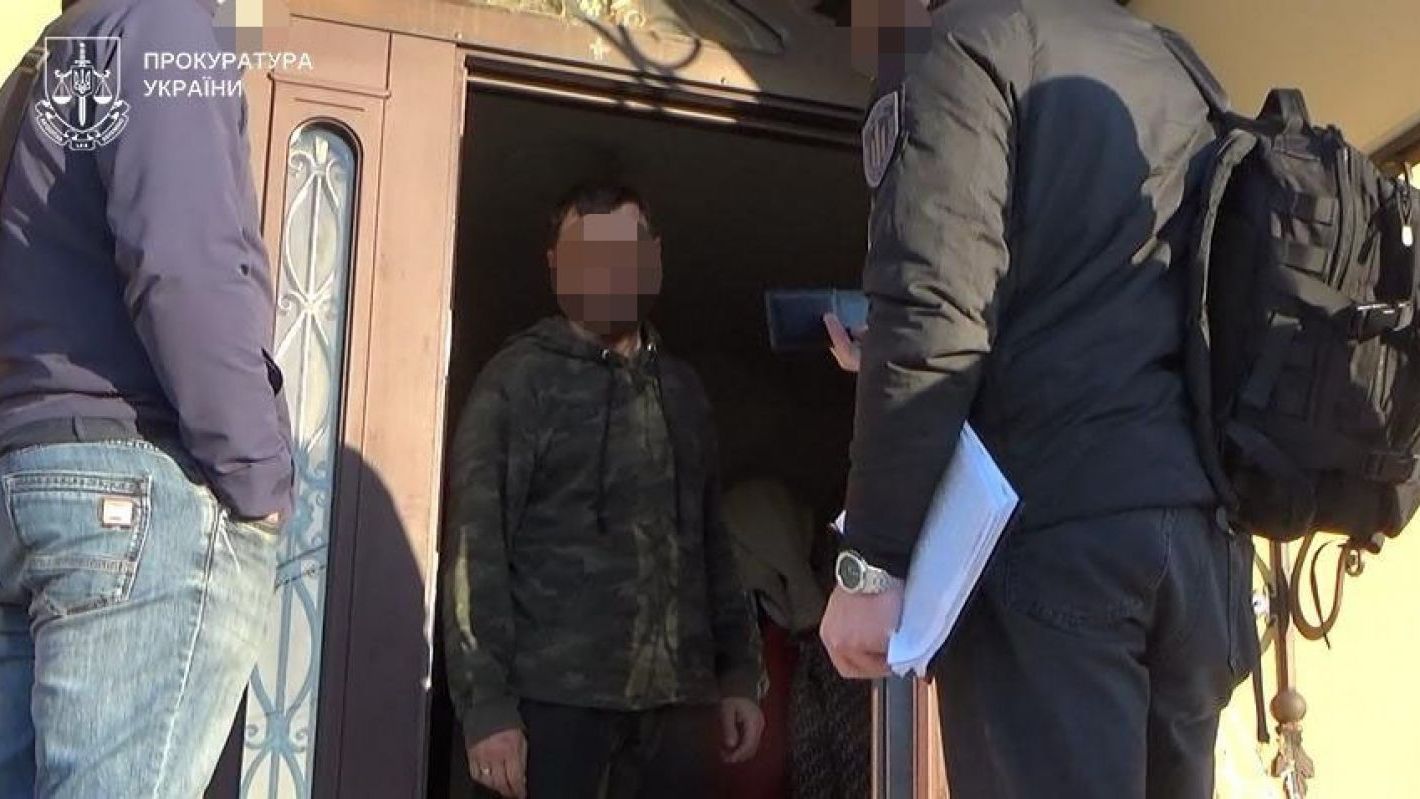
When Russia launched a full-scale invasion in February 2022, the head of the registration department of one of the city councils in Ternopil region was signing papers of a completely different nature. According to the investigation, it was then that he registered property rights to several "incomplete construction objects" — which did not physically exist — on land plots of a state defense enterprise.
Houses on paper, land in reality
The scheme established by the investigation is technically simple but effective. The basis for registration actions were forged documents: technical passports, joint activity contracts, and address assignment certificates, which were never actually issued. According to the case materials, the registrar did not verify either the presence of construction permits or rights to the land plot.
When investigators arrived at the site, no construction objects were found there. Empty plots. However, property rights to the "buildings" had already been registered under private structures — and along with it, a path opened to claims on the land itself.
"The registrar did not properly verify the submitted documents and failed to identify the absence of construction permits and land rights"
— Office of the Prosecutor General of Ukraine
According to independent expert assessments, the market value of land plots that were to come under the control of private firms amounts to over 15.7 million hryvnia.
Why this is not ordinary corruption
The key context is the status of the enterprise. This concerns an object of the defense-industrial complex: a state structure that, in the conditions of a full-scale war, is part of the army's production and logistics infrastructure. Capturing its land — even "on paper" — creates legal conflicts regarding the use of plots and potentially complicates construction, expansion, or modernization of facilities.
The timing is also telling: the registration actions are dated February 2022 — precisely the month when the state apparatus was in shock from the invasion and the attention of controlling bodies was maximally diverted from registration registers.
What charges are brought
- Unauthorized actions with information in automated systems (property register)
- Official forgery or complicity in it — through the use of documents bearing signs of falsification
- The case is being conducted by the Ternopil Regional Prosecutor's Office under procedural supervision
The city council official has been notified of suspicion. It is currently unknown whether persons who provided the forged documents have been identified, and whether there are suspects among the beneficiaries of the private structures to which the property was registered.
If the investigation proves that the registrar acted not independently but in the interests of a specific customer of the scheme — the case could expand to an organized group. But so far, only one person has been publicly named.



