Ukraine begins process to restructure $2.6bn of GDP warrants
The Ministry of Finance announced the launch of a procedure to exchange state derivatives from 2015. Investors were offered the option to swap GDP-linked warrants for new eurobonds and to receive cash payments.

By Tetiana Suchkova-Ladik
December 2, 2025 · 2 min read
Ministry of Finance announces start of restructuring
The Cabinet of Ministers of Ukraine has officially launched the procedure to restructure state VVP warrants issued during the 2015 debt operation. This is stated on the Ministry of Finance's website.
The statement notes that the decision was made after the third round of closed negotiations with the special committee of warrant holders, which took place 25–30 November and allowed the parties' positions to come significantly closer.
What investors are being offered
Ukraine is offering all warrant holders an exchange of these instruments for a combination of new Series C Eurobonds and cash payments.
For every $1000 of face value, investors can receive $1340 in new Eurobonds maturing in 2030–2032 (instead of the current 2041). The coupon rate for these bonds will gradually increase from 4% to 7.25%.
A cash payment and a consent fee are also provided. The largest payments will go to investors who accept the offer by 12 December.
Timeline of the transaction
The exchange period will run until 17 December, and the completion of the restructuring is scheduled for 29 December. At least 75% support from VVP warrant holders is required for the transaction to succeed.
Why the restructuring is necessary
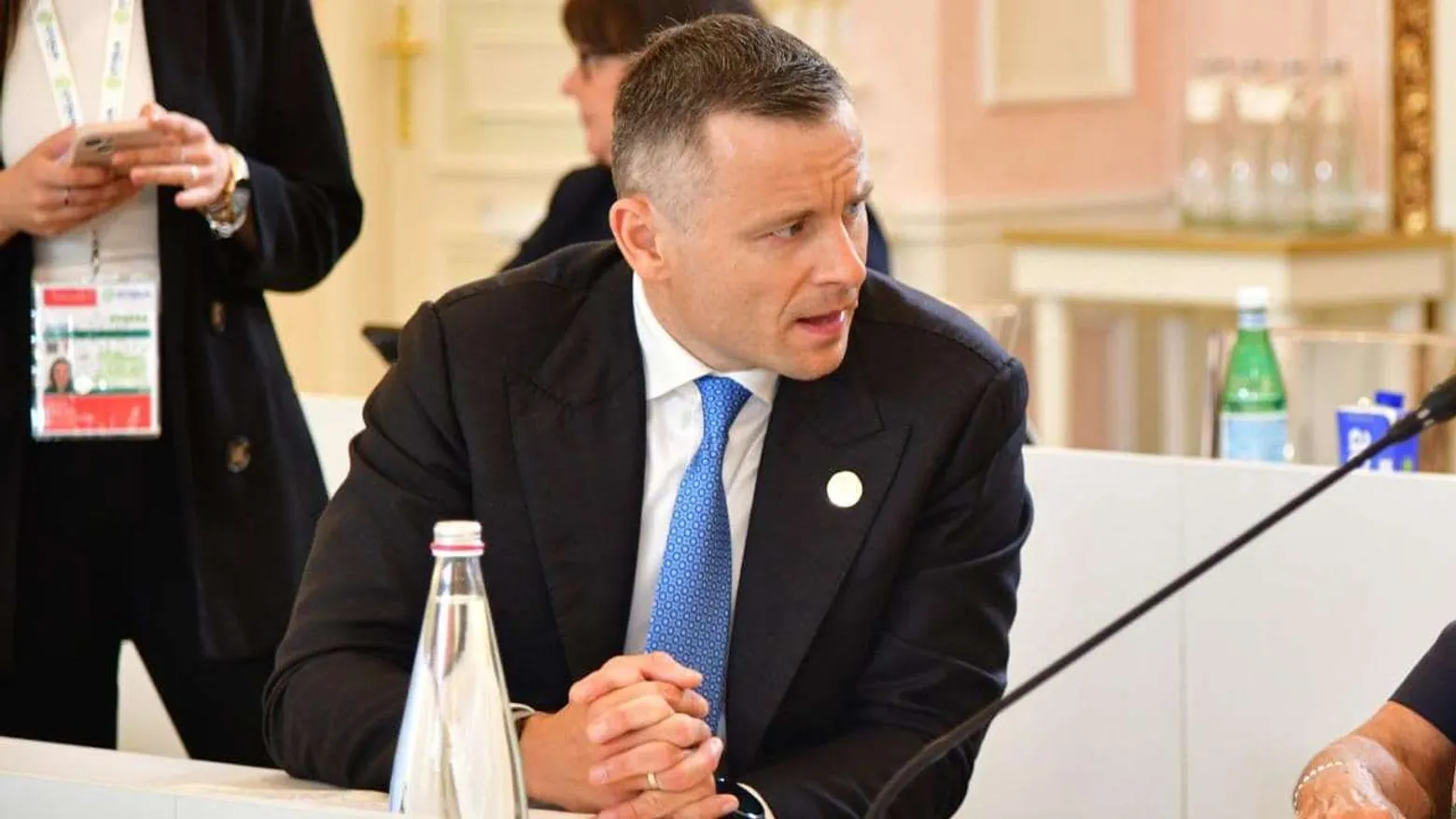
Finance Minister Serhii Marchenko explained that VVP warrants are an instrument «of another time» that, under conditions of war, have become a source of significant fiscal risks.
«Without restructuring, Ukraine risks paying billions of dollars for post-war economic recovery, diverting vital funds from defense, reconstruction and social spending,»
– Marchenko said.
How much debt is subject to exchange
Private investors hold VVP warrants totaling about $2.6 billion. Another $648 million are owned by Ukraine or entities controlled by it.
Other Ukrainian debt operations
In addition to VVP warrants, Ukraine needs to complete the restructuring of state-guaranteed Ukrenergo Eurobonds of $825 million — this deal was preliminarily agreed in April, but its completion has been postponed until 2026.
The restructuring process of Cargill's $0.7 billion external commercial loan is also ongoing.
Ukraine completed the main restructuring of its external commercial debt of $20.5 billion in September 2024.