60 Days and Deferred Nuclear Question: What the US-Iran Deal Actually Contains
Oil fell 6% not because a deal was signed — but because markets believed in its possibility. However, key disagreements remain unresolved, and Iran's nuclear program remains outside the scope of the first phase.

By Tetiana Suchkova-Ladik
May 25, 2026 · 2 min read
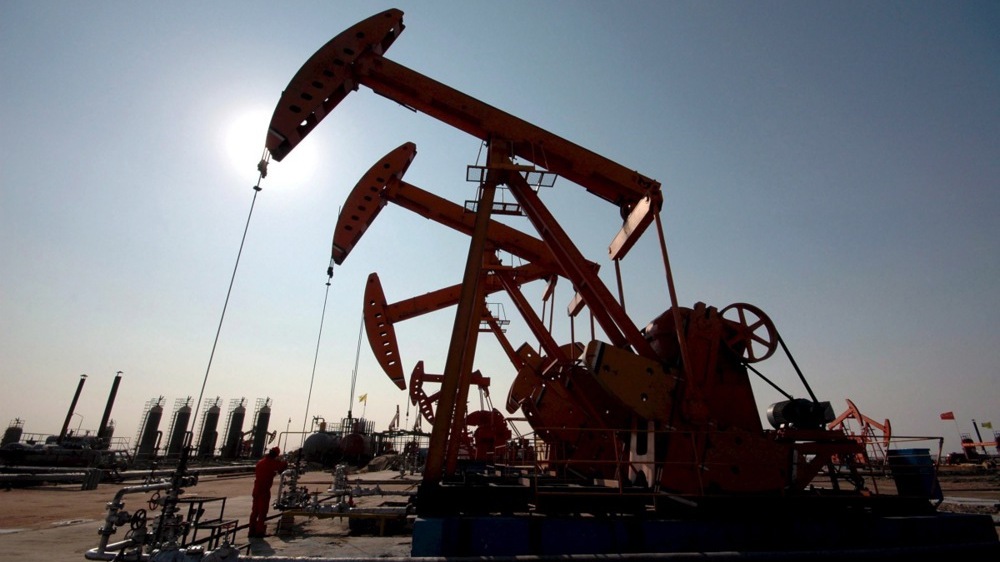
On May 25, oil prices reached a two-week minimum: Brent fell 5.7% — to $97.69 per barrel, and American WTI — by 6%, to $90.85. This is a market reaction to news of a possible deal between Washington and Tehran that could unblock the Strait of Hormuz — the narrow chokepoint of global oil transit.
What is known about the deal's content
According to Axios, which was confirmed by regional officials in an Associated Press report, the deal provides for a 60-day ceasefire: Iran demines the strait and opens it without any fees, the US removes the blockade of Iranian ports and provides sanctions exceptions for the sale of Iranian oil. Nuclear negotiations — a separate track that would start after the strait's opening.
"Significant, though not final, progress has been achieved"
— Secretary of State Marco Rubio, during a visit to India on May 24
Trump, in turn, wrote on social media that he is not in a hurry and that the deal is "not even fully agreed upon." The blockade of Hormuz, according to him, will continue until the final document is signed.
Where the real differences lie
The main stumbling block is enriched uranium. The US demands that Iran transfer or destroy its highly enriched uranium stockpiles — this was Trump's red line from the beginning of negotiations. Iran has publicly made no commitments on this issue, and Tehran has denied any reports of agreement to transfer stockpiles.
Pakistan is acting as a mediator: it was through Islamabad that the American "15-point proposal" was transmitted in March, and at the end of April — the updated Iranian response. Iran's leadership, according to Axios sources, remains internally divided on which nuclear concessions are acceptable.
- US demands: elimination of the nuclear program, limitation of missile arsenal, opening of Hormuz without fees, cessation of support for armed groups
- Iran proposed: opening of the strait and ceasefire — with nuclear negotiations postponed to a later stage
- Current status: 60-day framework fixed, but details and timelines "have to be agreed upon later"
Why markets reacted so sharply
The Strait of Hormuz accounts for approximately 20% of global maritime oil traffic. Its blockade since the start of the conflict has kept Brent prices above $100. Even a partial prospect of unblocking triggers a reassessment of the risk premium in barrel prices — hence the 6% in a single session without any signed document.
But this logic has a downside: if negotiations reach a deadlock — especially over the nuclear issue — prices could rebound just as sharply. The week before May 22, Brent had already lost more than 5% amid "progress signals" that repeatedly turned out to be inconclusive.
The deal, as described by regional officials, is essentially a ceasefire with the main issue deferred: 60 days to reach agreement on what the negotiations depended on from the start. If the parties do not agree on the fate of Iranian uranium within this time, will Tehran have an incentive to continue making concessions — or will it simply use the window to resume oil trade?



