Missiles for Scrapping — to Ukraine. Foreign Ministry Negotiating Fighter Interceptors with Expiring Service Life
# Instead of Return or Destruction — Transfer to the Front. Diplomats Seek Non-Standard Way to Close Patriot Missile Deficit Diplomats are exploring unconventional methods to address the shortage of Patriot air defense system missiles by redirecting them to the front instead of returning them to manufacturers or destroying them.

By Tetiana Suchkova-Ladik
June 10, 2026 · 2 min read
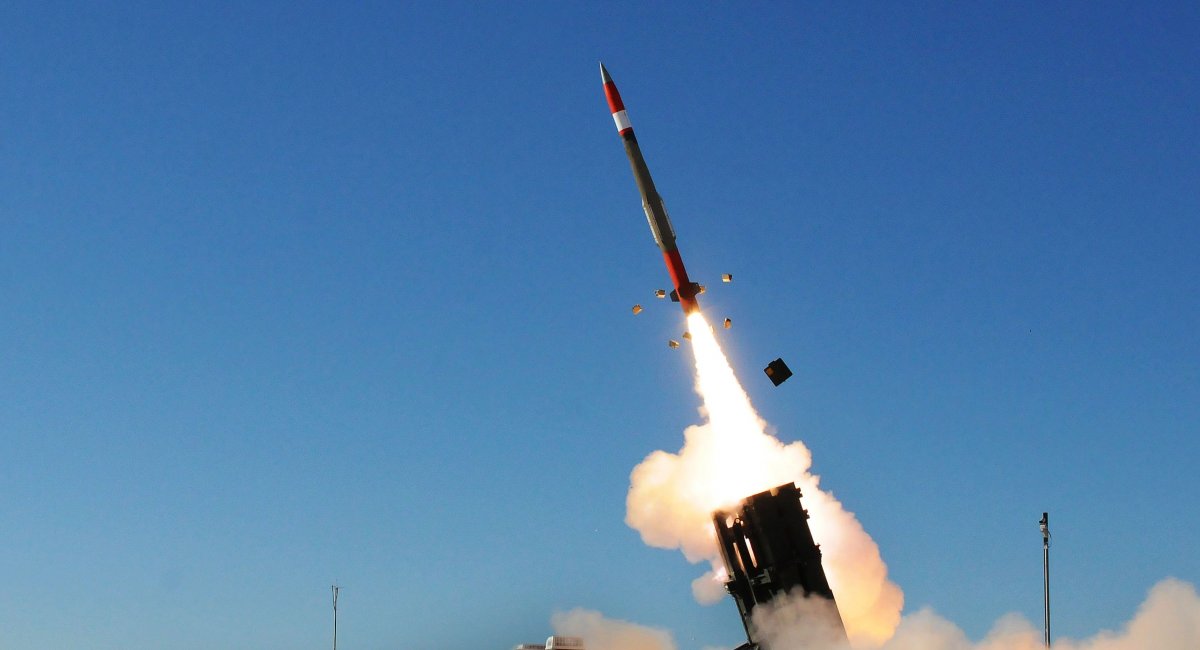
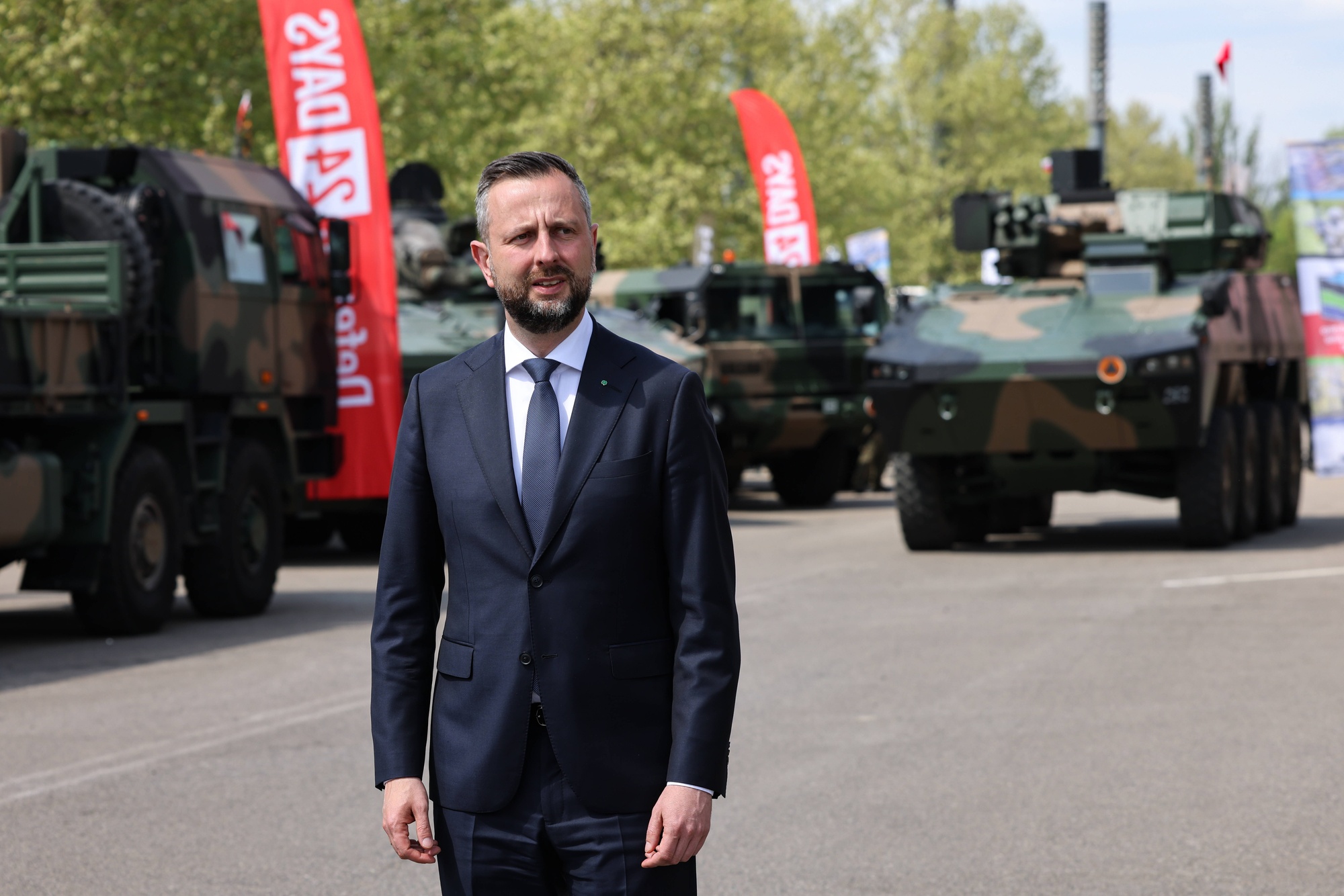
Ukraine has proposed to its partners a logical but not yet implemented exchange: interceptor missiles that expire after a certain period would be transferred to Ukrainian air defense instead of being disposed of. This was explained on June 10 at a briefing by Heorhiy Tykhyi, spokesman for the Foreign Ministry.
"What is the point of returning missiles with expired service lives to the manufacturer or scrapping them?"
Heorhiy Tykhyi, spokesman for Ukraine's Foreign Ministry
When asked directly whether this concerns missiles for the Patriot system — specifically PAC-2 and PAC-3 — Tykhyi responded: "Both of those, and something else too." The countries involved were not named. Negotiations are ongoing.
How This Channel Emerged
Tykhyi linked the new arrangements to President Zelenskyy's recent visits to London and Tallinn: according to him, during these trips, a "series of new decisions on air defense" were reached. The search for missiles with expiring service lives is one element of these arrangements.
The mechanics are straightforward: NATO countries have stockpiles of interceptors that are subject to return to the manufacturer or destruction under standard procedures once their certified service life expires. For an ally in active warfare, these missiles remain combat-ready. The question lies in the willingness to transfer them and the financing of logistics.
Context: The Shortage Is Real
The request is not abstract. Yuriy Ihnat, head of communications for the Air Force, previously described the state of Patriot systems in Ukraine as "starvation rations": launch vehicles are half-empty, crews are forced to economize, firing one interceptor where tactics call for two. In winter 2025-2026, Russia launched over 250 ballistic, aeroballistic, and hypersonic missiles at Ukraine.
- Global production of PAC-3 MSE in 2025 reached 620 units — a record, but insufficient even to meet demand from allies.
- The United States has suspended new Patriot deliveries to Ukraine due to depletion of its own stockpiles.
- The Middle East conflict consumed over 800 interceptors in the first days of operations, intensifying competition for the same market.
What Remains Unknown
The Foreign Ministry has not disclosed the number of missiles, specific partners, or timelines. Tykhyi only confirmed that negotiations are active and that Foreign Minister Andriy Sybiha is pushing this issue as the number one priority at all meetings. Financing for part of the arrangement has already been found, the rest is in progress.
The approach is tactically sound, but has a bottleneck: missiles with expiring service lives are a one-time resource, not a systemic solution. If negotiations conclude with a signature but without a transparent mechanism for transfer and verification of quantities, Ukraine will receive another announcement instead of ammunition. Will diplomatic pressure be enough to turn the "series of new decisions" from Tallinn into concrete deliveries by late summer?