250 ballistic missiles in one winter — and only one interceptor per missile: how Ukraine defends itself against a threat it has almost nothing to counter
Chief of the General Staff Andriy Hnatov has called air defense a critical deficit — and the figures confirm it: over three years, Ukraine has received approximately 600 Patriot interceptors, while Russia alone fired ~250 ballistic missiles last winter.

By Tetiana Suchkova-Ladik
June 10, 2026 · 2 min read
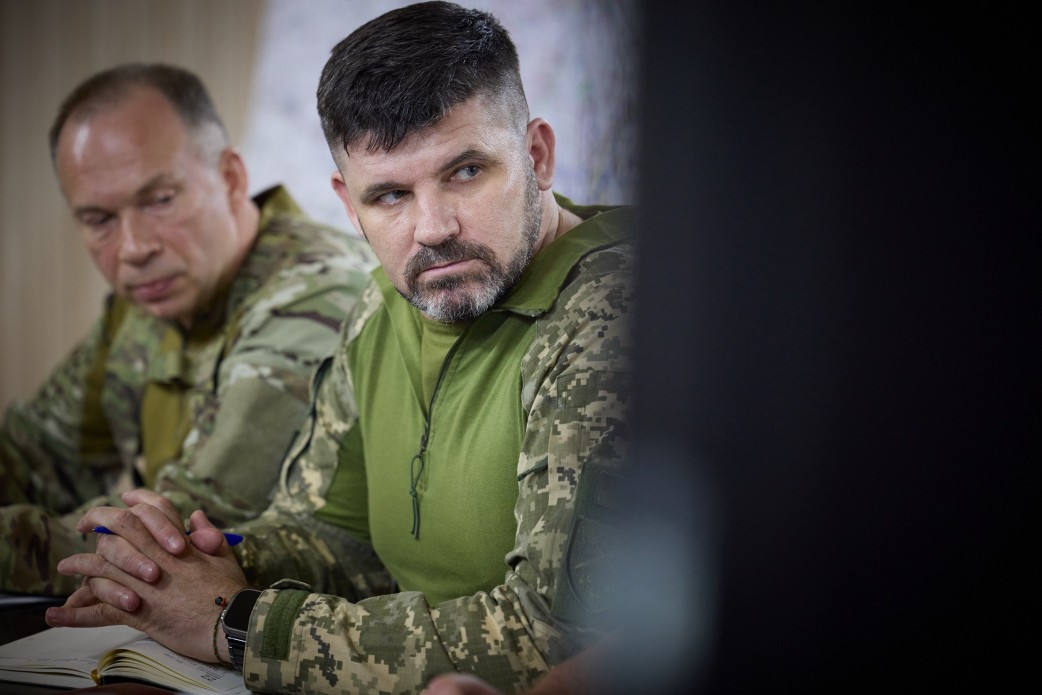
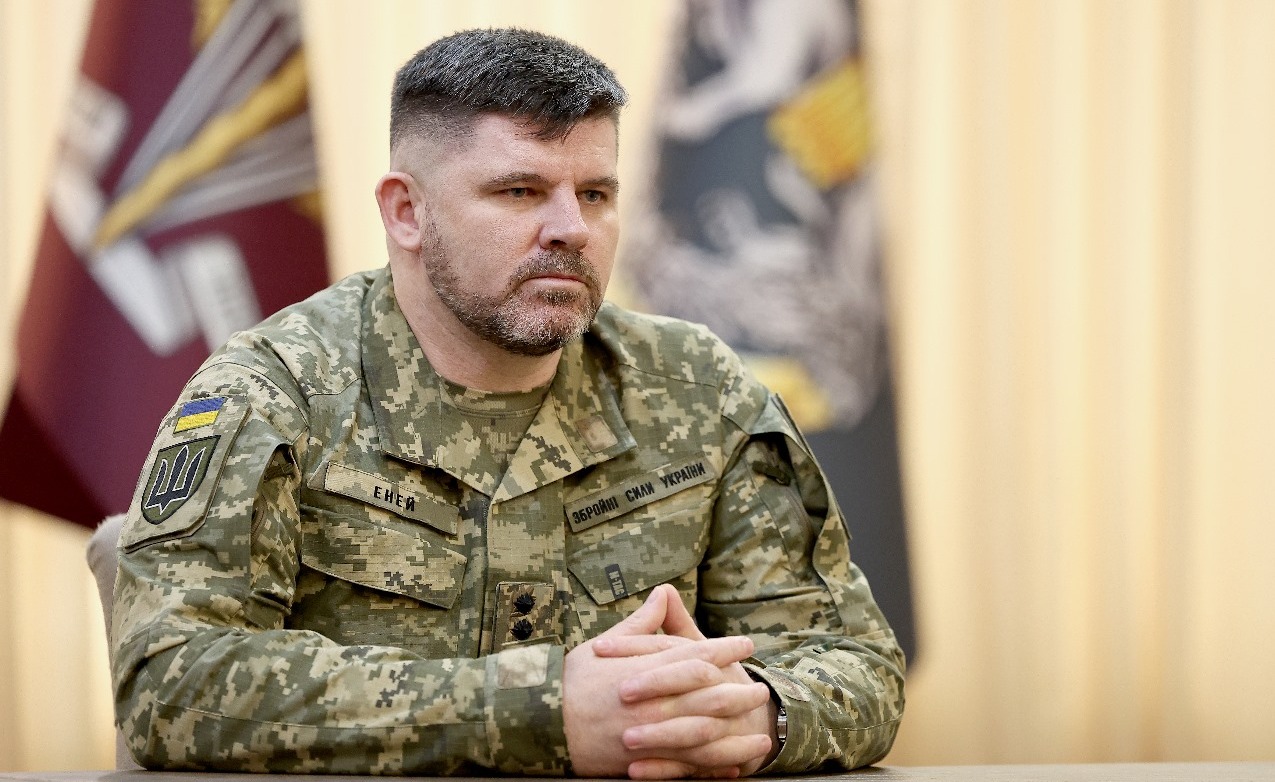
Chief of the General Staff of the Armed Forces of Ukraine Andrii Hnatov called the deficit of air defense systems against ballistic missiles the biggest military challenge for Ukraine today in an interview with LIGA.net. While this statement sounds like a diplomatic signal to partners, specific data transforms it into an arithmetic problem.
One interceptor per one missile — already a luxury
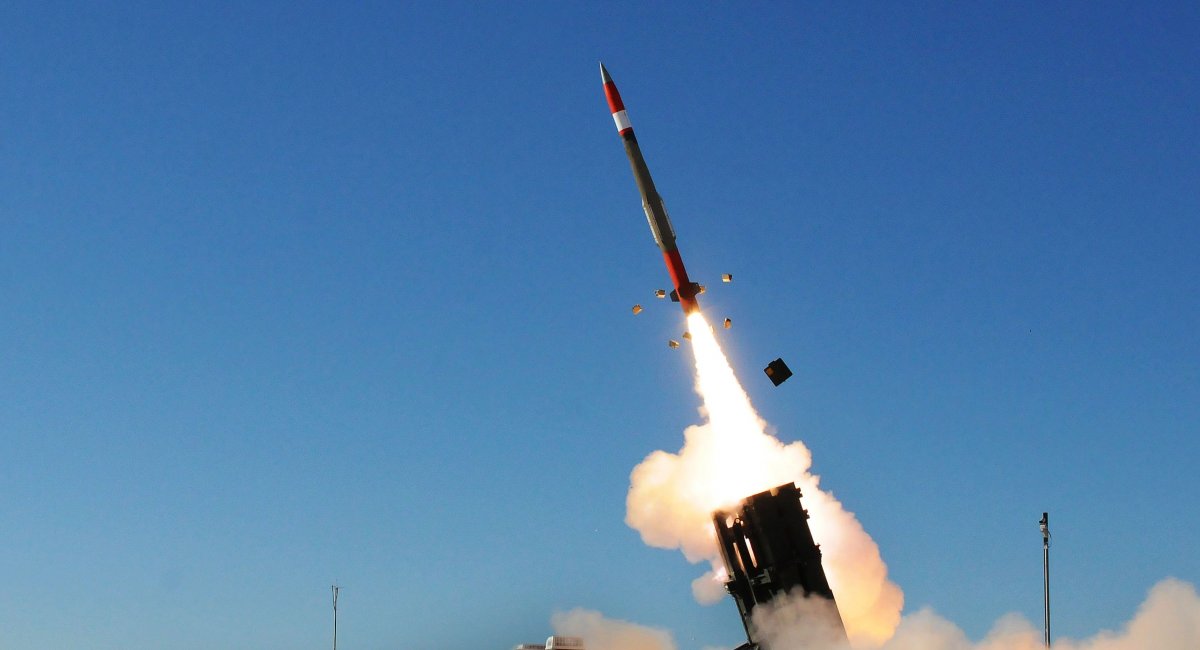
Over three years since Ukraine received its first Patriot systems in spring 2023, ammunition supplies have been uneven, and the deficit has become chronically critical. During winter 2025–2026 alone, Russia launched approximately 250 ballistic, aeroballistic and hypersonic missiles against Ukraine — while over three years the country received only about 600 Patriot interceptors in total.
The deficit forced Ukrainian Patriot operators to expend only one MSE rocket interceptor per ballistic target. For comparison, in Qatar during the interception of Iranian ballistic missiles, 15–16 interceptors were fired against one to four targets.
"First and foremost, this concerns Russian ballistic weapons. Unfortunately, the means we have are insufficient. We have a constant, critical deficit of systems capable of shooting down the enemy's ballistic weapons."
Andrii Hnatov, Chief of the General Staff of the Armed Forces of Ukraine, interview with LIGA.net
Where Patriot stands — they defend. Where it doesn't stand — it gets hit
Russia increasingly uses ballistic missiles outside the coverage zones of Patriot and SAMP/T — that is, it strikes areas where Ukraine deliberately does not deploy systems due to their shortage. In recent months, the use of ballistic weapons against targets on the front line and in the immediate rear has increased — areas where Patriot is physically absent.
The lack of systems forces Ukraine to prioritize deployment much deeper in the rear, leaving frontline targets naturally unprotected. It is known that only a few major cities and critical infrastructure facilities are under protection — most remain defenseless.
PAC-3 or cheaper alternative
The main focus is on PAC-3 missiles — they are considered the most effective for intercepting ballistic threats as part of the Patriot system. The problem is price and production rates: Washington was not satisfied with promises to produce 2,000 Patriot rockets by 2033 — they are needed now.
In parallel, Ukraine is seeking asymmetric solutions. The Cascade startup developed the Lima electronic warfare system costing approximately €58,000 per installation, capable of jamming and redirecting drones and missiles — and has already delivered over 400 such systems. However, against ballistic missiles with inertial guidance, radio jamming works only partially.
- May 2025: according to Hnatov, Russia employed tens of thousands of air attack weapons in one month
- Winter 2025–2026: approximately 250 ballistic missiles in one season — with a total supply of approximately 600 interceptors over three years
- Result: operators are forced to fire one interceptor instead of the standard 4–6 per target
According to RBC-Ukraine, Zelenskyy regularly raises the issue of air defense missiles and ballistic interceptors in his evening addresses. However, public pressure does not automatically convert into supplies — the production rate of PAC-3 in the United States is physically limited.
If partners do not increase PAC-3 MSE supplies by the end of 2025, Ukraine will effectively face a choice: defend Kyiv or Kharkiv — but not both cities simultaneously.