"Order in Limbo: Warsaw Gave Kyiv Time — But Didn't Say How Much"
After an eight-hour meeting, the Chapter of the Order of the White Eagle transmitted its conclusion to Nawrocki. He will make a decision "at the appropriate time" — a formulation that guarantees nothing to either side.

By Tetiana Suchkova-Ladik
June 10, 2026 · 3 min read
On May 26, President of Ukraine Volodymyr Zelensky signed Decree No. 440/2026: the Separate Center of Special Operations "North" of the Special Operations Forces was awarded the honorary name "in the name of the Heroes of the UPA." The formal justification was "restoration of historical traditions of the national armed forces." Warsaw's reaction did not take long.
What happened after the decree
Poland reacted in confusion and loudly at the same time. The Foreign Ministry summoned Ukrainian Ambassador Vasyl Bodnar and issued an official protest. The far-right Confederation immediately demanded that the order be revoked. Lech Wałęsa — Nobel laureate and long-standing supporter of Ukraine — announced that he was removing the badge in the colors of the Ukrainian flag, which he has worn since the start of the full-scale invasion.
On May 29, Polish President Karol Nawrocki announced that he was initiating the stripping of Zelensky of the Order of the White Eagle — the country's highest state decoration, awarded to the Ukrainian president in 2023 by then-head of state Andrzej Duda. Nawrocki called Kyiv's decision a "demonstration of unpreparedness for EU accession."
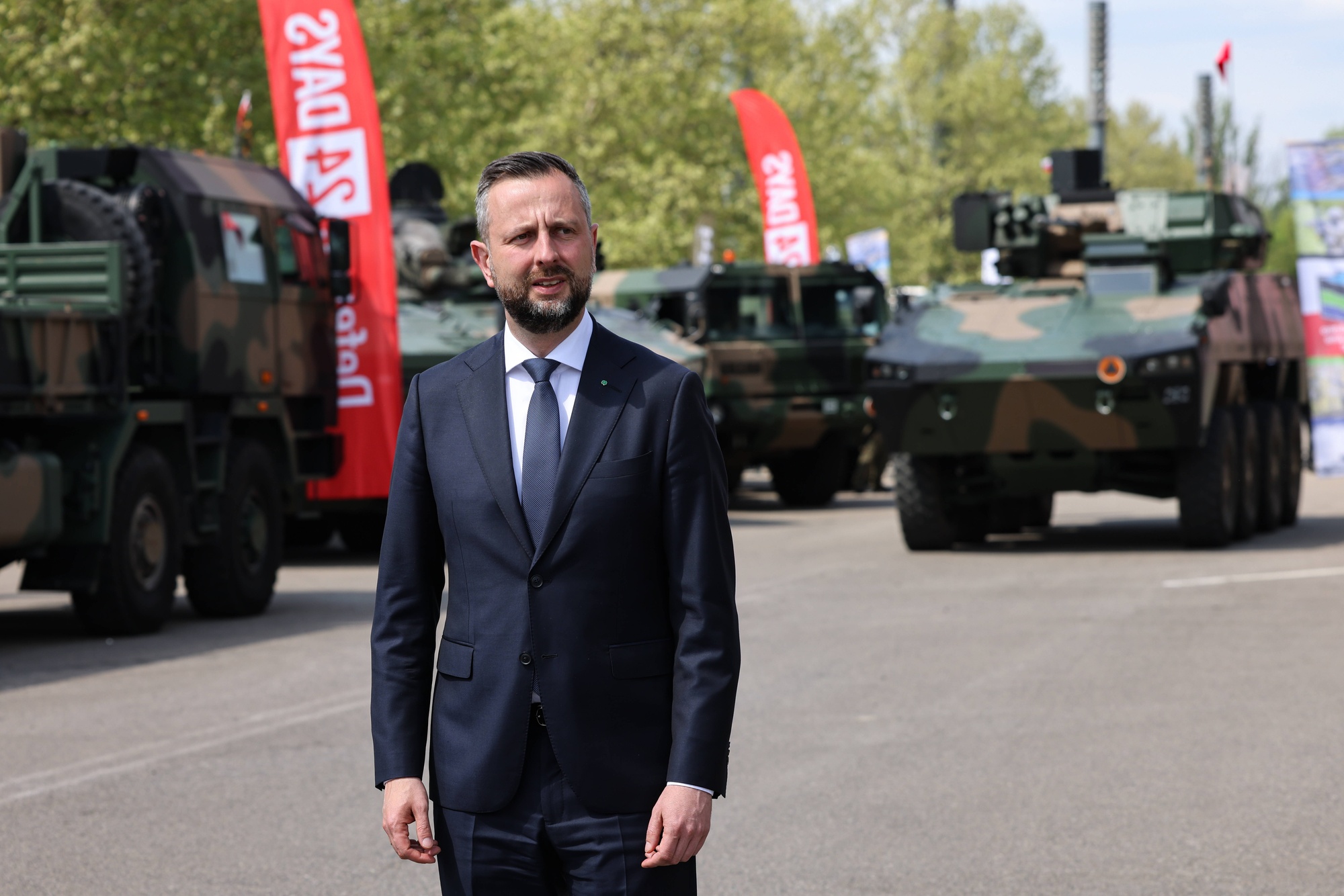
Polish Defense Minister Władysław Kosiniak-Kamysz took a position of moderate pressure: he opposed revoking the order but insisted on canceling the decree. After an unannounced visit to Warsaw by Kyrylo Budanov, during which he met with Kosiniak-Kamysz, the Polish side made it clear that the options proposed by Kyiv for resolving the conflict were considered "insufficient."
"Poland and Ukraine are partners on security issues. But on historical matters, we must tell each other the truth, because only then will we be able to build the future."
Władysław Kosiniak-Kamysz after meeting with Budanov
Eight hours and an open decision
On June 8, the Chapter of the Order of the White Eagle met for eight hours. Nawrocki participated personally. Polish President's Spokesman Rafal Leśkiewicz reported laconically after the meeting: "The Chapter presented its opinion to the president. The president will make a decision at the appropriate time."
The contents of the Chapter's conclusion were not made public. Formally, the Polish president is not obligated to follow this body's recommendation — the final word is Nawrocki's. Andrzej Duda, who actually presented the order, hinted that there are circumstances "not all of which are visible in the current atmosphere" — but did not disclose details.
Why now and why this particular unit
Understanding the situation requires context: this is not the first similar proposal that the military submitted to Zelensky. Before the full-scale invasion, he blocked such initiatives — effectively fulfilling an informal agreement reached between the presidents of the two countries in early 2022. What changed his position now has not been officially explained.
In parallel, another change occurred: Karol Nawrocki won the presidential elections in Poland, having actively used anti-Ukrainian narratives in his election campaign. According to Kosiniak-Kamysz on TVN24, the Polish government "is acting reasonably," giving Ukraine time to reconsider its position, and is counting on direct contact between the offices of the two presidents.
- Position of Ukraine's Foreign Ministry (Andriy Sybiha): the soldiers of the unit chose the name themselves, there was no anti-Polish intent.
- Position of the Polish government (Tusk): do not escalate, seek a diplomatic solution.
- Position of Poland's president (Nawrocki): the decision is his, no deadlines have been announced.
Throughout modern Polish history, only one person has been stripped of the Order of the White Eagle. Mussolini — recognized during the interwar period — kept his order even after World War II.
If Kyiv does not cancel the decree before Nawrocki decides "the appropriate time has come" — will the diplomatic pressure from Tusk and Kosiniak-Kamysz stop the Polish president, who built his campaign precisely on not making concessions on such matters?