Traffic from Russia to "Novorossiya" Dropped by 71%. What This Means for the Southern Front
Following a series of strikes on the Chongar Bridge and the P-280 highway, Russia officially banned military cargo from using this route. The logistical pressure is real — but the distance between "rationing" and "front collapse" is greater than it appears.

By Tetiana Suchkova-Ladik
June 10, 2026 · 3 min read
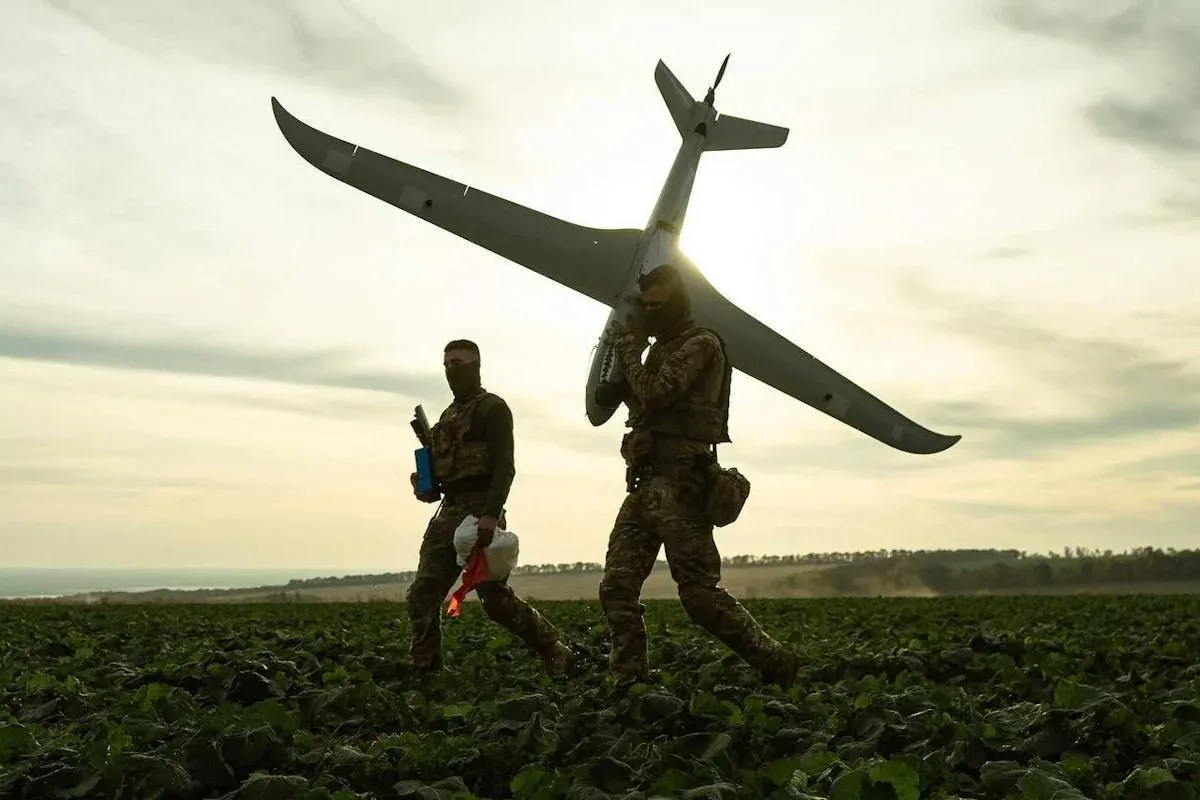
Over two weeks of systematic strikes on key supply routes in occupied southern Ukraine, cargo traffic on the R-280 "Novorossiya" highway has decreased by 71% — from approximately 3,800 to 1,100 units of vehicles per day. These are the figures announced by Robert "Madyar" Brovdi, commander of Ukraine's Unmanned Systems Forces, on June 9.
What was struck — and why
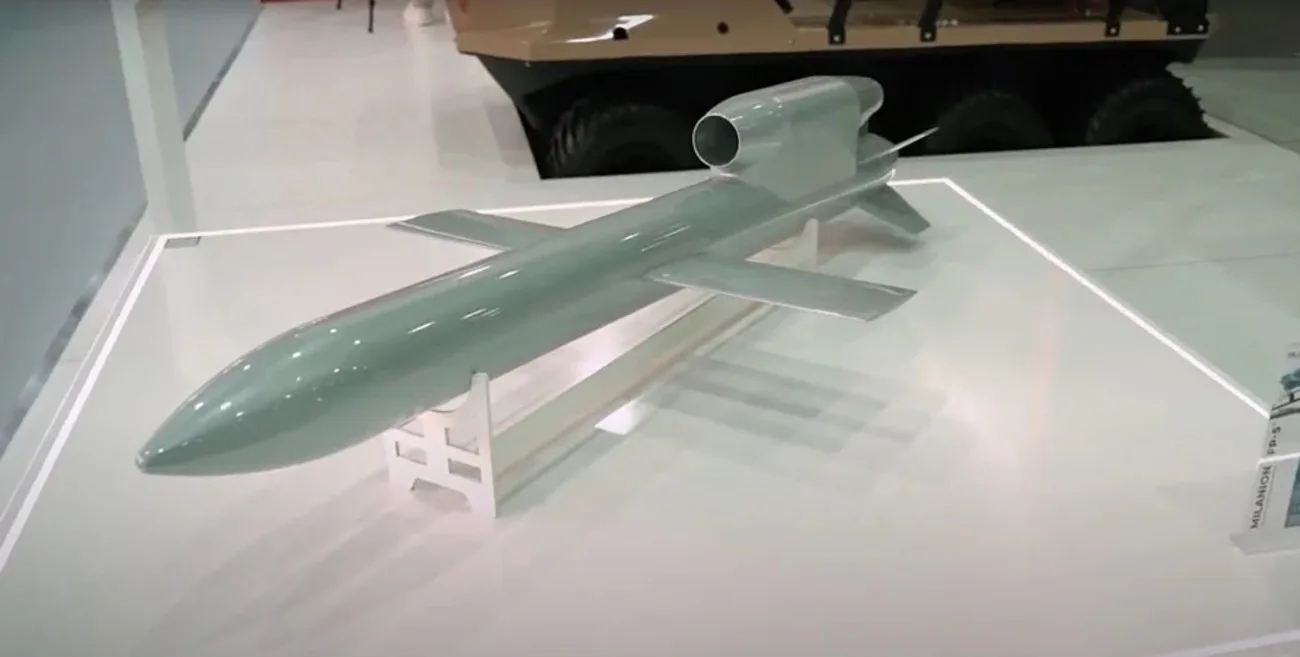
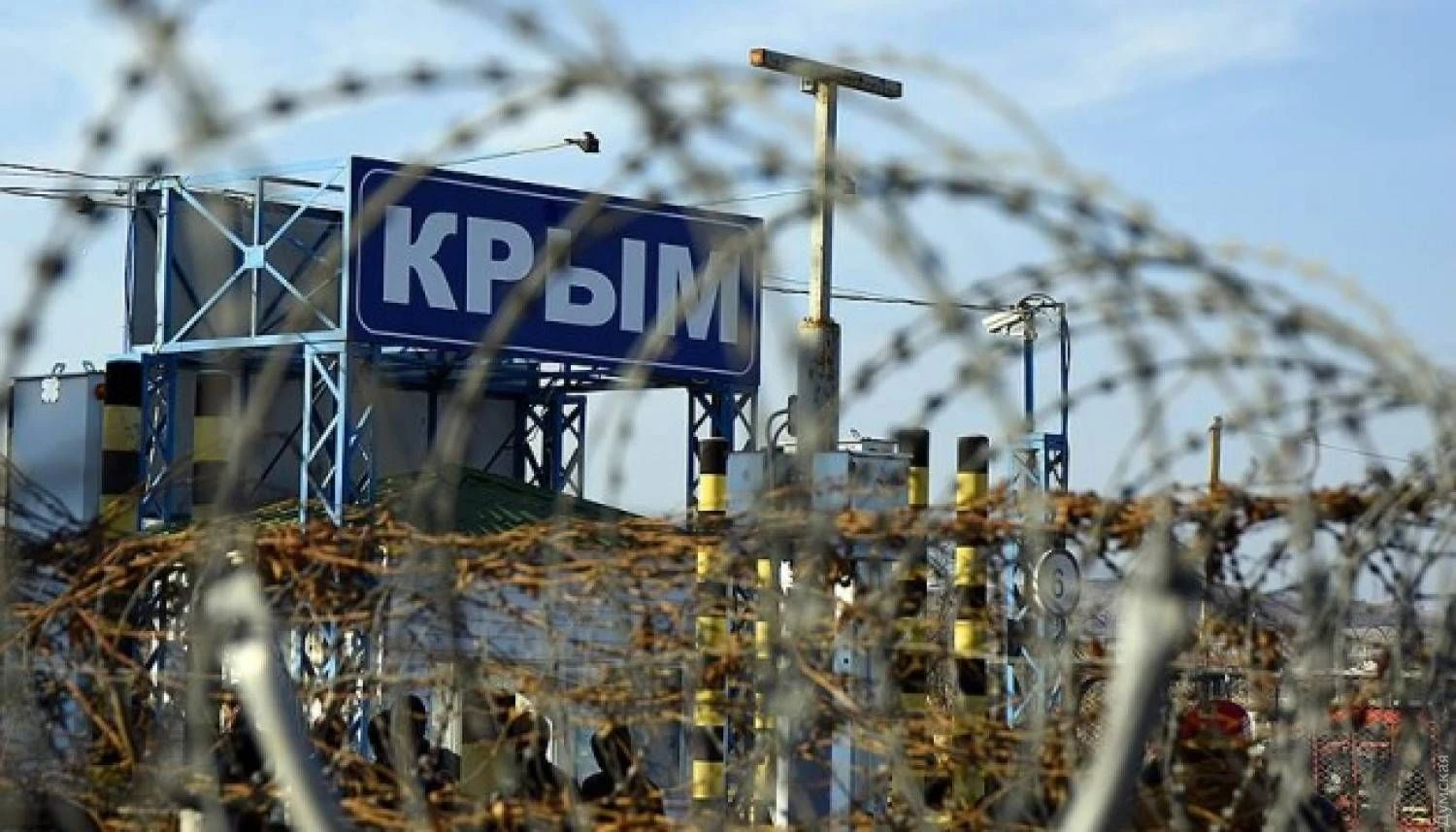
The R-280 highway connects Rostov-on-Don with occupied Crimea via Mariupol, Berdyansk, and Melitopol. It is the main land corridor for supplying Russian troops in the south — especially after damage to the Kerch Bridge in 2022, 2023, and 2025. In parallel, on June 7 and 9, the 1st Separate Assault Battalion named after Dmytro Kotsyubailo, together with the 475th Assault Battalion Code 9.2, struck the Chongar Bridge twice — one of the shortest crossings between occupied Kherson region and Crimea. The strikes were carried out using "Behemoth" and FP-2 drones. Traffic through the Dzhankoy checkpoint has been blocked, with traffic redirected via Armyansk and Perekop.
The reaction of the occupying administration confirmed the scale: collaborator Saldo banned truck traffic on R-280 for its own logistics, with the order taking effect on June 7. Commander Brovdi documented this openly:
"Traffic collapse is not a blockade. But the current 'diet' we have imposed on this corridor is noticeable and effective."
Robert "Madyar" Brovdi, Commander of Ukraine's Unmanned Systems Forces
Chongar: a narrow point becoming even narrower
The Chongar Bridge is important not in itself, but as part of a system. If it remains vulnerable to repeated strikes, the alternatives — Armyansk and Perekop — fall into the range of additional Ukrainian systems. This means that each traffic redirect does not solve the problem, but transfers it to a route with even fewer defensive capabilities, as Defence Matters notes.
At the same time, a fuel crisis has been recorded on the occupied Crimean Peninsula: the occupying authorities have limited petrol sales — no more than 20 liters per coupon, with the issuance of new coupons suspended. Queues at gas stations appeared even before the August strikes on fuel infrastructure.
Where is the line between logistical pressure and front-line collapse
Military expert and former SBU officer Ivan Stupak, in a comment to 24 Channel, directly distinguishes between two processes: a gradual reduction in supplies — yes, but complete logistical blockade — no. According to him, the Crimean Bridge maintains rail connections and vehicle traffic, and Russia will actively defend this route — with protective nets and mobile fire groups along the route.
Independent confirmation of this restraint also comes from the front-line situation: the ISW previously documented that ammunition and fuel shortages are already slowing enemy operations in certain areas — particularly in the Orikhiv direction and Kherson region. But slowdown is not retreat.
- R-280 "Novorossiya" — minus 71% of cargo traffic in two weeks, ban on military transport from June 7.
- Chongar Bridge — two strikes in 48 hours, traffic blocked, diverted via Perekop.
- Crimea — fuel deficit, limited petrol sales to civilians.
- Alternative routes — longer, more exposed, closer to the range of Ukrainian systems.
The AFU's logistical campaign is not one devastating strike, but an accumulation of pressure, where each blocked route makes the next one more costly. If the Crimean Bridge remains outside the zone of reliable strike, the logistical collapse in the south will have a ceiling — and Russia knows this.