Ukraine Tests Its Own Ballistic Interceptors: What Stands Behind the "European Alternative" to Patriot
# Telegraph Reports: Kyiv Testing Ballistic Missile Interception Systems with Partners The Telegraph, citing an informed source, reports that Kyiv is already testing ballistic missile interception systems together with its partners. Could this change Ukraine's dependence on American supplies?

By Tetiana Suchkova-Ladik
June 10, 2026 · 3 min read
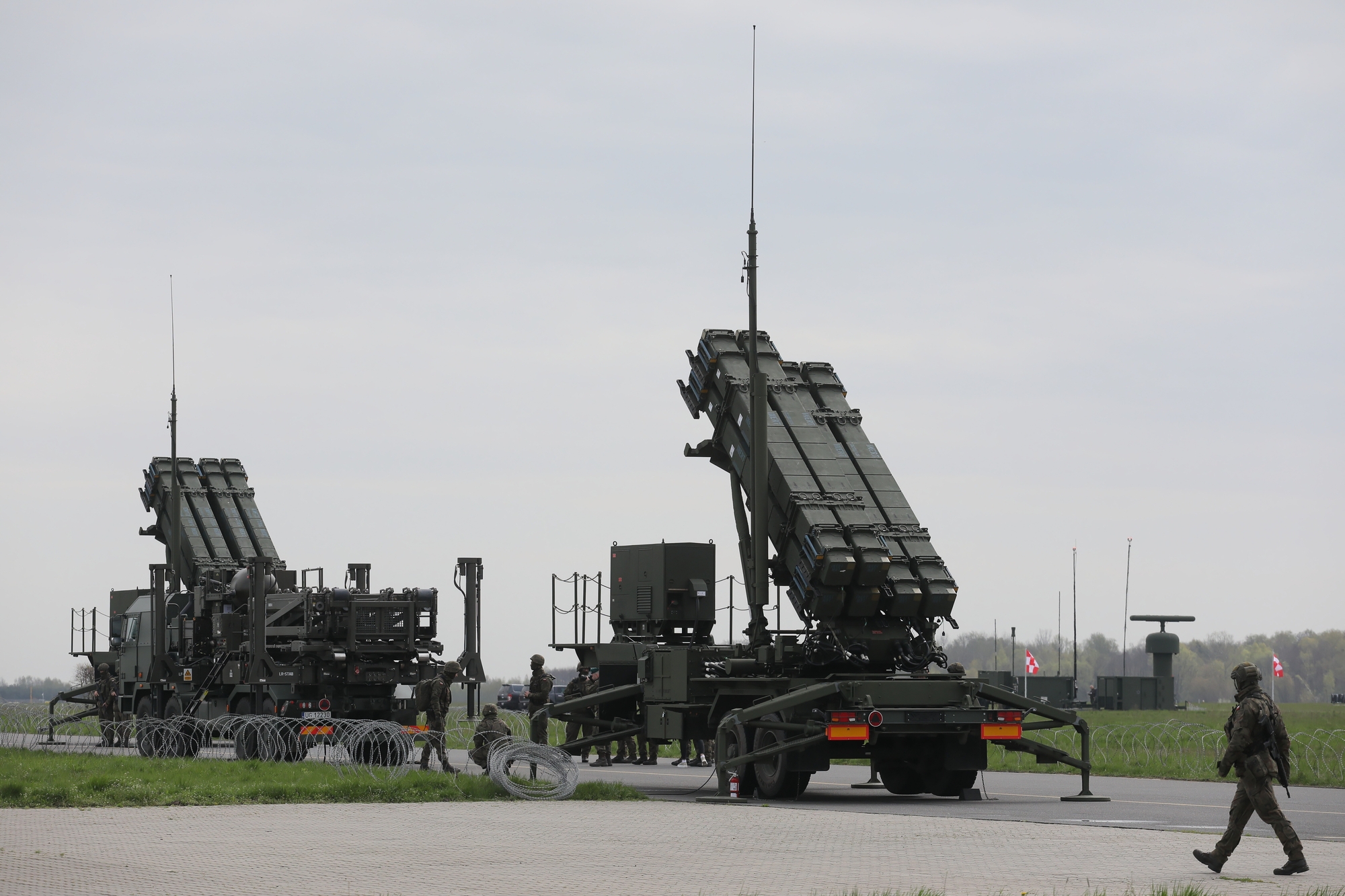
Ukraine is participating in the development and already testing ballistic missile interceptors as part of a project that its participants describe as a "European alternative" to the American Patriot. This is reported by The Telegraph citing a well-informed source familiar with the program's progress.
The source did not disclose details about specific technical characteristics or the geography of the tests. However, the very fact that Kyiv is already at the testing stage, rather than just in negotiations, represents a significant shift compared to previous public statements.
Why this matters right now
Patriot remains the only system in Ukraine's arsenal capable of shooting down ballistic missiles like the North Korean KN-23s that Russia has been using to strike Ukrainian cities since autumn 2024. However, the number of batteries is critically small — and the queue for supplies from American production stretches for years.
In parallel, the Trump administration is demonstrating inconsistency on military aid to Europe, forcing the continent to seek its own solutions. It is in this context that the idea of a "European alternative" emerges — not as a declaration of independence from the US, but as insurance.
What already exists and what is being developed
Among existing European air defense systems are the German IRIS-T SLM (effective against cruise missiles and aircraft, but not ballistic missiles), the Franco-Italian SAMP/T Aster 30 (with limited potential against ballistics), and the Dutch-German SHORAD. None of them fully covers the Patriot niche.
The source does not specify which program is being discussed in The Telegraph article — joint development of a new interceptor, modernization of existing platforms, or integration of components from various manufacturers. This is a significant gap in the picture.
The real conflict of the program
The main contradiction of any "Patriot alternative" is not technical, but temporal. Development and certification of a new ballistic interception system takes seven to fifteen years under normal conditions. Ukraine is fighting a war right now.
Testing interceptors is not the same as mass production and combat deployment. Between these stages lie years and billions of euros. If the program really exists in the way The Telegraph's source describes it, the question is not whether the system will appear, but whether it will appear in time.
A separate dimension is industrial capacity. Even if a technical solution has been found, European defense industry production capacities are now overloaded with orders for ammunition and armored vehicles.
What this means for Ukraine
Kyiv's participation in the program — if officially confirmed — will have two dimensions. First: access to technology and possibly to the first production batches before others. Second: Ukraine becomes part of the European security architecture not merely as a weapons consumer, but as a participant in development — which carries weight in future negotiations on NATO membership as well.
So far, all that is available in the public domain is one anonymous source in a British publication. But if within a few months confirmations appear from official figures or specific names of the consortium — this news will become one of the key items on the defense agenda of the year.
If testing is indeed underway, the next critical moment will come when one of the participating governments signs a contract for mass production — because that is when it will become clear whether this project has real money behind it, or merely the desire to have an alternative on paper.