Saint Basil's Day (January 1): sowing rituals, prohibitions and Ukraine's agrarian memory
On January 1, Orthodox Christians honor Saint Basil the Great and the Circumcision of the Lord. We examine why the custom of posivannya — the sowing ritual — is not merely a rite but a symbol of connection to the land, hope for the harvest, and cultural resilience, more important now than ever.

By Tetiana Suchkova-Ladik
January 1, 2026 · 2 min read
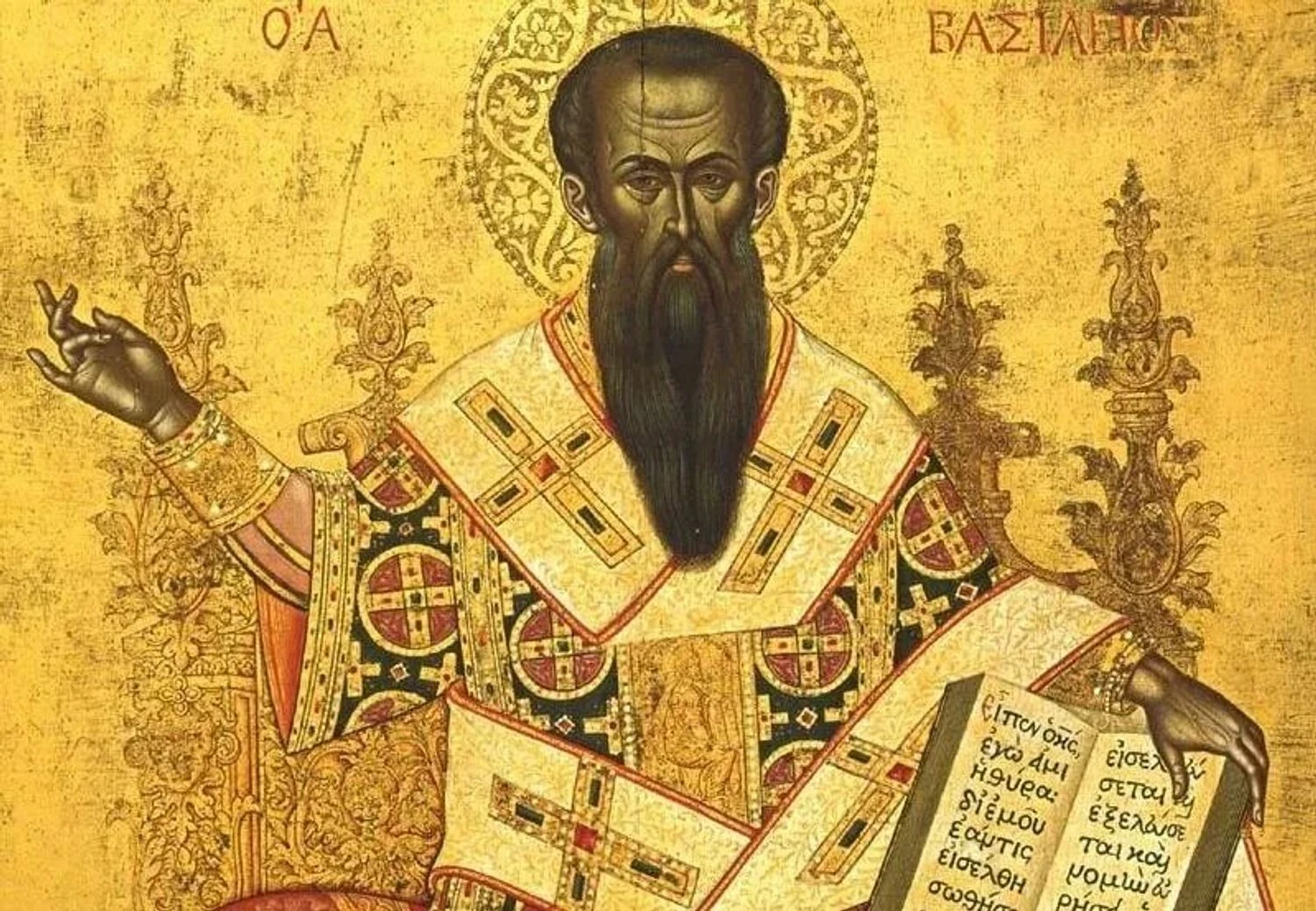
According to UNN, on January 1 Orthodox Christians celebrate the feast of Saint Basil and the Circumcision of the Lord. These calendar events combine religious meaning and folk rituals, the most notable of which is sowing. We explain what this tradition is, what prohibitions are associated with it, and why it matters today.
Origin and meaning of the feasts
Basil the Great is a figure of ecclesiastical significance and has a historical association with blessing work on the land. In the church calendar the feast of Basil coincides with the Circumcision of the Lord — a reminder of the Old Testament rite through which Christ entered the socio‑religious context of his time. The combination of the religious and the agrarian in folk tradition is explained as a desire to link the spiritual renewal of the year with practical guidance for a good harvest.
Traditions of sowing
The key element of the ritual is sowing with grain. In the morning a man should be the first to enter the house: this is called the "first sower." Sowers, mostly boys or young men, enter the home and toss a handful of grain onto the threshold or under the table, speaking wishes of goodness and plenty. In return, the hosts treat them.
I sow, I sow, I scatter seed
— folk sowing verse
I wish you joy and all you need.
May the whole New Year bring
Better things than last year did bring!
Ethnographers note that sowing is a form of the "first step" of the year, a ritual of transferring blessing from the street community to the household. In rural communities the ritual has been preserved almost unchanged; in cities it is adapted — instead of a large rite people use symbolic handfuls of grain or decorative elements.
Prohibitions and superstitions on January 1
The feast is also associated with superstitions that traditionally served as social norms: on this day it is not customary to do small household tasks or handicrafts, and it is undesirable to quarrel or speak ill. There are also practical beliefs: do not take out the trash — because along with the trash you might "drive out" luck from the home. According to researchers of folk culture, such norms functioned as a mechanism for preserving wellbeing and symbolic order within the community.
The Circumcision of the Lord in context
In the ecclesiastical dimension the Circumcision of the Lord recalls belonging to the history of the faith. For believers it is a day of prayer and participation in worship; for traditional culture it adds another layer of meaning that makes January 1 a multidimensional holiday.
Why this matters today
Sowing is more than folklore: it is a marker of connection to the land and to the generations who depend on it. At a time when questions of infrastructure restoration and the rebuilding of villages will be acute, such traditions remind us of the value of agrarian memory and social solidarity. Preserving the ritual is not a return to the past, but a way to maintain a strong cultural bond that helps see reconstruction as a collective task.
Now the ball is in the community’s court: how to adapt customs so they serve Ukraine’s contemporary needs — preserving traditions, supporting farmers, and rebuilding rural communities?