St. Nicholas Church transferred to the Roman Catholic community for 50 years — restoration and the right to hold Masses
The Ministry of Culture handed over a historic kostel for use for half a century — this is not only a matter of restoration after shelling, but also a guarantee of freedom of religion and the return of cultural heritage to the community.

By Tetiana Suchkova-Ladik
January 7, 2026 · 2 min read
What happened
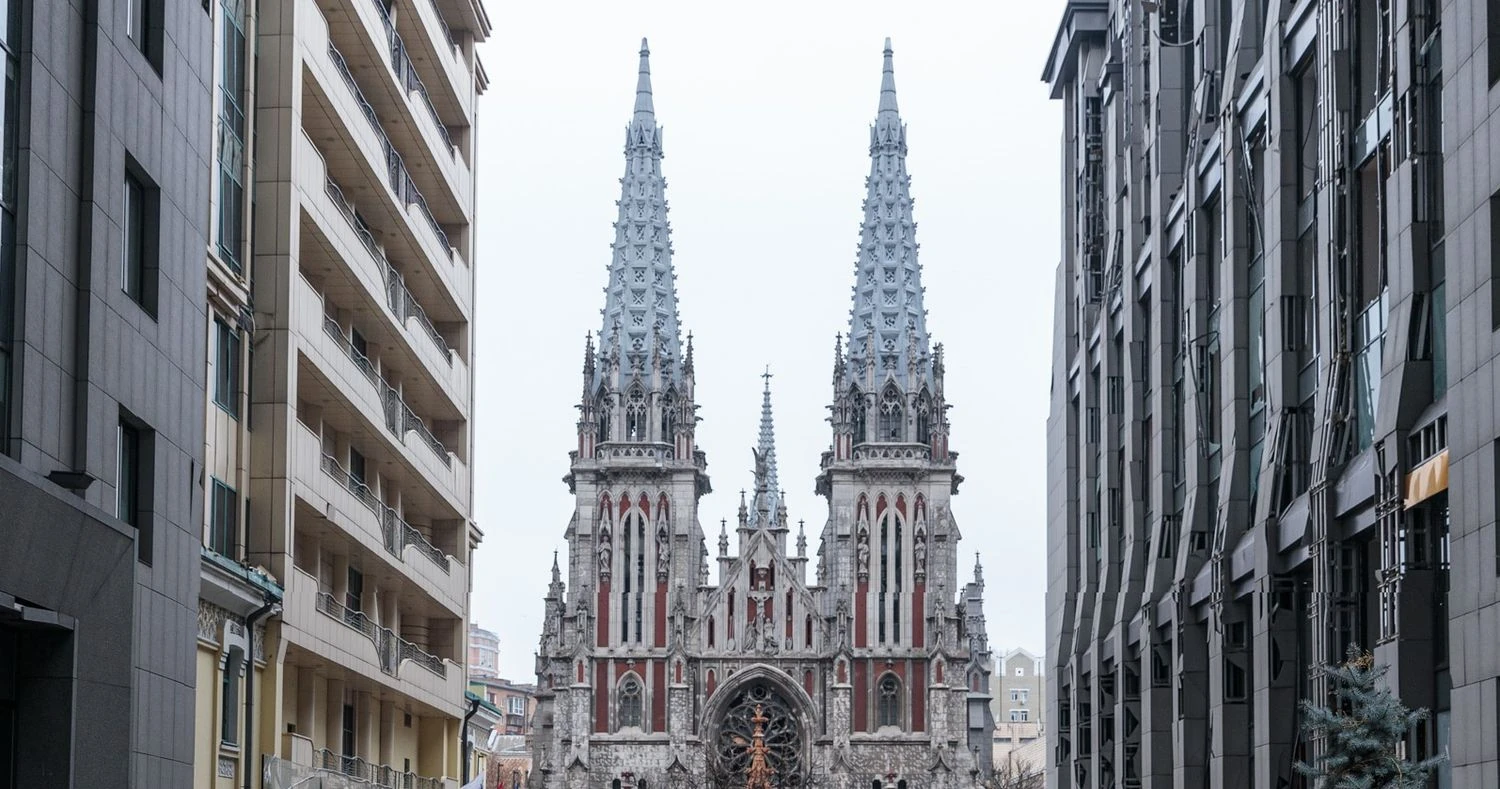
The Ministry of Culture of Ukraine has officially handed over the St. Nicholas Church in Kyiv for use to the Roman Catholic community for a term of 50 years. The transfer was announced by the head of the ministry, Tetyana Berezhna, reports UNN. The decision gives the community the legal basis to carry out restoration and hold regular worship services.
This means that, without restrictions, they will be able to hold Masses here; they will be able to invest their time, efforts and funds in the restoration.
— Tetyana Berezhna, head of the Ministry of Culture
Why this matters
The return of the premises is at once a matter of freedom of religion and the restoration of historical memory. In January 2025 a court upheld a suit by a public association and obliged the Ministry to return the church to the Roman Catholic parish; the current decision is the implementation of that court ruling.
This decision is an expression of justice, respect for believers and a real guarantee of freedom of conscience in Ukraine.
— Dmytro Lubinets, Parliamentary Commissioner for Human Rights
Restoration plan and monument security
The church was damaged during a missile strike on Kyiv in December 2024: the towers and stained-glass windows were damaged. Handing it over for use allows the community and partners to invest funds and work on the restoration. The official restoration plan foresees returning the building's architectural authenticity and strengthened control over the preservation of the heritage site.
Consequences and expectations
For residents of Kyiv and for the entire country, this is a signal: the state is implementing court decisions and giving priority to the restoration of cultural heritage. Practically, this means full Masses, investments in repairs, and also the possibility for international partners to join in financing the restoration. It is important that the restoration proceeds transparently — with the involvement of conservation experts and public oversight.
Whether the return of the church will become the start of a systemic policy for restoring damaged cultural sites will depend on further decisions by the state and the activity of the community.