Pope Leo XIV called for an Olympic truce — a signal of solidarity for Ukraine and the world
In a letter to 1.4 billion Catholics, the Pope proposed reviving the idea of an Olympic truce and asked for prayers for Ukrainians suffering from attacks on energy infrastructure. Why this message matters not only symbolically — briefly and clearly.

By Tetiana Suchkova-Ladik
February 6, 2026 · 2 min read
What happened
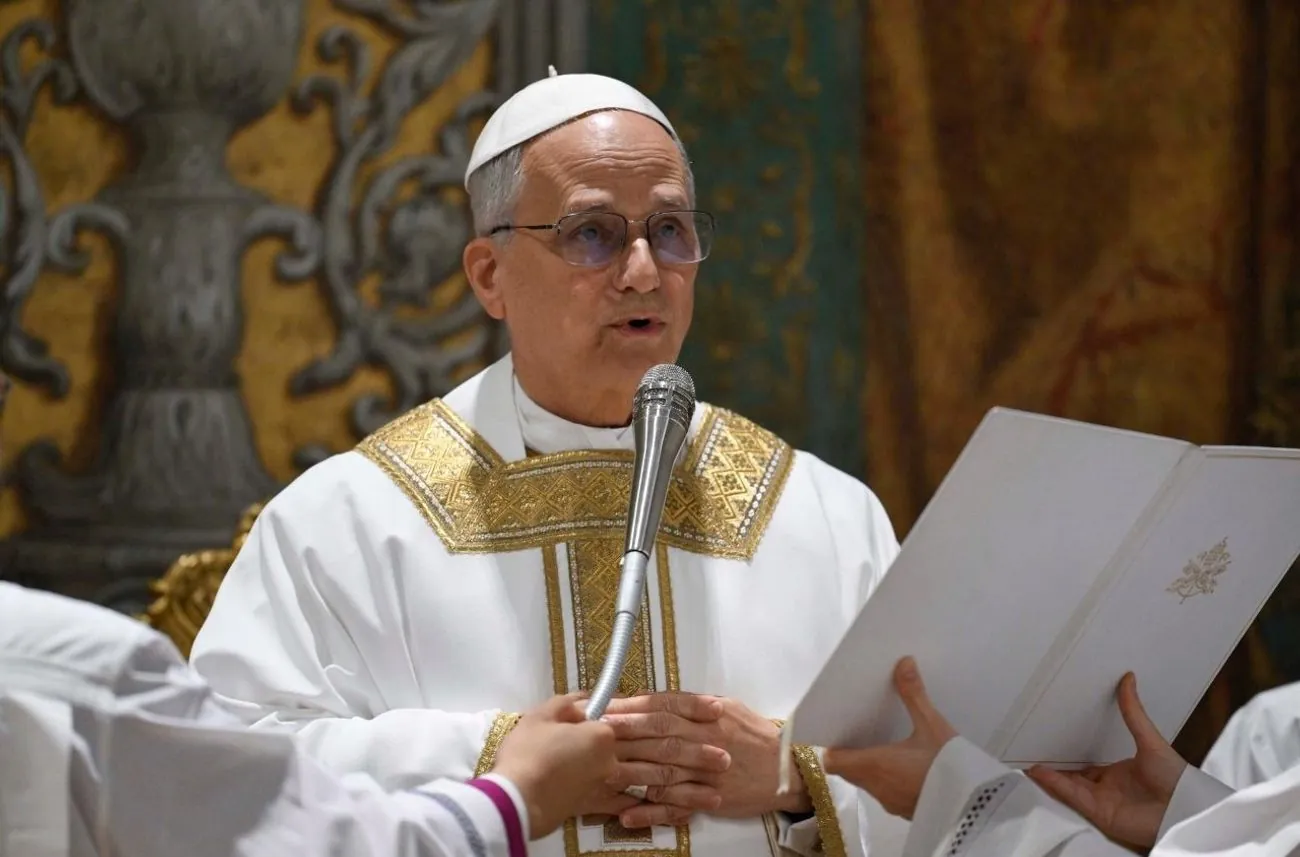
According to Deutsche Presse-Agentur (as relayed by UNN), Pope Leo XIV published a letter titled «Life in Abundance: On the Value of Sport», in which he called for the restoration of the practice of the Olympic truce for the duration of the Winter Olympic Games in Milan and Cortina d'Ampezzo. The letter is addressed to approximately 1.4 billion Catholics and emphasizes the values of fair competition and humanity in sport.
Why this matters for Ukraine
The Pope's message combines moral solidarity with a practical opportunity to draw the international community's attention at a time when humanitarian and infrastructure blows are being felt in Ukraine as well. The Pope also asks for prayers for Ukrainians suffering from attacks on energy infrastructure — a reminder that the Olympic platform can serve not only as a sporting but also an ethical marker.
This appeal matters as a symbolic tool: during major international events, moral signals often amplify diplomatic pressure and public resonance. Against reports of human losses — including earlier mentions that more than 650 Ukrainian athletes have died as a result of the Russian Federation's aggression — the appeal is clearly aimed at keeping attention on the humanitarian consequences of the war.
"The institution of the Truce stems from the conviction that participation in public games constitutes an individual and collective path to virtue and excellence"
— Pope Leo XIV, letter «Life in Abundance: On the Value of Sport»
"Problems arise when business becomes the primary or sole motivation. When that happens, decisions are no longer based on human dignity"
— Pope Leo XIV, letter «Life in Abundance: On the Value of Sport»
Implications and expectations
Such appeals do not change policy automatically, but they create an additional moral resource for diplomacy and civil society. It is expected that Ukrainian delegations, human rights organizations and international partners will use this message as an argument in favor of strengthening humanitarian initiatives and public attention to attacks on civilian infrastructure.
Sources: Deutsche Presse-Agentur (DPA), material as relayed by UNN. The Pope's letter was published publicly as an address to the Catholic community.
Summary: The Pope's appeal is not only a call for a pause during the Games, but also a reminder that international events provide a platform for solidarity. Whether the symbol will turn into practical support will depend on how diplomats, Olympic organizers and civic initiatives pick up the signal.