4 mm that cost a medal: Chofenih's disqualification at the 2026 Olympics and the implications for equipment checks
The disqualification of the Austrian jumper for exceeding the permitted boot size by 4 mm not only deprived him of a chance at a medal — the incident has intensified questions about the transparency of control procedures and team discipline before the start.

By Tetiana Suchkova-Ladik
February 16, 2026 · 2 min read
What happened
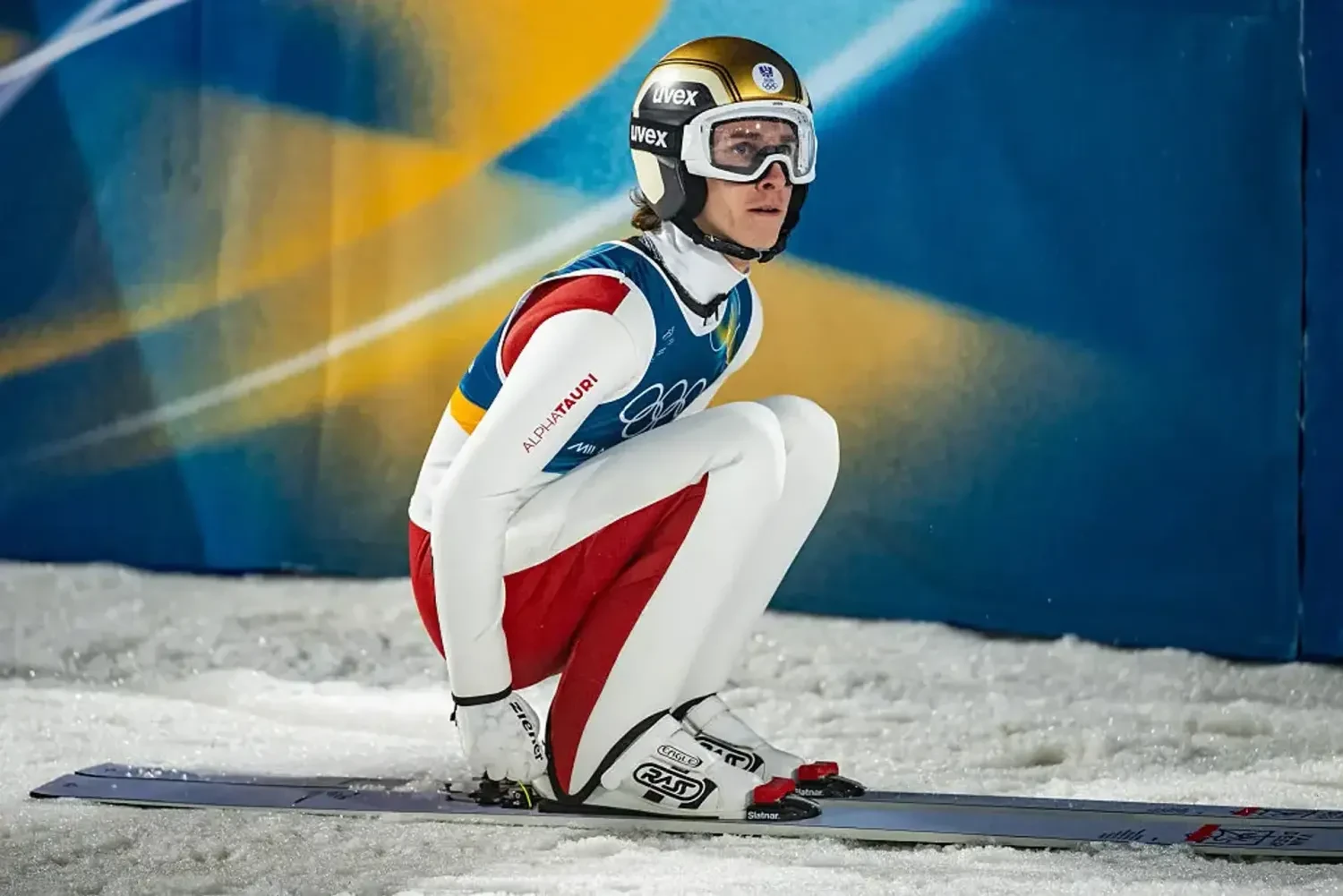
Austrian ski jumper Daniel Chofenig was disqualified from the large hill event at the 2026 Olympics after an equipment check found his boots exceeded the allowed size by 4 mm. The incident was reported by UNN citing the BBC. The 23-year-old 2025 World Cup champion had comfortably qualified and in his first jump scored 137.7 points, but the technical violation automatically led to his removal from the competition.
“I was naive and didn’t measure them. It was very stupid of me, but rules are rules.”
— Daniel Chofenig, Austrian ski jumper
How it affected the results
Because of Chofenig’s disqualification, Slovak Hector Kapustik advanced to the final, and the podium ultimately was: gold — Slovenian Domen Prevc, silver — Japanese Ren Nikaido, bronze — Polish Kacper Tomasiak. In addition, organizers removed American Annika Belshaw from the women’s final because her skis exceeded the limit by more than a centimeter.
Context: why 4 mm matters
This is not a trivial detail but part of a rule system that calibrates safety and equal conditions. Precise measurements of equipment limit technological advantages and reduce risks for the athlete. At the Olympics, where competitions are decided by fractions of a point, even millimeters can change the standings.
In recent years the media have drawn attention to possible manipulations with suits and measurements — which has increased scrutiny from judges and organizers. At the same time, such incidents raise questions for teams: are internal pre-start procedures sufficient to avoid losing a result due to a technical error?
Wider context and a lesson for Ukraine
This case is not isolated: previously the IOC disqualified Ukrainian skeleton racer Vladyslav Heraskevych over a memorial helmet, and in the current competitions there have been other removals for equipment. The control system is strict — and for Ukrainian teams this is also a signal: attention to details in equipment, logistics, and pre-start checks can be decisive.
Conclusion
The incident with Chofenig is a reminder of two things: first, rules at major competitions are enforced consistently; second, preparation is not only training on the hill but also discipline in daily routines and technical control. Whether teams will change their procedures after the Olympics is a question that will determine who next time will lose — or, conversely, retain — a chance at a medal.
Sources: BBC, UNN.