Usyk Called the Stoppage "Robbery," WBC Deemed It Legitimate: What the Dispute Over the Usyk-Verhoeven Fight Actually Resolved
# Hollywood Actor and WBC President Give Opposite Assessments of One Referee and One Stoppage Between them — an appeal by Verhoeven and judge's scorecards, where the Dutchman was leading on points.

By Tetiana Suchkova-Ladik
May 26, 2026 · 2 min read
The fight between Oleksandr Usyk and Rico Verhoeven, which took place in Giza, Egypt, on the night of May 24, officially ended in a technical knockout in the 11th round. However, the discussion surrounding referee Mark Lasson's decision did not fade after the final bell — it simply extended beyond the ring.
What happened in the 11th round
Until the penultimate round, the fight was unfolding not in Usyk's favor: according to judges' scorecards, two arbiters recorded a draw, one — an advantage for Verhoeven. Then Usyk knocked down the Dutchman twice. Verhoeven got up, but after the follow-up attack, the referee stopped the fight, awarding the victory to the Ukrainian via TKO. For Usyk, this is his 25th professional win, of which 16 came by knockout.
Verhoeven himself stated that the decision shocked him: "I understood that I just needed to work out that time on my feet. Put my hands up and block the punches. It seems to me that's what I was doing." Verhoeven's team filed an official protest on the night of the fight.
Statham and "robbery"
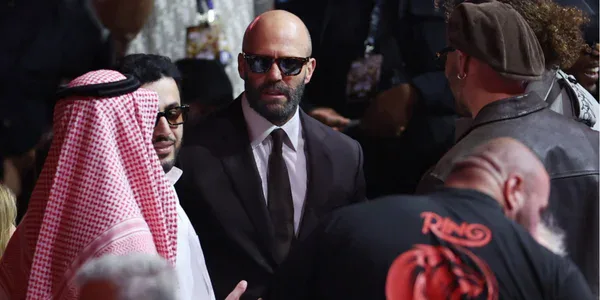
Hollywood actor Jason Statham — a longtime friend and public supporter of Verhoeven — reacted on Instagram emotionally and briefly:
"Rico! You did it, brother! Absolutely explosive performance! You were robbed, not given the chance to finish the job. An absurd stoppage right before the final round. This is a robbery."
— Jason Statham, Instagram
Separately, the actor called Usyk one of the greatest fighters in history — meaning the complaints were directed not at the champion, but at the referee and the system of recording results.
What the WBC said
WBC President Mauricio Sulaiman publicly assessed the judging and supported Lasson's decision: according to the organization's rules, a referee has the right to stop a fight if he believes the boxer is unable to defend himself — even when the fighter is heading to his corner or is already there. Verhoeven's appeal, thus, collided with a formal interpretation of the regulations, rather than a subjective assessment of the moment.
Why this is more than just a "spoiled finale"
This controversy is neither the first nor the last regarding the boundary between boxer protection and depriving him of a chance. Verhoeven came to heavyweight from kickboxing, completed 11 competitive rounds against the absolute champion and, by objective scorecards, was winning on points at the moment the fight was stopped. If the WBC reviews the appeal and supports the referee — this will become a precedent that will procedurally close the discussion, but not substantively.
If the appeal reveals violations in Lasson's actions — the question arises whether a rematch will be scheduled and under what conditions Usyk will agree to it against an opponent who officially lost.