46 Athletes, 0 Medals, 8 Top-10 Finishes: How Ukraine Turned the 2026 Olympics into a Manifesto of Resilience
A record-sized delegation under the blue-and-yellow flag returns without medals — but with an important signal for society, partners, and sport during wartime. We explain what this actually means.

By Tetiana Suchkova-Ladik
February 23, 2026 · 2 min read
A record delegation and stark statistics
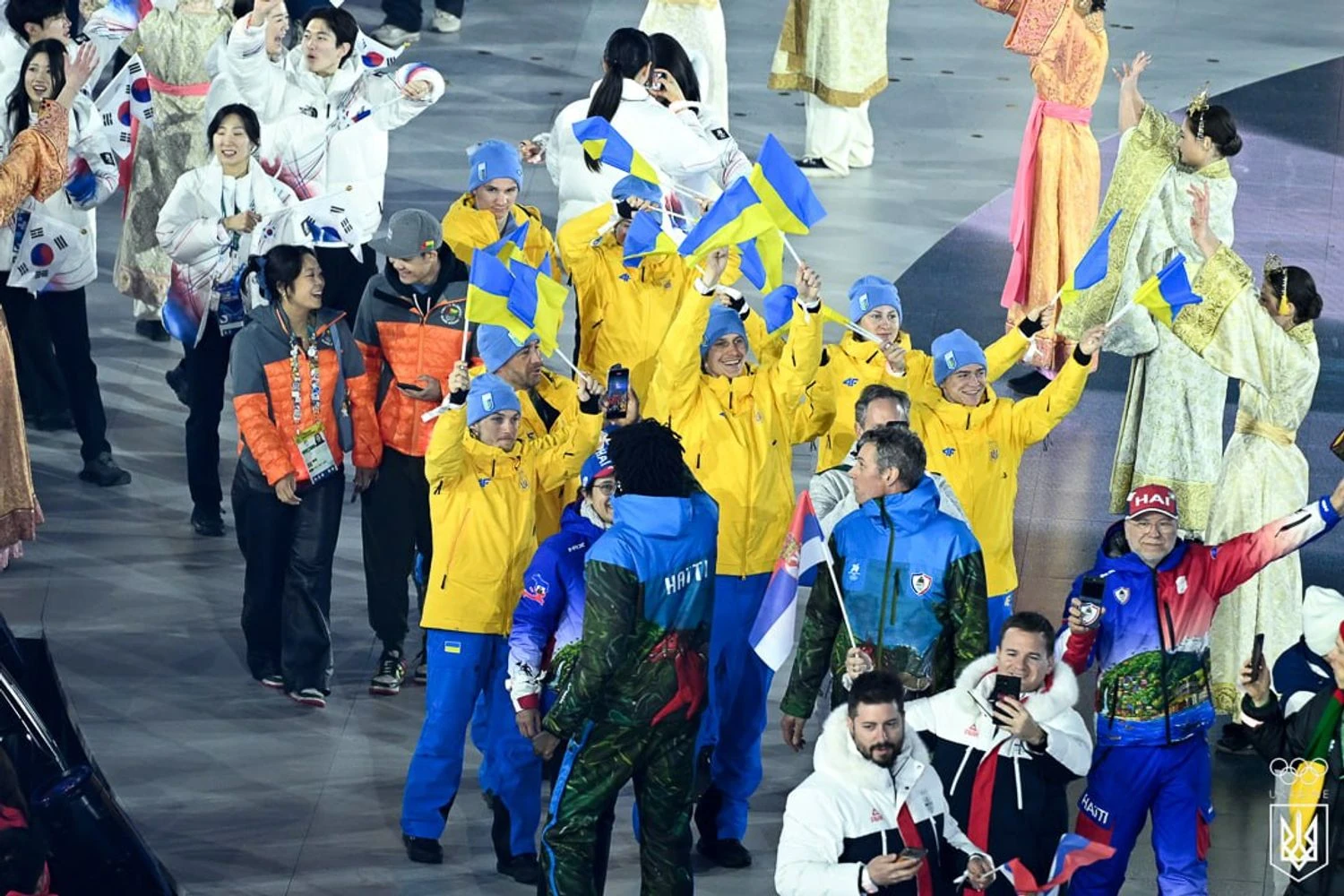
The XXV Winter Olympic Games — 2026 have concluded: Ukraine was represented by 46 athletes in 11 sports — the largest team in the last 16 years. The NOC officially reports that although there were no medals this time, our athletes finished in the top 10 eight times, demonstrating competitiveness under difficult conditions.
What matters more than medals
During the war, sporting results acquire additional meaning: it is not only a medal table, but also a signal to the international community about the resilience of society, as well as a platform for supporting the country's image. The NOC and Ukrainian media (including UNN) emphasize that these Games were also a manifesto of resilience for the team.
Key moments
The closing ceremony took place on February 22 at the arena in Verona; the Olympic flame was extinguished simultaneously in Milan and Cortina d'Ampezzo. The Ukrainian flag was carried by freestyle skiers Angelina Brykina and Dmytro Kotovskyi.
Among the most notable stories is that of skeleton racer Vladyslav Heraskevych: despite a disqualification related to the scandal around the "helmet of memory," his case became a symbol of the team's unity and public support.
"This year Ukraine was represented by a record number of athletes... Despite the absence of medals, the team entered the top 10 eight times — we are returning home with experience and belief in great victories."
— NOC of Ukraine
"We thank the Armed Forces of Ukraine for the opportunity to represent the country on the world stage."
— NOC of Ukraine
Context and consequences
This is not just statistics: a record delegation during the war indicates investments in athlete preparation, international solidarity, and the functioning of the sports system under extreme conditions. Sport is also diplomacy: the participation of the Ukrainian team keeps the issue of Ukraine in the focus of the media and international platforms.
What's next?
The question is not only the number of participants, but the quality of support — infrastructure, training programs, funding, and rehabilitation of wounded athletes. Whether this record will be transformed into medal results depends on systemic decisions and partner assistance. The key task now is to consolidate the experience and positions gained so that the next step is no longer about participation, but about podium places.