CAS allows Russians and Belarusians to compete at the 2026 Olympics as neutrals
The Court of Arbitration for Sport partially overturned a FIS ban and opened the door for Russian and Belarusian skiers to compete at the 2026 Winter Games, provided they do so without national symbols.

By Oleg Bazylewicz
December 2, 2025 · 1 min read
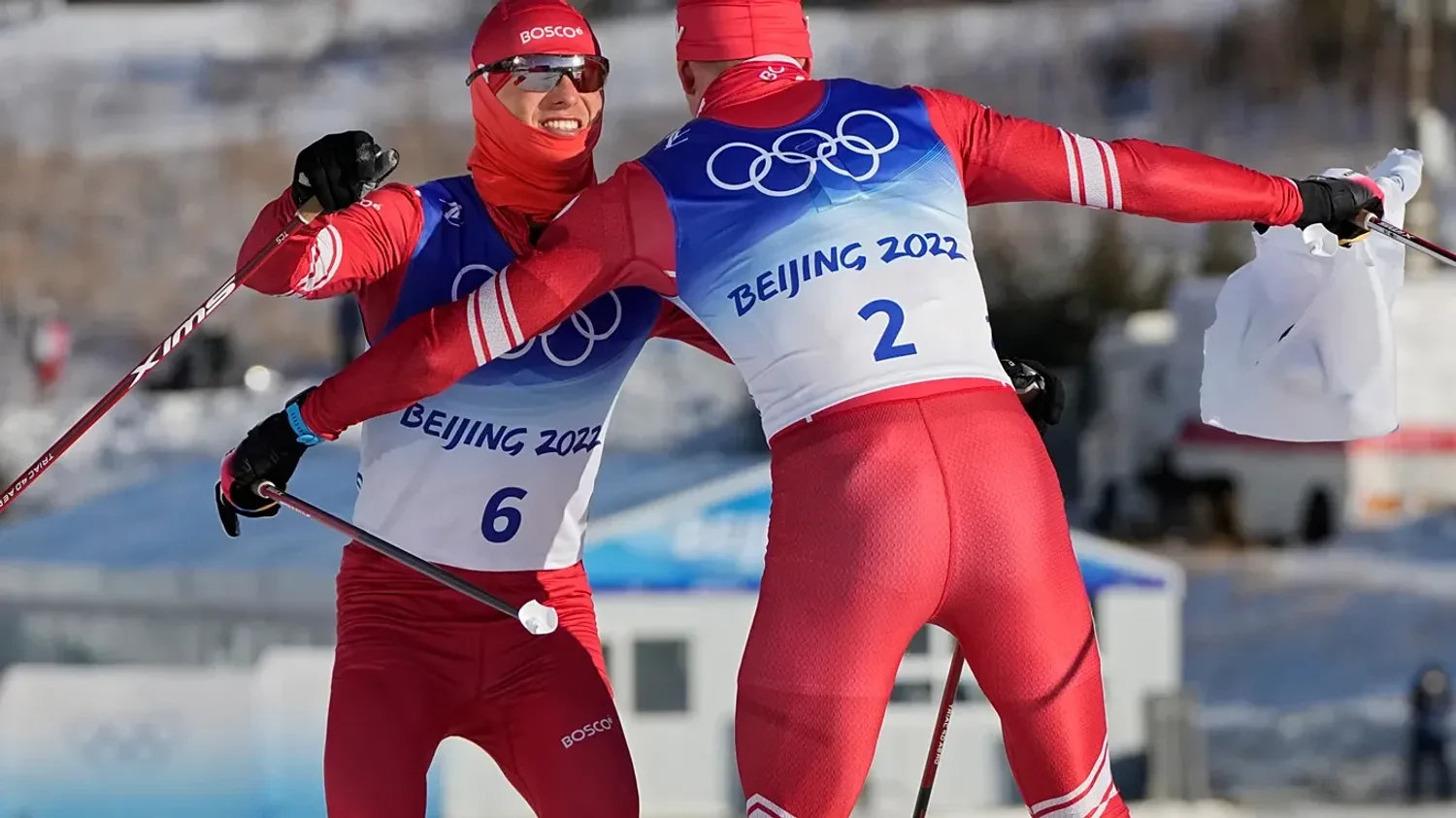
The Court of Arbitration for Sport (CAS) has found partly unlawful the International Ski Federation's (FIS) decision to impose a complete ban on the participation of athletes from Russia and Belarus. They may now be allowed to compete in international competitions, including the 2026 Winter Olympic Games, but only in a strictly neutral status.
CAS decision
CAS upheld part of the appeals filed by groups of skiers from Russia and Belarus that challenged FIS’s October decision to bar them even in a neutral status. That order effectively deprived the athletes of the opportunity to compete at the 2026 Olympic and Paralympic Games.
The court's decision states that the refusal to admit — up to and including complete exclusion — without individual assessment was found unlawful in part of the appeals brought by the athletes.
Conditions of participation
The arbitration emphasized that athletes who meet the criteria set by FIS have the right to compete in a fully neutral format. This entails the absence of national symbols, flags and state attributes during competitions.
FIS is now obliged to review its own eligibility criteria and ensure their application before the start of the Olympic cycle in order to determine who may be eligible to participate in the events.
Paralympians and symbolism
CAS ruled that Paralympic athletes from Russia and Belarus must be granted the same participation conditions as other athletes, under the same neutrality requirements.
Despite separate statements by representatives of Russian sport about the return of national flags and attributes, current international rules do not allow such admission. Any participation will only be possible on the condition of compliance with the requirements for neutral status.
The CAS decision requires FIS to update its admission procedures and apply them in practice before the start of the season preceding the 2026 Olympic Games.