No medals but plenty of ambition: how Ukrainians fared on February 8 at the 2026 Olympics
On February 8 the Ukrainian national team did not reach the podium, but sent important signals regarding the condition of its disciplines and readiness for upcoming competitions. We break down the results based on data from the Ministry of Youth and Sports and what this means for the team.

By Tetiana Suchkova-Ladik
February 8, 2026 · 2 min read
Brief
According to the Ministry of Youth and Sports (via UNN), on 8 February Ukrainian athletes at the XXV Winter Olympic Games in Milan–Cortina 2026 finished without medals, but with several notable indicators that will influence preparation tactics and personnel decisions going forward.
Ukraine team results (8 February)
- Snowboarding — parallel giant slalom, women (qualification): Annamari Dancha — 29th place, did not advance to the 1/8 finals;
- Alpine skiing — downhill, women: Anastasiia Shepilenko — 32nd place;
- Cross-country skiing — skiathlon, men: Oleksandr Lisohor — 53rd place, Dmytro Drahun — 59th place;
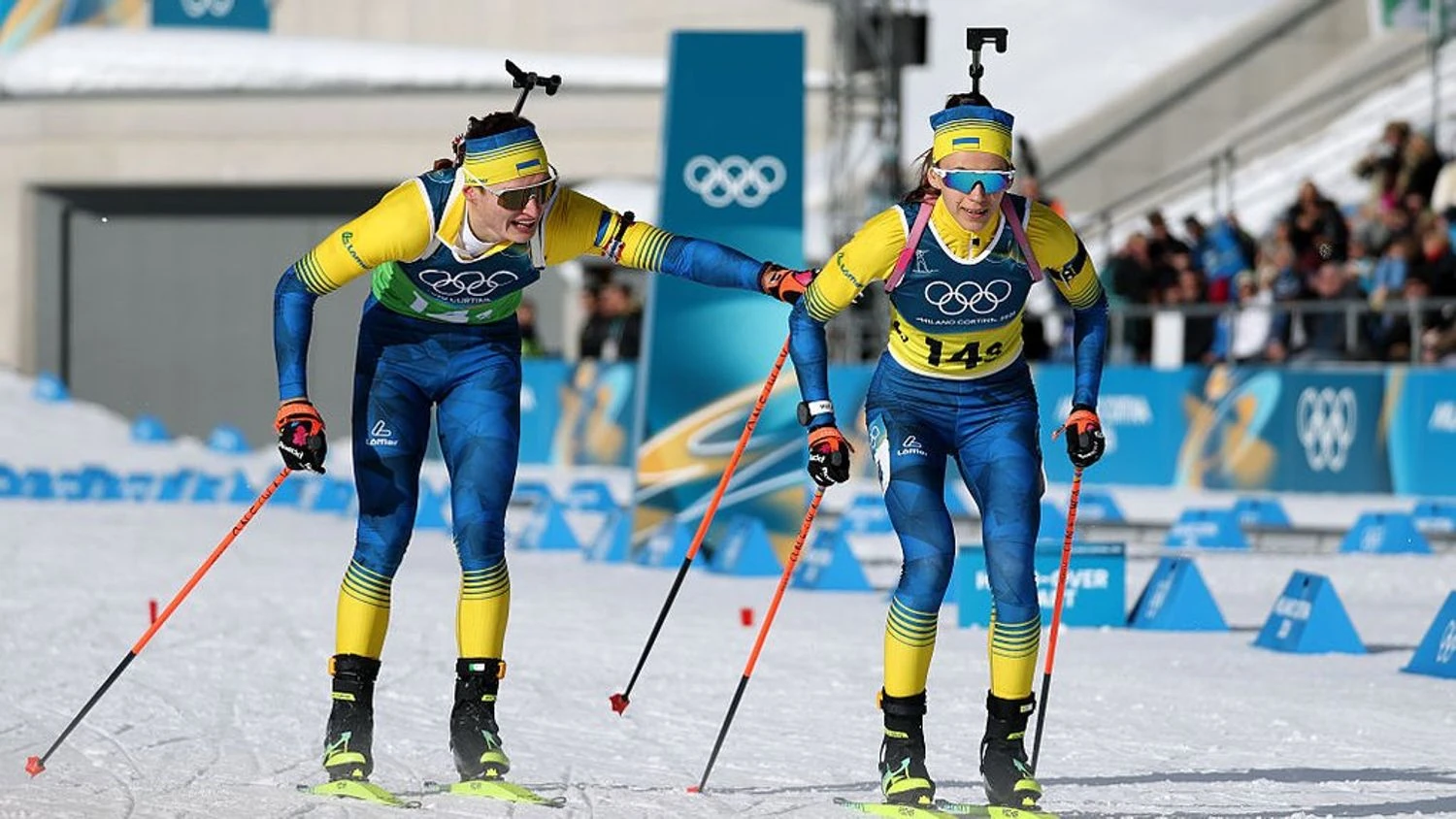
- Biathlon — mixed relay: Dmytro Pidruchnyi, Vitalii Mandzyn, Olena Horodna, Oleksandra Merkushyna — 8th place;
- Luge — singles, men: Andrii Mandziy — 12th place, Anton Dukach — 16th place.
"A joyful moment: the support for Ukraine and the team's ambitions remain unchanged — this is an important factor ahead of the next events"
— father and coach of skeleton racer and flag-bearer Vladyslav Heraskevych
What this means
Biathlon. Eighth place in the mixed relay is not a result to celebrate, but it signals stability within the team and provides a base for improving results in individual races. The relay shows the lineup is functioning, but more accurate shooting and a stronger speed phase are needed to contend for the podium.
Individual disciplines (snowboarding, alpine skiing, skiathlon) produced placings typical of athletes who are still in a growth phase. For the coaching staff, this is data to adjust training loads and technique ahead of key events. In luge, top‑16 results indicate competitiveness in a discipline where small details determine positions in the standings.
Context and implications
This is neither a day of tragedy nor triumph — it is a moment for reflection and prompt decisions. For federations and the Ministry, it is an occasion to evaluate resources, infrastructure support and the allocation of preparation quotas. For fans, a reminder that progress in winter sports often comes gradually.
What's next? The team has new competitions ahead and the opportunity to correct mistakes. Now it is up to the coaching staff and those who shape training conditions: the results of 8 February provide a clear picture of priorities for the coming weeks.