Drama After Triumph: Alysa Liu Damaged an Olympic Medal — What the Incident Shows
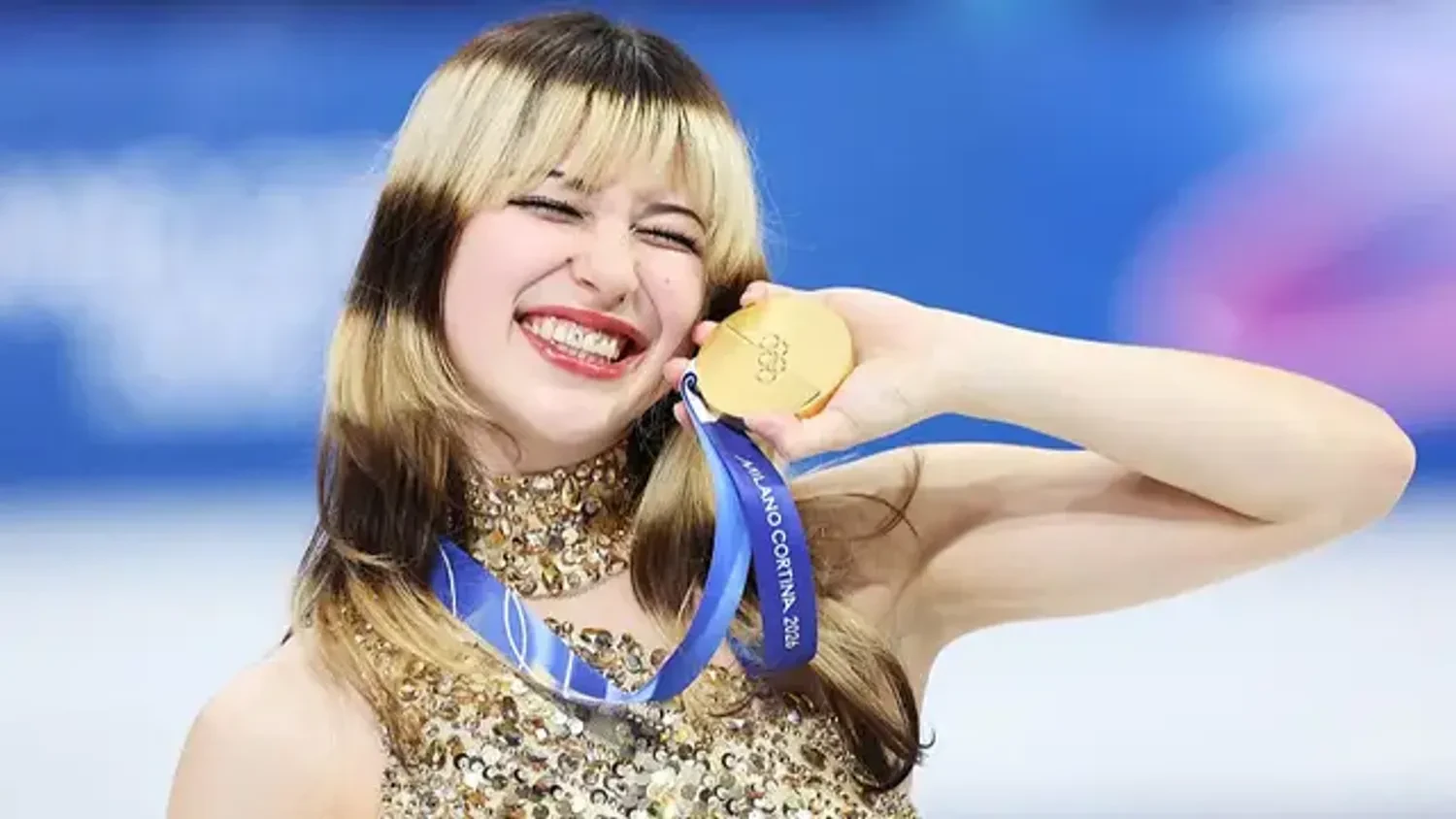
One of 20-year-old Alisa Liu's two gold medals was damaged during the celebrations and returned to the organizers. This is not just an inconvenience — the incident raises questions about the quality and safety of the medals at the 2026 Games.

By Tetiana Suchkova-Ladik
February 25, 2026 · 2 min read
While attention is on gold — let’s pay attention to the details
20-year-old American figure skater Alysa Liu brought home two Olympic golds from Cortina. But the celebration of her first victory ended with an unpleasant surprise: the medal accidentally detached from its ribbon and received significant scratches, so it had to be returned to the organizers, UNN reports citing Sportbible.
"It just fell off the ribbon and got seriously scratched."
— Alysa Liu, Olympic champion
Under Olympic rules, damaged awards cannot be kept by athletes, so the organizers took the damaged medal for replacement or a quality check.
"We pay attention to medal quality control because it is an important part of honoring the athletes."
— Andrea Franchizi, head of the Games’ operations staff
This is not an isolated case: it was previously reported that the ribbon breakaway mechanism at the 2026 Games, installed for athlete safety, sometimes led to damage to the awards. The technical safety device reduces the risk of injury during strong tugs, but at the same time raises questions about the quality and durability of the medals themselves.
The incident has a broader context. For an athlete an Olympic medal is not just metal but a symbol of years of work, often of family and national pride. Ukraine finished the 2026 Games with a record number of participants but without medals, achieving eight top-10 finishes — a reminder of how valuable each award is and its invulnerability for both the athlete and the nation (NOC, 23.02.26).
What to change: safety, quality, respect
From a systems perspective the problem reads simply: there is a technical solution for safety, but there is insufficient production quality control and testing for real celebration scenarios. Experts point to the need for stricter standards for medal testing and more transparent reporting by organizers about incidents.
For athletes and fans two things matter: first, that the award retain its symbolic value; second, that organizers acknowledge and fix technical flaws. In other words, the issue is not just technical — it is a question of respect for the athlete’s work and the reputation of the Games.
Now the ball is in the organizers’ court: will they change quality control standards and restore athletes’ trust? And for Ukraine — this is once again a signal to keep the focus on preparation, because every award can become an important marker of international recognition.