Second Russian challenge at AO‑2026: Svitolina to face Mirra Andreeva in the fourth round
Elina Svitolina is the only Ukrainian remaining at the Australian Open 2026. In the fourth round she faces Mirra Andreeva (neutral status). We break down why this match matters more than a single contest and what’s at stake for the Ukrainian tennis player.

By Tetiana Suchkova-Ladik
January 23, 2026 · 2 min read
Why it matters
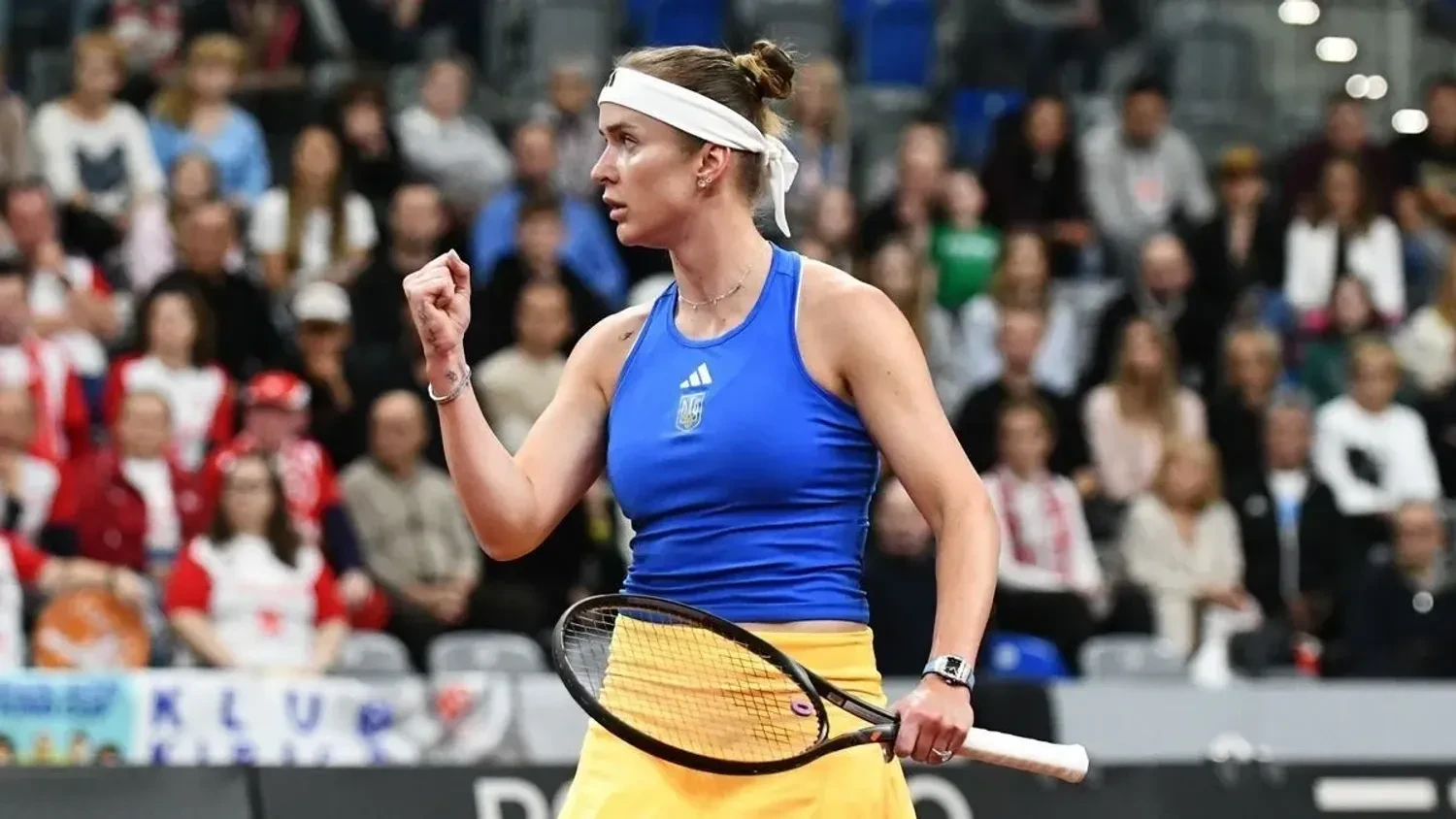
According to the tournament's official information, in the fourth round Ukraine's No. 1 Elina Svitolina will play Mirra Andreeva — a tennis player of Russian origin who is competing under a neutral status. This match combines sporting and symbolic dimensions: for Svitolina it is not only a step toward the quarterfinals but also a test of stability after recent tournaments.
"Elina Svitolina will meet Mirra Andreeva in the fourth round"
— official Australian Open website
How the path to this meeting unfolded
In the third round, Svitolina beat Diana Shnaider in straight sets, displaying composed and cool-headed play at key moments. Andreeva reached the round of 16 after a victory over the Romanian Elena-Gabriela Ruse.
The players have met before on the professional tour — their last encounter took place in Indian Wells, where Andreeva prevailed. Now Svitolina has a chance for revenge at a major tournament.
"Svitolina currently remains the only representative of Ukraine still competing in the tournament"
— UNN, citing official results
What's at stake — for Elina and for Ukraine
Sporting: a win moves her into the quarterfinals and brings important ranking points and confidence when facing strong opponents.
Psychological: a match against an opponent of Russian origin who competes under a neutral flag carries additional emotional charge — but it will be tactics and execution, not symbolism, that decide the outcome.
Socio-politically: the success of a Ukrainian athlete at a major tournament sends a signal of support and attention to our sport against a complicated international backdrop. For fans, it is a chance to see steadiness and professionalism in action.
What to expect
Svitolina will need a patient, tactically flexible game: maintaining concentration during key rallies and working on her service runs. Andreeva has already shown resilience at important stages — which predictably makes the match an even one where details will decide.
Now the ball is in Elina's court: whether she can turn this match into a step forward in the pursuit of the semifinals and beyond — we will see in the near future. For the country, each of her matches is more than a result on the scoresheet; it is a reminder that Ukrainian sport remains competitive on the big stage.