Crash involving Anthony Joshua on the Lagos–Ibadan highway: boxer hospitalized, two killed — investigation ongoing
The British boxer is in stable condition, but the tragedy on the high-speed road raises questions about road safety and accountability — we explain the main facts and consequences.

By Tetiana Suchkova-Ladik
December 30, 2025 · 1 min read
What happened
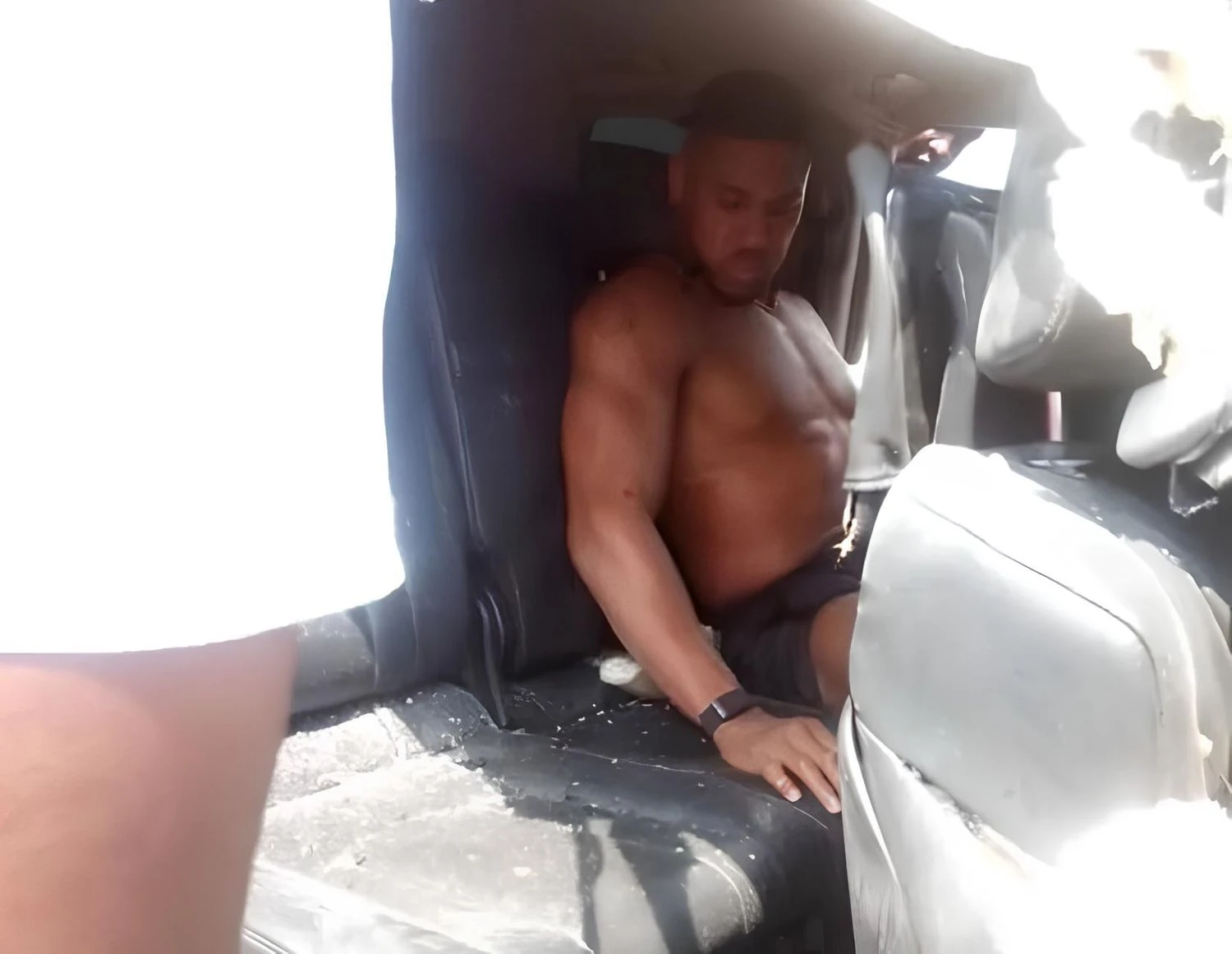
According to Sky News, British boxer Anthony Joshua is in a stable condition after a road traffic accident in Nigeria that left two people dead. The crash occurred on the Lagos–Ibadan expressway near Sagamu — about 30 miles from Lagos — around midday local time.
Police say Joshua's car collided with a stationary truck while overtaking at high speed. The bodies of the deceased were taken to the morgue in Sagamu, and the circumstances of the incident are currently under investigation.
"I extend my deepest condolences to the families of those affected in this tragic accident"
— Bola Ahmed Tinubu, President of Nigeria
"The circumstances of the crash are currently under investigation"
— Ogun State Police
Why it matters
This event is not only about a well‑known athlete. It highlights systemic risks on the roads, where speed, vehicles stopping in traffic lanes, and traffic control failures create fatal situations. According to local authorities, even on major African highways issues of infrastructure and adherence to traffic rules remain critically important.
For citizens and travelers this is a reminder: road safety concerns everyone — from heavy vehicle drivers to pedestrians and international visitors. For the media community — a reminder of the importance of verified sources: international newsrooms, including Sky News, were among the first to report the incident.
What next
The police investigation should clarify the vehicle's speed, the condition of the truck, and the reasons for it being parked in the lane. Possible legal consequences for those involved and additional safety measures on the highway may follow. For the public, this is an opportunity to demand transparency and stronger road controls to prevent similar tragedies.
Whether this incident will lead to systemic changes in the approach to safety on Nigeria's highways remains to be seen — the investigation will tell. For now, one clear fact: a well‑known athlete is in hospital, two people have died, and the responsible authorities must provide answers.