Disqualification of Heraskevych: IOC double standards and the path to CAS
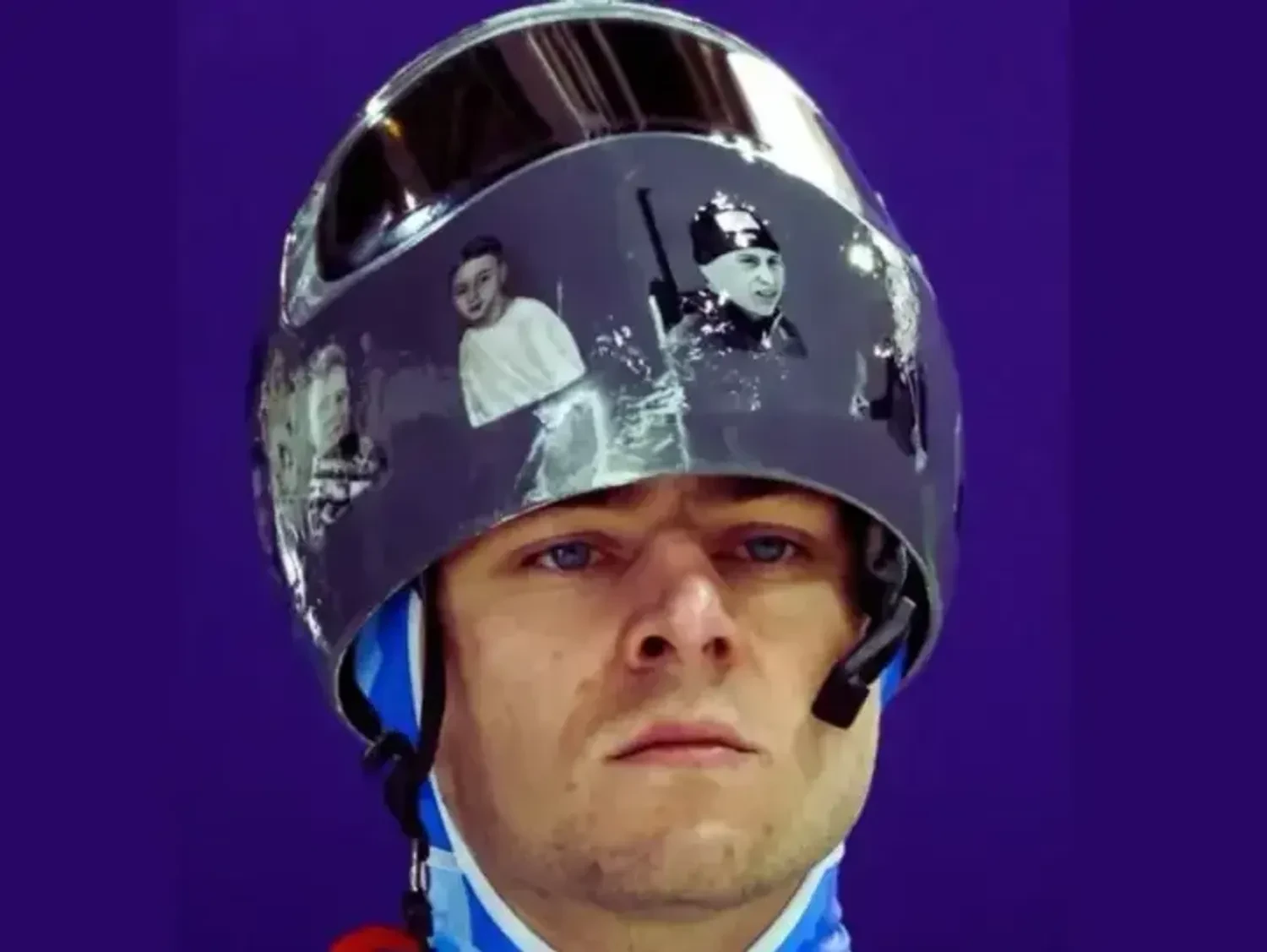
Ukrainian skeleton racer suspended over a "memorial helmet." This is not just about equipment — the case could set a precedent for honoring the dead and a test of the IOC's consistency in enforcing its rules. We examine why this matters right now.

By Tetiana Suchkova-Ladik
February 12, 2026 · 2 min read
Briefly
Before the start of the 2026 Olympics in Italy, Ukrainian skeleton racer Vladyslav Heraskevych was disqualified over his equipment — the so‑called “memorial helmet” he had planned to use to honor fallen Ukrainian athletes and heroes. The athlete’s reaction and the details of the decision are reported by UNN and Suspilne Sport.
What the athlete says
Heraskevych insists the helmet did not contain political calls and was purely symbolic. He considers the decision selective and said the team is considering an appeal to the Court of Arbitration for Sport (CAS).
“I still believe we did not break any rules and had every right to compete in that helmet, just like other athletes who did similar things in previous days at these Olympic Games.”
— Vladyslav Heraskevych, Ukrainian skeleton racer
According to the athlete, he was not given a clear explanation as to why other participants with similar messages were not sanctioned. The compromise offered by organizers — to show the helmet at the start but race in another one — Heraskevych called unfair.
“The tone was appropriate, there was no scandal... But I believe I should have the same rights as other athletes in other sports from other countries.”
— Vladyslav Heraskevych, Ukrainian skeleton racer
IOC position and formal grounds
The IOC, according to reports, appeals to rules that limit political expressions during the Olympic Games (Rule 50 of the Olympic Charter). At the same time, the application of those rules is itself disputed: whether the symbols on the helmet constituted a political message and whether the IOC is applying the same standards consistently to other athletes.
Reaction in Ukraine
Ukraine’s foreign minister Andriy Sybiha sharply condemned the IOC’s decision, calling it a “disgraceful moment” that undermines the principles of the Olympic Charter. For many Ukrainians, the story is seen not only as a sports dispute but as a matter of dignity and remembrance.
Why it matters
The story combines several levels: the personal (an athlete’s right to express remembrance), the institutional (consistency and legitimacy of IOC rules), and the geopolitical (lessons for the international community about equal treatment of victims of conflicts). Sports law lawyers and analysts note that a decision in one case could set a precedent for hundreds of similar situations at future Games.
What’s next
Heraskevych has already said he intends to appeal to CAS. That narrows the field for diplomatic explanations and turns the dispute into a legal matter: CAS can assess whether the regulations were applied correctly and set a standard for future cases. In turn, the IOC will be expected to provide transparent explanations and consistent practice.
“We paid the price for our dignity. I defended Ukraine’s interests and the memory of the athletes.”
— Vladyslav Heraskevych, Ukrainian skeleton racer
Conclusion. This is not just an isolated incident over a helmet — it is a test of the consistency of international sports rules and of how global institutions respond to symbols of loss in times of war. The ball is now in the legal mechanism’s court: whether an appeal to CAS can clarify the criteria and restore trust is a question whose answer matters not only for one athlete but for the entire sporting community.