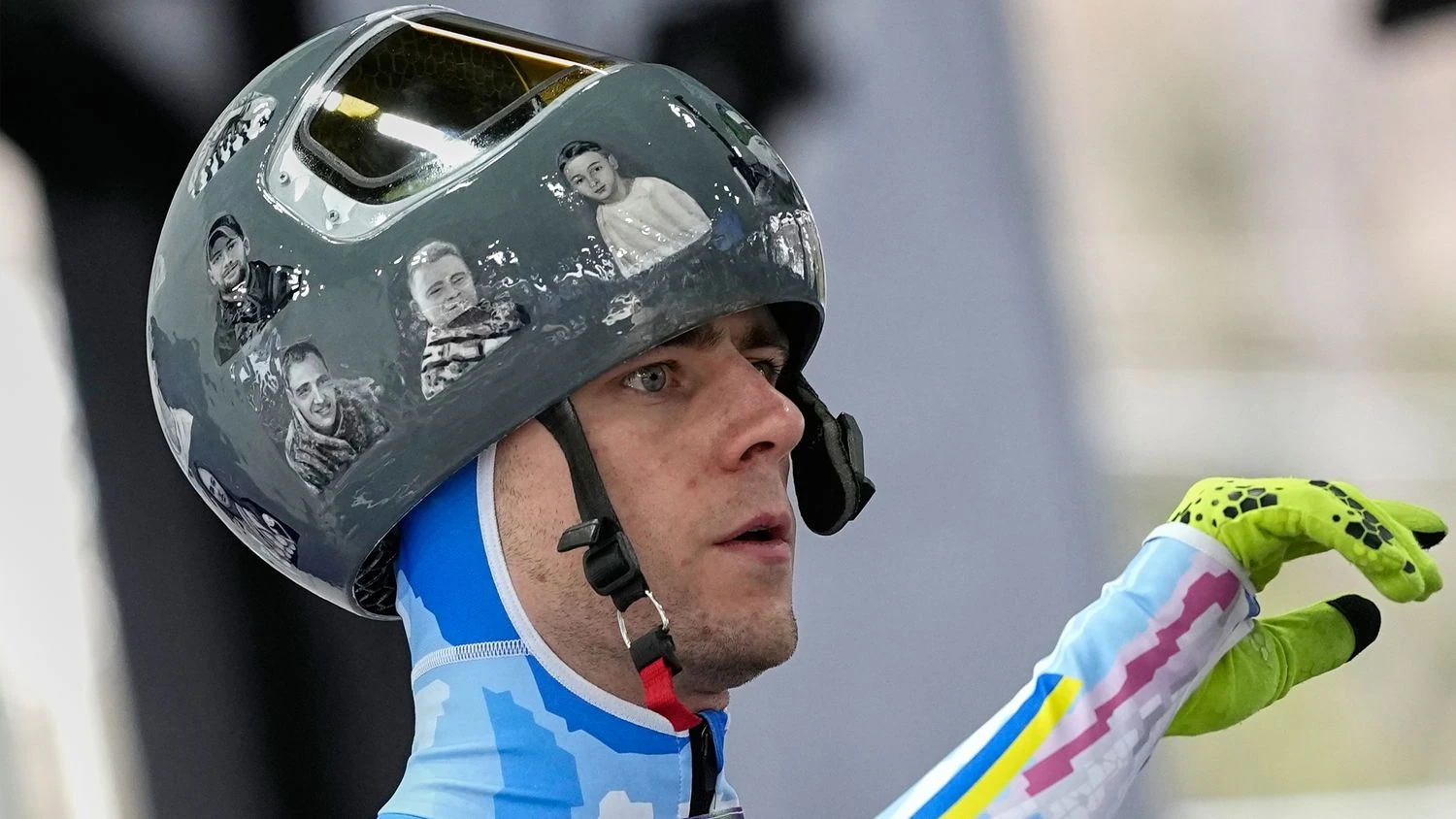
Disqualification of Heraskevych: 'Memory Helmet' Casts Doubt on IOC Standards
The IOC has stripped a Ukrainian skeleton racer of the right to compete over a symbolic helmet — this is not merely a sporting decision, but a test of the transparency of the rules and of Ukraine’s diplomatic response. We examine why the case matters and what could change.

By Tetiana Suchkova-Ladik
February 13, 2026 · 2 min read
What happened
Before the first skeleton run at the 2026 Winter Olympic Games the International Olympic Committee (IOC) disqualified Ukrainian athlete Vladyslav Heraskevych. The official reason — allegedly the memorial helmet's design did not comply with equipment rules. The incident was reported by UNN; a wave of support for Heraskevych surged in the comments under the IOC's posts on X, after which access to comments was restricted.
Public and official reaction
Users on X express solidarity with the athlete and criticize the committee for possible double standards in applying the rules. Part of the audience views the decision as a restriction on symbolic commemoration of fallen Ukrainian heroes.
"I will file an appeal to the Court of Arbitration for Sport (CAS)."
— Vladyslav Heraskevych, athlete
"A shameful moment and a betrayal of the Olympic code."
— Andrii Sybiha, Minister of Foreign Affairs of Ukraine (comment on the disqualification)
For context, state and cultural institutions responded with symbolic gestures: for example, Ukrposhta issued a stamp featuring the athlete's image, which served as an additional signal at the national level.
Why this matters — brief and to the point
First, the case tests the limits of the IOC's equipment rules: is the interpretation of bans on political or overtly symbolic imagery consistent? Second, it is a precedent for athletes from countries experiencing war: symbolic gestures of remembrance may acquire international-legal or reputational interpretations. Third, an appeal to the CAS means the case could move from an image conflict to a legal precedent.
What's next
Key points to watch: the CAS decision on Heraskevych's appeal; the IOC's official clarifications on the application of equipment rules; the reaction of international sports bodies and Ukraine's partners. If the appeal succeeds, it will strengthen athletes' position on symbolic expression during competitions; if not, pressure to review the rules and their transparency is expected to increase.
Summary: the "memorial helmet" incident goes beyond a single start: it is a call to international institutions for clear criteria and to Ukrainian society about the importance of legal and diplomatic support for our athletes.