FIDE Allows Russian and Belarusian Chess Players to Compete Under Their Flag and Anthem
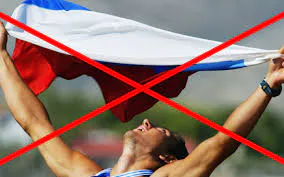
The FIDE General Assembly on December 14 adopted a decision to allow Russian and Belarusian chess players to participate in international tournaments with the possibility of using national symbols. Sixty-one delegates voted in favor, 51 against.

By Tetiana Suchkova-Ladik
December 15, 2025 · 1 min read
Decision of the FIDE General Assembly
The General Assembly of the International Chess Federation (FIDE) on December 14 approved a decision allowing chess players from Russia and Belarus to participate in competitions using their national flag and anthem. Consideration of the matter was initially postponed due to the need to obtain legal advice.
Sixty-one delegates voted in favor of adopting the decision, 51 abstained or voted against. FIDE President Arkady Dvorkovich confirmed that both decisions received the required majority and reflect the will of the Assembly.
The resolution comes into force and provides grounds to admit the national teams of Russia and Belarus to official tournaments; youth teams are permitted full use of national symbols in accordance with IOC recommendations
– FIDE
Use of national symbols
The FIDE Council considers the adopted resolution to be immediately effective and able to serve as a basis for further decisions. This interpretation opens the way for teams from Russia and Belarus to participate in official tournaments under their flags.
Full use of flags and anthems is permitted in youth and junior competitions in accordance with the International Olympic Committee's recommendations. Regarding adult team competitions, the Council plans to consult with the IOC before adopting a final position in order to align actions with international sporting standards.
Restrictions on holding official FIDE events in Belarus are being lifted taking into account the recommendations of the Olympic Summit, which emphasized the need to ensure access to sport and the political neutrality of event organization.
Ukraine's position and the IOC's role
The Ministry of Youth and Sports of Ukraine and the Chess Federation of Ukraine urged FIDE not to reinstate the activities of the national federations of Russia and Belarus and opposed the return of the national teams and the use of state symbols at international competitions.
Earlier the IOC recommended allowing junior players from Russia and Belarus to compete using their flag and anthem, and these recommendations influenced FIDE's position on youth tournaments.