FIFA to introduce mandatory 3‑minute hydration breaks at the 2026 World Cup
At the 2026 World Cup the referee will stop play in the 22nd minute of each half for a three‑minute hydration break. The rule will apply regardless of temperature, country or whether the stadium has a roof, and is intended to simplify match scheduling for broadcasters.

By Oleg Bazylewicz
December 8, 2025 · 1 min read
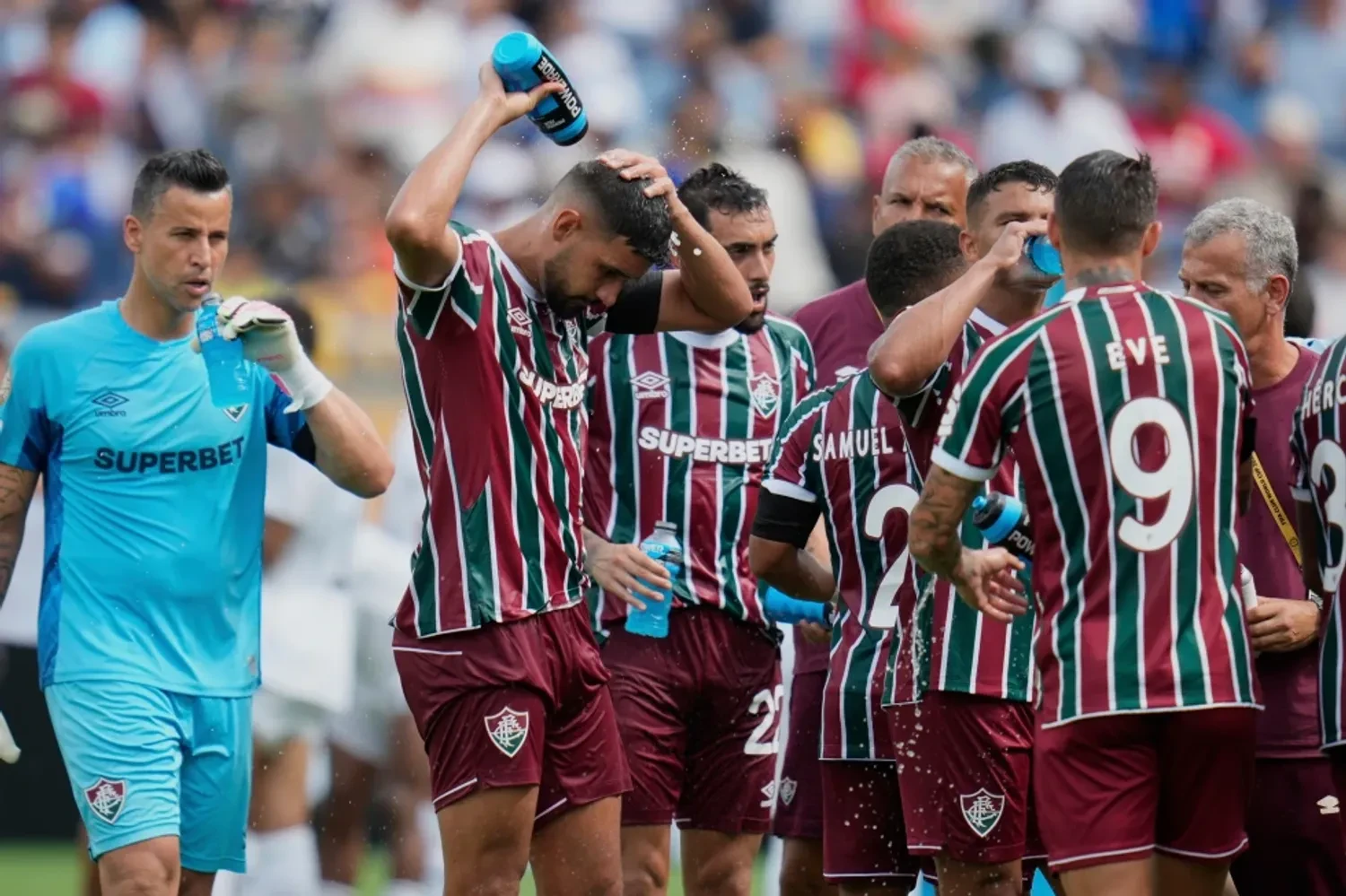
The international football governing body announced changes to the regulations for the 2026 World Cup: in each half of every match a mandatory extended hydration break will be implemented. The rule will take effect for all tournament games.
Announcement and reaction
The decision was announced by the tournament's chief organizer Manolo Subiría during a meeting with broadcaster representatives. According to him, this approach is intended to standardize the procedure during matches.
Mechanics of the breaks
The referee will stop play on the 22nd minute of each half for a three-minute drinking break. The mechanism will be applied regardless of weather conditions, the host country — the United States, Canada, or Mexico — and irrespective of whether the stadium has a roof or air conditioning.
At the same time, a small degree of flexibility is provided for referees: if the game is stopped shortly before the 22nd minute, for example due to an injury, the referee will be able to adjust the timing of the break.
"a simplified and orderly version"
– FIFA
FIFA explained that this wording is an alternative to the previous practice, when breaks were granted only after 30 minutes of play if a certain temperature threshold was exceeded. One of the aims of the change is to make match schedules more predictable for broadcasters.
The organization also published a list of matches where heat could be an issue, and identified venues with the most convenient logistics for teams and spectators.
If Ukraine qualifies for the tournament, its group opponents will be the Netherlands, Japan and Tunisia.