FIFA lowers minimum ticket price to $60 — response to global dissatisfaction and reputational risk
FIFA has announced $60 tickets for 2026 World Cup matches — good news for fans, but the number of seats is limited and allocation is in the hands of national federations. We examine why this happened and what it means for supporters, including Ukrainians.

By Oleg Bazylewicz
December 17, 2025 · 2 min read
Silence behind the headlines: what happened
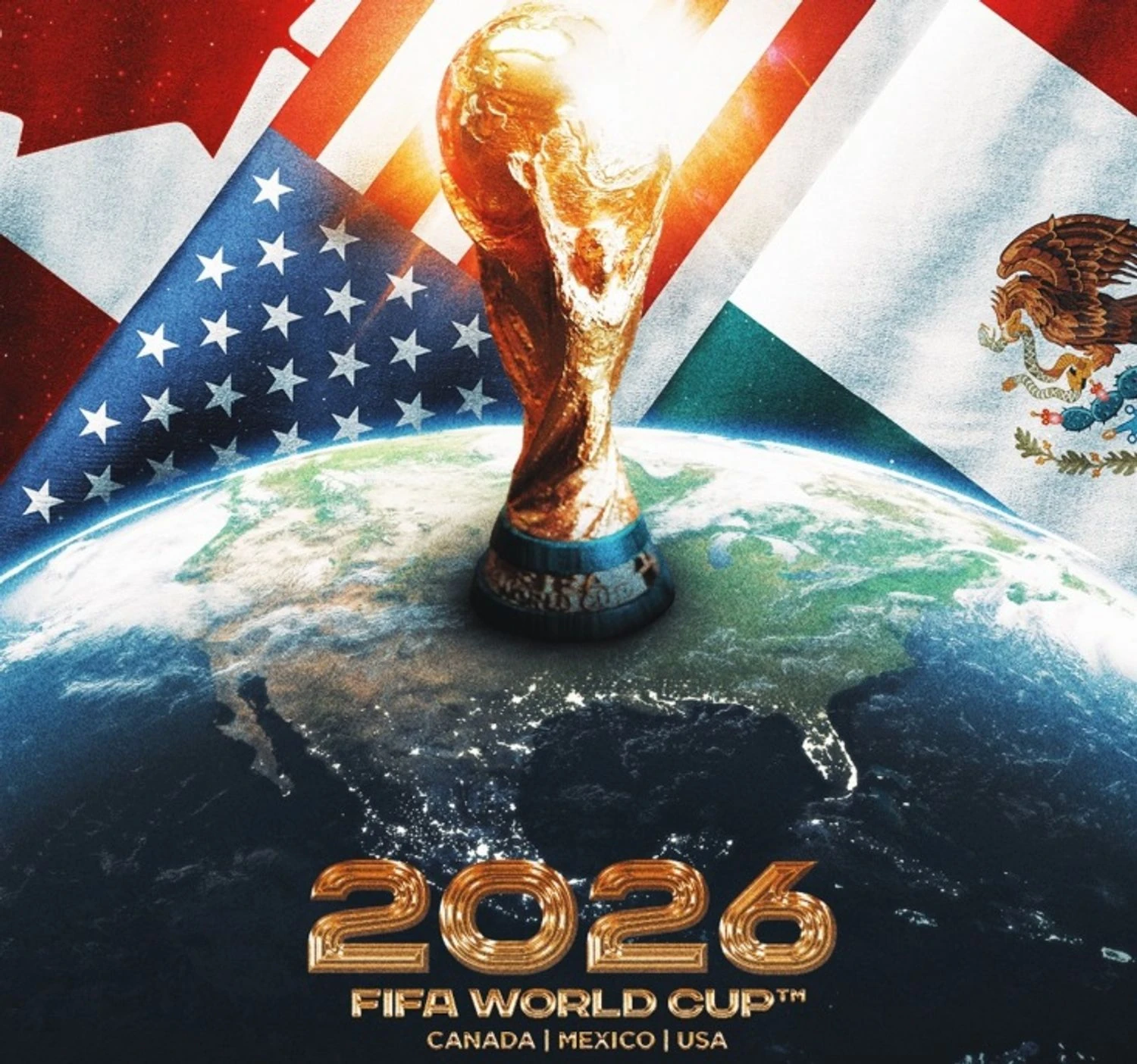
FIFA announced that a portion of tickets for the 2026 World Cup in North America will be available at a price of $60. The decision, according to the Associated Press, is a response to widespread fan dissatisfaction over dynamic pricing policies and additional fees on the resale platform.
Details and logistics
Tickets at $60 are likely to go to not hundreds of thousands, but “hundreds, not thousands” per match — that is how FIFA described it, cited in the AP report. They will be allocated to national federations, which will themselves determine how to distribute them among their supporters.
"Tickets priced at $60 will be available for every match of the tournament in North America, and they will be allocated to the national federations whose teams are playing. Those federations decide how to distribute them among devoted supporters..."
— FIFA, in a statement, quoted by the Associated Press
Why it happened: the logic behind the decision
First, it’s a response to reputational risk. Dynamic pricing and additional fees are common practice in the U.S. entertainment industry, but they have undermined the trust of the global football audience. Second, FIFA seeks to show that the tournament is open to different categories of supporters — from local fans to those who travel to follow their teams.
What it means for supporters (and for Ukraine)
A low starting price is a positive signal, but in practice availability will depend on how federations distribute their quotas. For Ukrainian supporters planning trips or backing the national team within the diaspora, this is an opportunity to reduce costs, but not a guarantee — the number of tickets is limited.
"Lower prices are intended to further support fans who travel and follow their national teams throughout the tournament."
— FIFA, as quoted by the Associated Press
Conclusion — what to watch next
FIFA’s decision is a step toward repairing its image, but its effectiveness will be measured not by the ticket price but by the transparency of allocation and whether these quotas actually reach real fans rather than resale schemes. Now the signal from FIFA must be confirmed by concrete procedures at the federation level — and that is something every conscientious fan should monitor.